

Let's be real: fibre isn't exactly the sexiest topic in wellness.
For the uninitiated, fibremaxxing, a term that went wildly viral on TikTok earlier last year, is exactly what it sounds like: intentionally increasing your fibre intake, often by adding seeds, legumes, fruit, vegetables and wholegrains to meals in an effort to support gut health, digestion and blood sugar regulation.
After all, the average UK adult consumes just 19g of fibre a day - significantly below the recommended 30g target. Consultant dietitian Sophie Medlin previously told Marie Claire that our increasingly ultra-processed diets may be partly to blame.
"Studies show that over 53% of the average UK adult's daily calories now come from UPFs," she explains. "This is problematic because these foods, which are typically very low in fibre, take up more space on our plates and tend to displace naturally fibre-rich foods like vegetables, legumes, whole grains, nuts, seeds and fresh fruit."
So, why all the fuss about fibre? Well, according to a 2019 study, adults consuming the highest amounts of dietary fibre had a 15 to 30% lower risk of cardiovascular disease, stroke, type 2 diabetes and colorectal cancer compared to those eating the least. Further research has also linked higher fibre intake to better longevity, reducing the risk of obesity and a lower risk of developing chronic diseases.
Even as a Health Writer, I'll admit that optimising our health can sometimes feel like a full-time job.
If we're not trying to hit several thousand steps a day, we're being encouraged to eat more protein, improve our sleep hygiene, cold plunge, habit stack and optimise our hormone health. Wellness has become an endless game of nutritional whack-a-mole, where the moment you feel you've mastered one healthy habit, another arrives demanding your attention.
As someone who doesn't suffer from bloating, digestive discomfort or any obvious symptoms of poor gut health, consciously focusing on increasing my fibre intake felt, if I'm honest, like one wellness task too many. But the more I read about the science behind fibre - and the growing body of research linking it not only to digestive health but everything from blood sugar regulation to heart health and satiety - the more curious I became.
So when a friend recommended Biomel Complete Gut Powder, I decided to put my supplement scepticism to one side and give it a go.
Keep reading for my honest review after taking the TikTok viral fibre supplement every day for four weeks. Whilst you're here, we've got plenty of guides packed full of balanced nutrition advice for you. Don't skip our guides to the benefits of mindful eating, intuitive eating or the infamous inflammation diet.
I road tested this viral fibre supplement for a month, but did it actually make a difference?
What is Biomel Complete Gut Powder?
Biomel Complete Gut is essentially designed to do several jobs at once, combining prebiotic fibres, live cultures, digestive enzymes and vitamins into a single daily scoop.
The formula contains a blend of fibres including chicory root fibre, apple fibre and beta-glucan, alongside 25 billion live cultures across 13 different bacterial strains, plus added vitamins B6, B12, D and calcium. In practical terms, one serving delivers around 4.7g of fibre - not enough to replace your fruit and vegetables, of course, but enough to make a meaningful dent in the UK's notoriously low fibre intake.
The supplement comes in multiple flavours and can be enjoyed in several ways, including:
- Shaken with cold water for a quick post-workout drink.
- Mixed with coconut milk or your milk of choice for a creamier, more indulgent shake.
- Blended with banana and yoghurt for a fibre-rich breakfast smoothie.
- Added to overnight oats.
@allofellie ♬ som original - jô
Who is Biomel Complete Gut Powder good for?
If you're struggling to hit your fibre target, you're first in line to potentially benefit from a supplement like this. It'll come in particularly useful if your diet relies heavily on convenience foods or if you're frequently eating on the go.
That said, gut health nutritionist Adrienne Benjamin warns against approaching fibre like an Olympic sport. "Fibre is absolutely vital for gut health; it feeds beneficial bacteria, supports regular bowel movements, and helps maintain a healthy gut lining," she explains.
"But the TikTok version of fibremaxxing, where people load up their bowls with 10-plus different ingredients or leap from 10 grams to 40 grams of fibre overnight, can actually backfire."
She adds: "A better approach is to introduce fibre gradually and consistently, allowing your digestive system to build tolerance."
What does the science say on fibre intake? Do you really need a supplement powder?
Probably not, at least not as a replacement for Whole Foods. Whole foods should always be the gold standard where possible, as they provide a broader range of nutrients alongside fibre.
"A high-fibre diet is associated with a lower risk of cardiovascular disease, type 2 diabetes, strokes and certain cancers," says Medlin. "It also plays a role in stabilising blood sugar levels and promotes satiety, supporting healthy weight management."
Supplements can't replace vegetables, fruit, legumes and wholegrains, but if you're someone who struggles to hit 30g daily - and statistically, most of us do - they may help fill the gap in a practical way.
A post shared by Jem | food&fitness💜 (@jemmb__)
A photo posted by on
I road tested Biomel every day for four weeks - here's my honest review
Weeks one to two:
I should probably start by saying that I don't suffer from significant digestive issues. I rarely experience bloating; my stomach is generally fairly settled, and I know I'm fortunate in that respect, so I wasn't expecting any significant changes when I tried this.
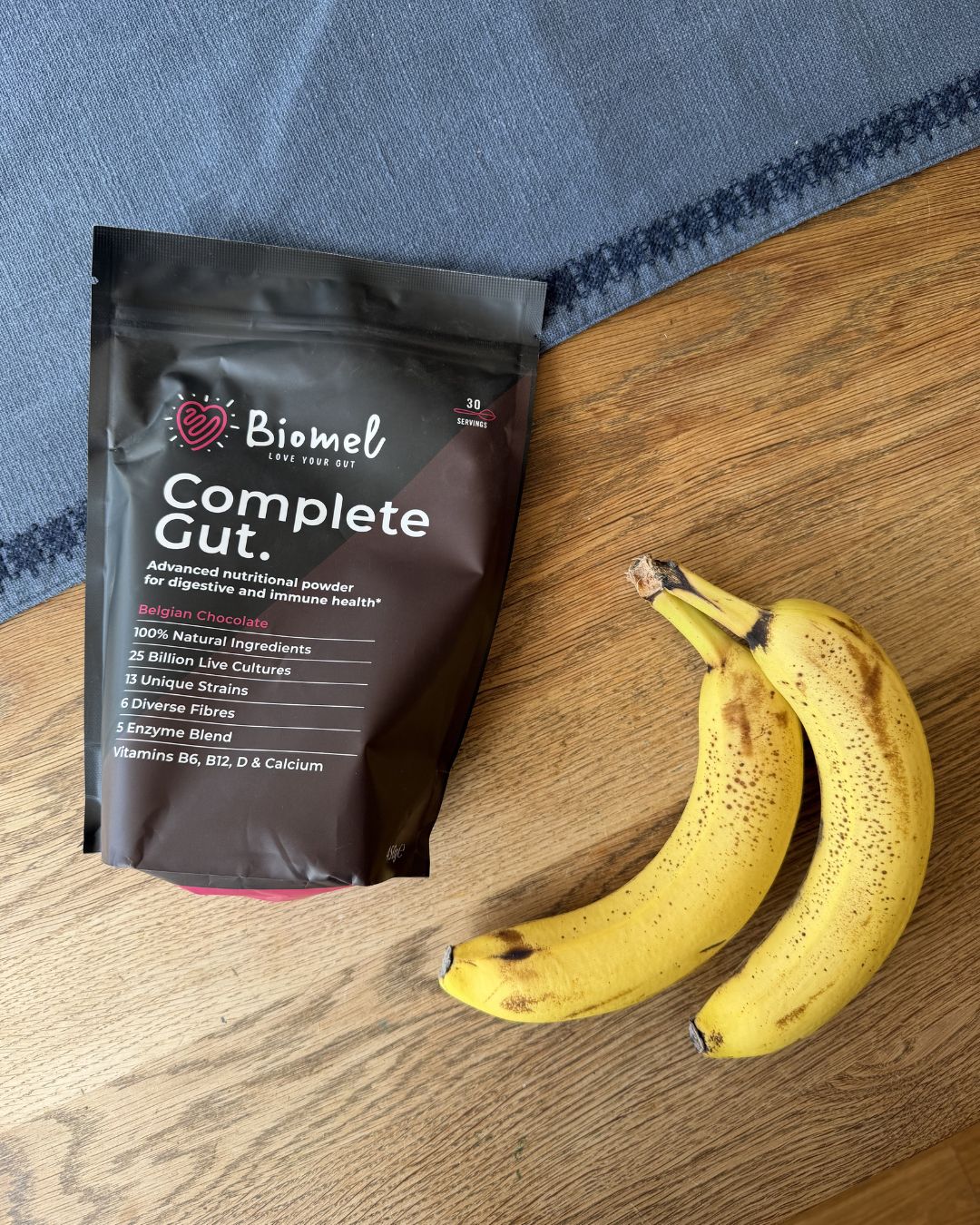
What I noticed immediately, however, was the taste. The Belgian chocolate flavour is genuinely delicious, and part of my reasoning for avoiding supplements is a serious dislike for anything artificial in flavour, so that was a really pleasant surprise.
Depending on the day, I mixed it with water, coconut milk or blended it with banana and yoghurt if I was having it pre-workout or alongside breakfast. It tasted somewhere between a chocolate milkshake and a protein smoothie, which made it surprisingly easy to stick to.
The first couple of weeks passed without any dramatic revelations. There was no overnight digestive transformation or sudden feeling that I'd unlocked the secret to optimal health, but I did find myself genuinely looking forward to my daily chocolate shake.
Weeks three to four:
This was where things became more interesting. Firstly, my digestion became remarkably predictable, which was unexpected given my often chaotic freelance schedule that can see me eating lunch at wildly different times each day.
While regular bowel movements alone don't necessarily prove perfect gut health, improved stool frequency is one of the most well-established signs that dietary fibre is doing exactly what it's supposed to do. Fibre, particularly chicory root fibre, has consistently been shown to support normal bowel function and increase stool frequency.
Secondly - and this surprised me the most - my skin improved. I'm prone to hormonal breakouts and clusters around my chin and jawline, but towards the end of the month, my skin looked noticeably calmer and less reactive.
Can I say with certainty that a fibre supplement cured my acne? Absolutely not. However, there is growing interest in the so-called gut-skin axis, with researchers increasingly exploring how gut bacteria may influence inflammation and skin conditions, including acne. Some studies suggest that diets higher in plant fibre may support healthier gut bacteria and potentially improve acne severity through reductions in inflammation and better blood sugar regulation.
The final thing I noticed was a change in my appetite. My usual mid-afternoon cravings - typically characterised by an almost urgent desire for something sweet around 3 pm - seemed to completely disappear, which is by far the most surprising thing about this trial.
Whether that was down to fibre's well-documented ability to slow digestion and promote satiety, or simply the placebo effect, is impossible to say with certainty. What I can say is that I felt fuller for longer and far less preoccupied by the afternoon energy dip that would usually send me rummaging through the kitchen cupboards.

Would I continue taking it?
Surprisingly, yes. Not because I believe it transformed my gut health overnight, or because I think supplements can ever replace a diet rich in fruit, vegetables and wholegrains, but because it made increasing my fibre intake feel easy, enjoyable and - perhaps most importantly - sustainable.
Keen to up your fibre intake? Shop MC-approved essentials below
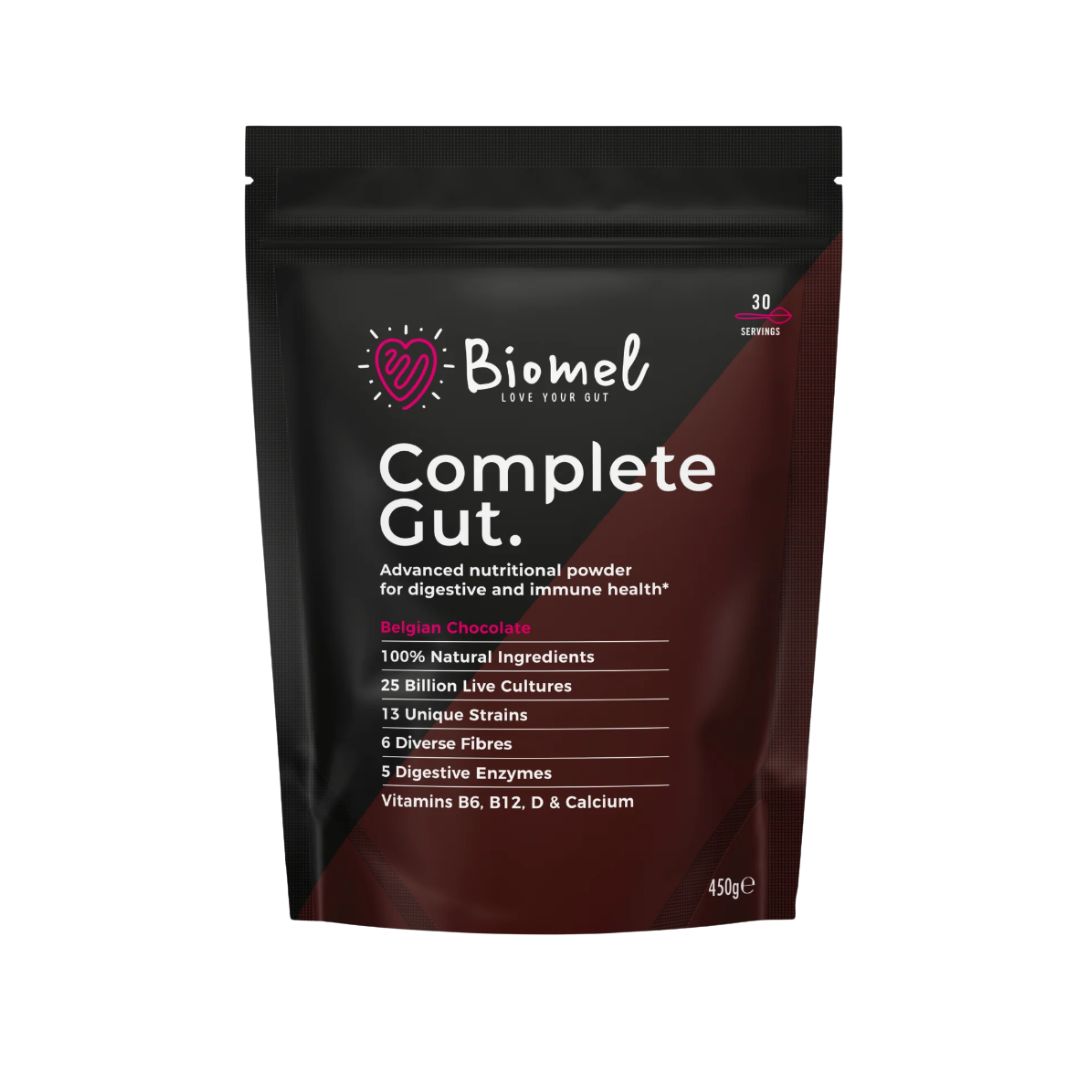
In all its fibre glory, this was the product that genuinely changed my mind on supplements. Unlike many gut health powders, it tastes indulgent enough to feel like a treat, while delivering a meaningful fibre boost alongside prebiotics and live cultures. If you're struggling to hit 30g of fibre a day, it's one of the easiest habits I've found to stick to.
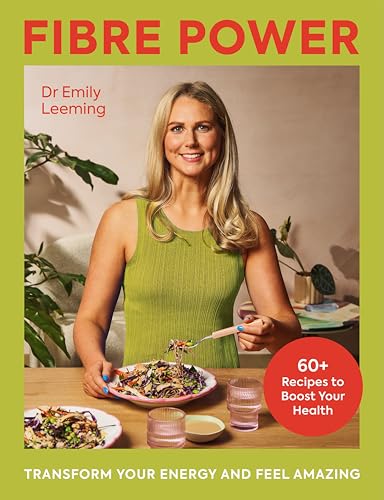
The much-anticipated second book from leading fibre researcher, registered dietitian and chef Dr Emily Leeming, Fibre Power, contains 60 simple, flavourful high-fibre recipes containing many of the ingredients in this very list. A new bible for anyone looking to up their fibre this year.
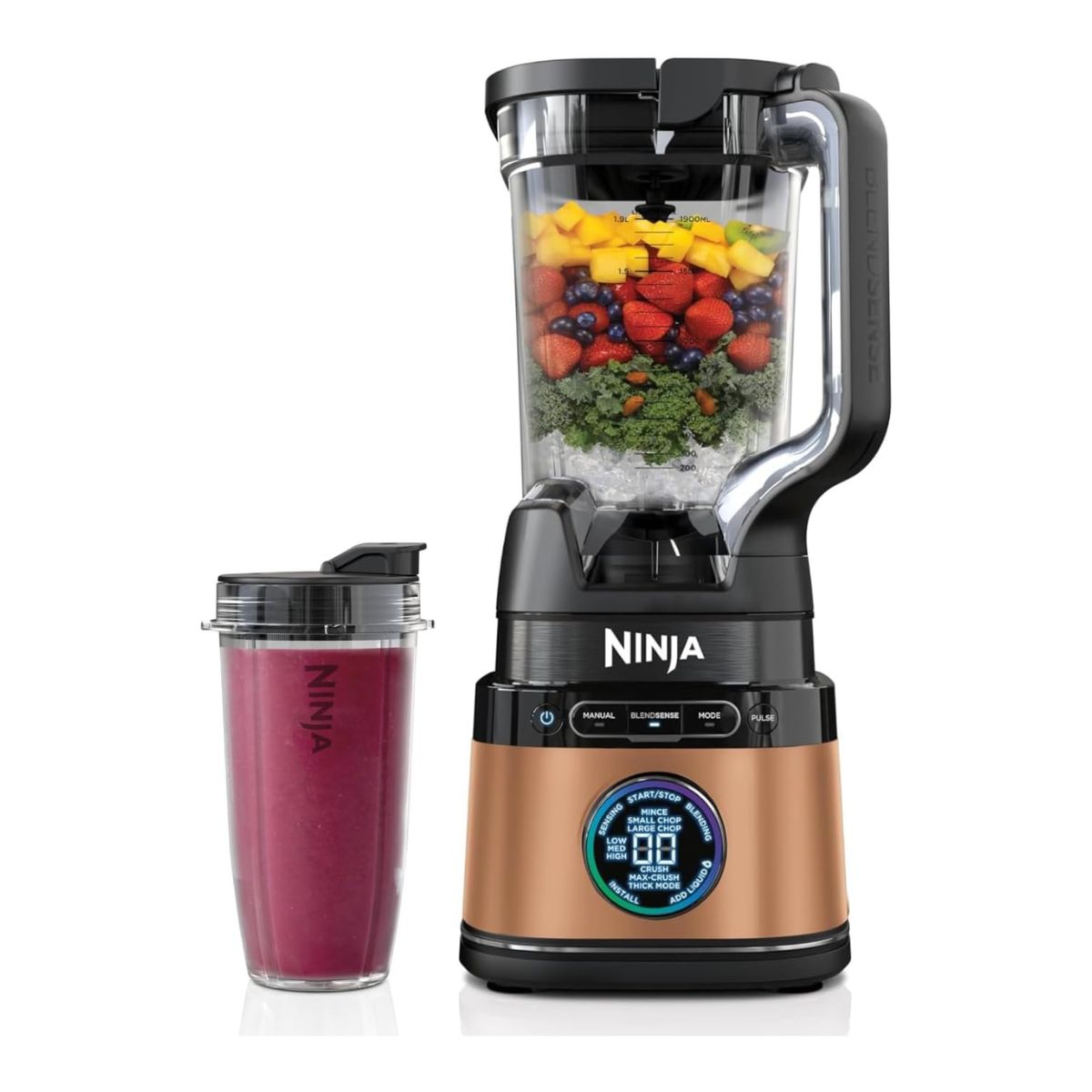
A good blender makes hitting your fibre target significantly easier, whether you're adding berries, oats, nut butter or an extra serving of greens to smoothies, pancake batter or acai bowls.
What are the benefits of a diet rich in fibre?
A fibre-rich diet does far more than simply support digestion. Research has consistently linked higher fibre intake to a reduced risk of cardiovascular disease, type 2 diabetes, stroke and certain cancers, while also helping to stabilise blood sugar levels and support healthy cholesterol levels.
According to gut health nutritionist Adrienne Benjamin, fibre is also essential for maintaining a healthy gut microbiome. "Fibre is absolutely vital for gut health; it feeds beneficial bacteria, supports regular bowel movements, and helps maintain a healthy gut lining," she explains.
Fibre also plays an important role in promoting satiety - our sense of fullness - which can help reduce cravings and support healthy weight management over time.
In short, while fibre may not be the most glamorous nutrient in the wellness world, it is arguably one of the most important.