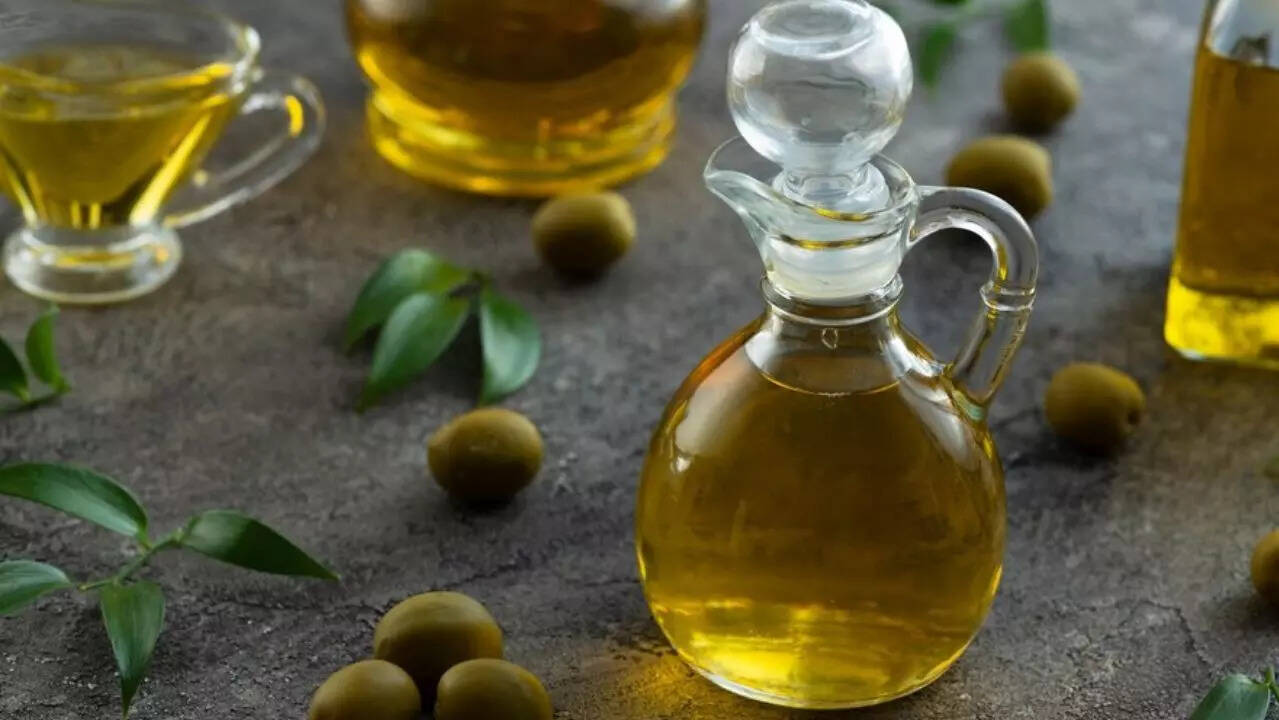
The benefits of extra virgin olive oil (EVOO) and other vegan diets have been hailed by many studies and intake of such foods is often linked with reduction in cholesterol levels and its positive effect on heart health.
Switching to a plant-based diet rich in nuts, fruits, and vegetables is widely recognised as a heart-healthy choice. However, recent research points out that for people already at high risk of cardiovascular disease, the commonly praised addition of extra virgin olive oil (EVOO) may not always be beneficial.
A study by researchers from the University of Florida and the National Institute of Diabetes and Digestive and Kidney Diseases has found that while both high and low EVOO diets can improve cardiometabolic health, the timing and quantity of olive oil intake could significantly impact cholesterol levels, and therefore heart disease risk.
In a study published in the Journal of the American Heart Association, researchers examined 40 individuals aged 18-79 over an eight weeks. They followed a meticulously designed vegan diet wherein they spent four weeks on a diet that included four extra teaspoons of EVOO daily, while another four weeks on a low-EVOO version with no additional olive oil, separated by a one-week break.
How the cholesterol levels changed over months

The addition of extra virgin olive oil brought improvement in cardiometabolic profiles irrespective of the quantity. Both the low and high EVOO diets had a positive impact on cholesterol, blood sugar and inflammation. However, bad cholesterol levels or LDL (low-density lipoprotein) levels dropped when participants went from liberal amounts of olive oil to little or no olive oil. On the other hand, adding EVOO after weeks of low or no oil appeared to slow down the reduction of LDL levels.
"Decreased intake of extra virgin olive oil may yield increased lipid lowering than relatively greater consumption," write the researchers in their published paper.
All the participants suffered from borderline to high risk for atherosclerotic cardiovascular disease (ASCVD), a condition that occurs due to excess LDL cholesterol deposition in the arteries.
The researchers noted that "although both diets improved the metabolic phenotype, a low EVOO intervention may provide superior LDL‐C lowering in individuals at highest risk."



.png?w=600)