
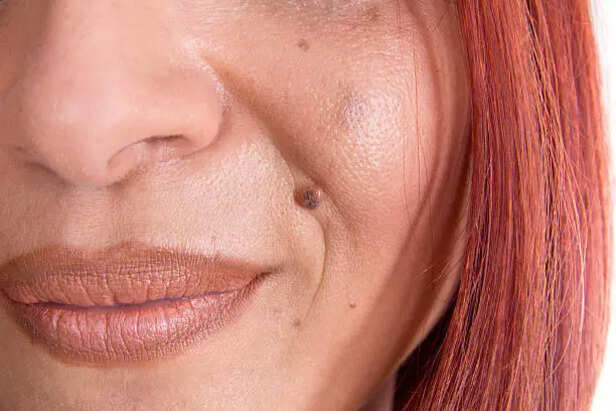
Most people have observed some tiny little spots on their skin. Many people find them botherless as it does not have any itchiness or pain in it. So it always gets ignored. But these kinds of sudden skin tags or spots can be a signal for you. Skin tags are now very common. They usually appear on the neck, under the arms, on the eyelids, under the breasts, basically the areas are rubbed against each other. For some people these are just small cosmetic issues which they ignore them mostly and if that bothers you that much then the dermatologist can remove it quickly. But over time, doctors have started noticing a pattern. People who have several skin tags often have something else going on in their bodies, especially related to blood sugar levels and metabolism. And that’s when it becomes more than just a skin concern.
The Insulin Connection No One Talks About

Our body uses sugar from the food which we consume to create energy. A hormone called insulin helps move that sugar from the blood into our cells. Sometimes the body does not respond to what has to be done. This condition is known as insulin resistance. Insulin resistance doesn’t usually cause pain or obvious symptoms in the beginning. It develops slowly and quietly which we don't even realise that in our body. Health experts, including those at the American Diabetes Association, have explained that certain skin changes may reflect problems with blood sugar control. When insulin levels stay high for a long time, it may trigger extra skin growth. The situation is not to panic but to deal with it with care and immediately.
Having one or two skin tags doesn’t mean you have diabetes. Many people are having this right now which is not to worry about.
If you notice:
- A sudden increase in number
- Tags appearing mainly around the neck and underarms
- Dark, velvety patches of skin (often called acanthosis nigricans)
- Unexplained fatigue or weight gain
It may be worth checking your blood sugar.
It’s Also About Lifestyle
Skin tags are mostly common in those people who have extra weight, have a family history of type 2 diabetes or people having high cholesterol and blood sugar. In simple terms skin tag can be seen on those people who are dealing with metabolism syndrome. This can also increase the risk of heart disease. Instead of seeing these scary things, you should treat them like a signal from your body.
Listening to Your Body Matters

You don’t need to panic if you notice a small skin tag. In most cases, it’s harmless. But if many appear suddenly, or you’re also feeling very thirsty, using the bathroom more often, or haven’t checked your blood sugar in years, it is a correct option to see a doctor. A simple blood test can clear your doubts. Our bodies rarely break down overnight; they give small hints first. A skin tag might mean nothing, or it might be a gentle reminder to take better care of yourself. Pay attention, not with fear, but with awareness. Sometimes small signs matter most.
Explore the latest trends and tips in Health & Fitness, Spiritual, Travel, Life Hacks, Trending, Fashion & Beauty, and Relationships at Times Life!
Frequently Asked Questions (FAQs)
-
What deficiency creates skin tags?
Insulin resistance
-
Is there an autoimmune disease that causes itchy skin?
Psoriasis is one of the most well-known autoimmune skin disorders.
-
What internal diseases cause itchy skin?
Liver disease, kidney disease, anemia, diabetes, thyroid problems and certain cancers.