
1. Onions and Garlic
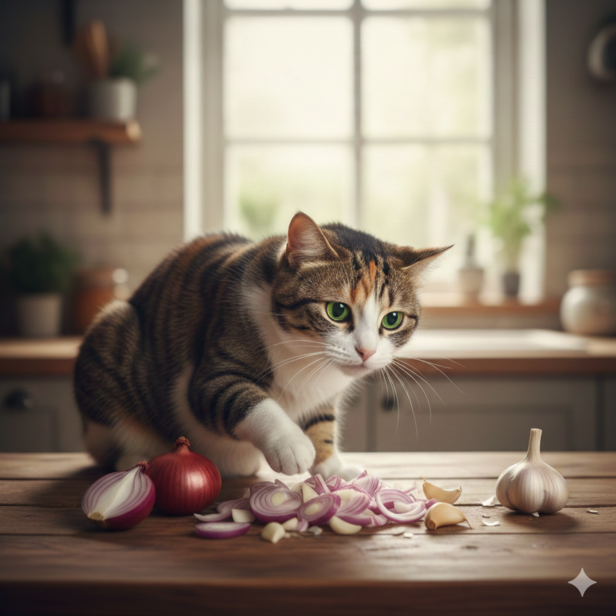
Onions, garlic, chives, leeks, and other members of the allium family are extremely toxic to cats. Even very small amounts whether raw cooked dried or powdered can damage your cat’s red blood cells and potentially lead to a dangerous condition called anemia. The scary part? Toxicity can build up over time so repeated small exposures are just as risky as one large serving.
Many pet parents don’t realize that onion or garlic powder hidden in everyday foods like soups curries gravies sauces baby food or even flavored snacks can also be harmful. Cats don’t need to directly eat a piece of onion to get sick indirect exposure through seasoned food is enough to cause trouble.
Symptoms to watch for include:
Weakness or lethargy
Vomiting
Pale or white gums
Loss of appetite
Rapid breathing
Dark colored urine
If you notice any of these signs and suspect your cat may have consumed allium based foods, contact a veterinarian immediately. Early treatment can prevent serious complications and keep your feline friend safe.
2.Chocolate

Chocolate contains theobromine and caffeine, two stimulants that are highly toxic to cats. Unlike humans, cats cannot efficiently metabolize these compounds, which means they stay in the body much longer and can quickly reach dangerous levels. Dark chocolate and baking chocolate are especially risky because they contain significantly higher concentrations of theobromine compared to milk chocolate.
Even small amounts can trigger serious health issues, particularly in smaller cats. The severity of symptoms often depends on the type and quantity of chocolate consumed.
Possible effects include:
Rapid or labored breathing
Increased heart rate
Restlessness or hyperactivity
Muscle tremors
Vomiting or diarrhea
Seizures
In severe cases, chocolate poisoning can lead to heart rhythm abnormalities, collapse, or even be life threatening. Because symptoms can appear within a few hours of ingestion, it’s crucial to seek veterinary care immediately if you suspect your cat has eaten chocolate. To stay on the safe side, always keep chocolates, coco powder, baked goods, and desserts well out of your cat’s reach especially during festivals and celebrations when sweets are commonly left unattended.
3.Milk and Dairy Products
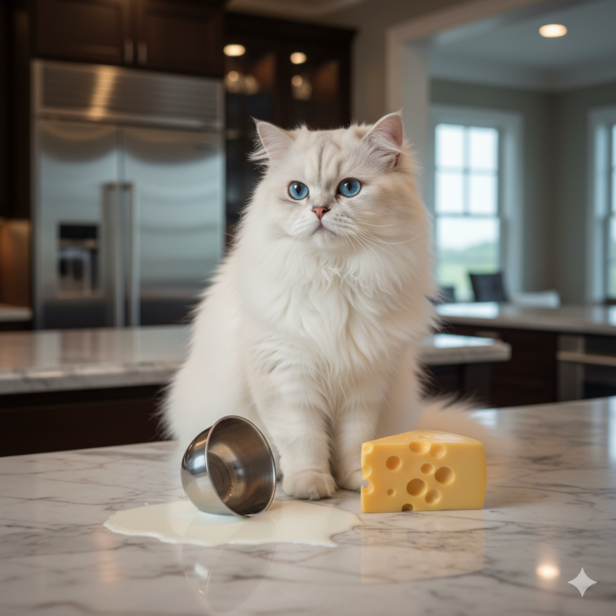
Despite the popular image of cats happily lapping up a bowl of milk, the reality is quite different. Most adult cats are lactose intolerant because, as they grow, their bodies produce less of the enzyme lactase which is needed to properly digest lactose . Without enough lactase, milk and other dairy products can upset your cat’s digestive system.
Feeding regular milk, cream, cheese, or other dairy items may lead to uncomfortable symptoms such as:
Diarrhea
Gas
Bloating
Stomach pain
Vomiting
While a tiny sip may not always cause severe harm, repeated exposure can lead to ongoing digestive issues and discomfort. Kittens can digest their mother’s milk, but that doesn’t mean cow’s milk is suitable for them, especially after weaning.
If you want to treat your cat, opt for specially formulated cat safe milk or veterinarian approved treats designed specifically for feline digestion. These products are made to be gentle on your cat’s stomach while still satisfying their cravings. When in doubt, always choose treats made for cats not human foods.
Why It’s Important to Be Careful
Cats have sensitive digestive systems and metabolize food differently from humans. What seems harmless to you can be dangerous for them. Always consult a veterinarian before introducing any new food into your pet’s diet.
Conclusion
What you feed your cat on a daily basis determines their health. Common foods like milk, chocolate, garlic, and onions may not seem harmful, but they can seriously harm a cat's health. Don't give these things, even in tiny doses.
Use only premium cat food and treats that have been approved by your veterinarian and are specifically designed to meet your feline friend's nutritional needs in order to keep them safe. It's always best to avoid a certain food or consult your veterinarian if you have any doubts about it. Your cat can live a long, healthy life and avoid a major emergency with a little knowledge and careful feeding.