
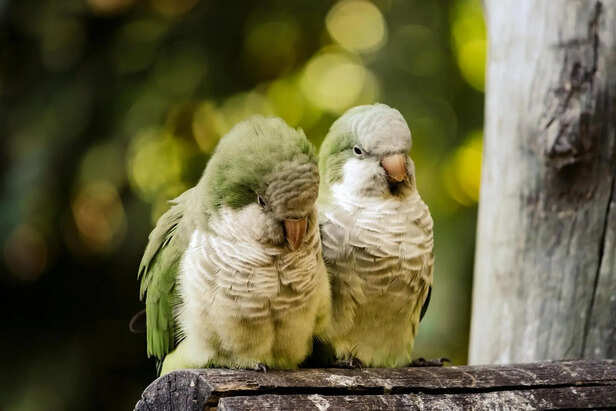
Understanding Fatty Liver Disease in Quaker Parrots
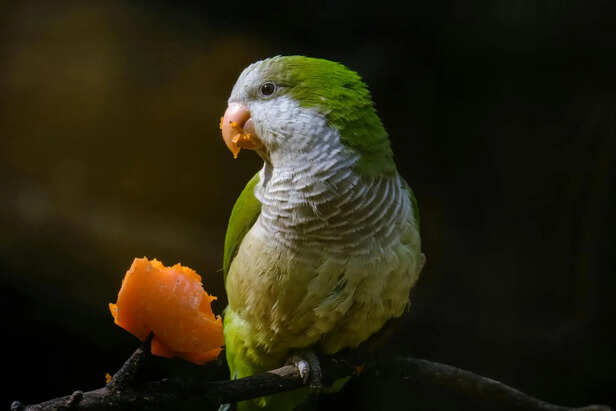
Fatty liver disease (hepatic lipidosis) occurs when excess fat accumulates in the liver, impairing its function. In Quaker parrots, this condition is commonly linked to diets high in seeds and fats, combined with low physical activity. The liver plays a vital role in detoxification, digestion, and nutrient storage. When overloaded with fat, it can no longer function efficiently, leading to serious health complications.
Causes of Fatty Liver Disease
The primary causes are often preventable and related to diet and lifestyle:
- High-fat seed diets (especially sunflower seeds)
- Overfeeding and lack of portion control
- Low intake of fresh fruits and vegetables
- Vitamin deficiencies, especially Vitamin A
Sedentary lifestyle with minimal exercise
Signs and Symptoms to Watch For
Early detection can save your bird’s life. Common symptoms include:
- Lethargy and reduced activity
- Overgrown beak or nails
- Obesity or visible weight gain
- Feather discoloration or poor feather quality
- Swollen abdomen
- Difficulty breathing in severe cases
If these signs appear, consulting an avian veterinarian is essential.
Dietary Strategies to Prevent Fatty Liver Disease
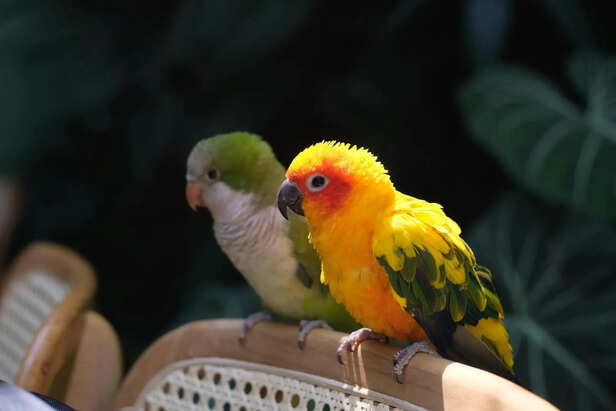
1. Shift from Seeds to Pellets
Seeds should not be the main diet. Replace them with high-quality formulated pellets, which provide balanced nutrition and controlled fat levels.
2. Increase Fresh Vegetables
Vegetables should form a large part of the daily diet. Ideal choices include:
- Leafy greens (spinach, kale)
- Carrots (rich in Vitamin A)
- Broccoli and bell peppers
3. Offer Fruits in Moderation
Fruits like apples, berries, and papaya are beneficial but should be limited due to natural sugars.
4. Limit High-Fat Foods
Avoid or strictly control:
- Sunflower seeds
- Nuts (only occasional treats)
- Processed or human junk foods
5. Provide Adequate Protein
Include healthy protein sources such as:
- Cooked legumes (lentils, chickpeas)
- Sprouted seed
- Small amounts of boiled egg (occasionally)
6. Ensure Proper Hydration
Clean, fresh water should always be available. Hydration supports liver function and overall metabolism.
Importance of Exercise Along with Diet
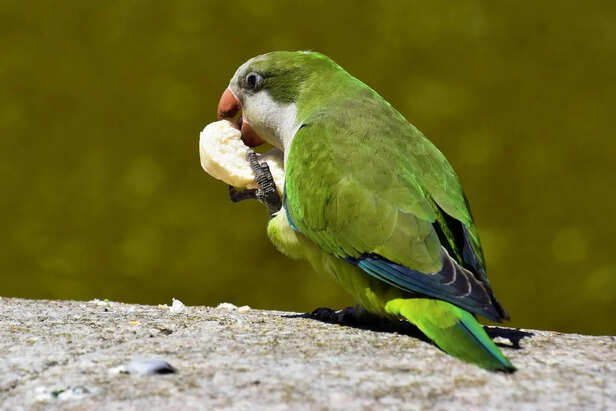
Diet alone is not enough. Encourage your Quaker parrot to stay active:
- Provide toys and climbing structures
- Allow supervised out-of-cage time
- Encourage flying or movement daily\
- Exercise helps burn excess fat and supports liver health.
Prevention Tips for Long-Term Health
- Vitamin A supplements
- Milk thistle (for liver support, only under guidance)
- Probiotics for digestive health
- Never give supplements without professional advice.
- Maintain a balanced diet (pellets + fresh foods)
- Monitor weight regularly
- Avoid overfeeding treats
Celebrate the bond with your pets, explore
Health & Nutrition, discover
Breeds, master
Training Tips,
Behavior Decoder, and set out on exciting
Travel Tailswith
Times Pets!Frequently asked questions (FAQs)
-
What is the main cause of fatty liver disease in Quaker parrots?
The primary cause is a high-fat diet, especially one dominated by seeds like sunflower seeds. These foods are rich in fats but lack essential nutrients, leading to fat accumulation in the liver over time.
-
What should a healthy daily diet for a Quaker parrot include?
A healthy diet should consist of around 60–70% high-quality pellets, 20–30% fresh vegetables (especially leafy greens), and a small portion of fruits. Occasional protein sources like legumes can also be included.
-
Can fatty liver disease be cured in birds?
If detected early, fatty liver disease can often be managed or even reversed through dietary changes, increased exercise, and veterinary care. However, advanced stages can be life-threatening.