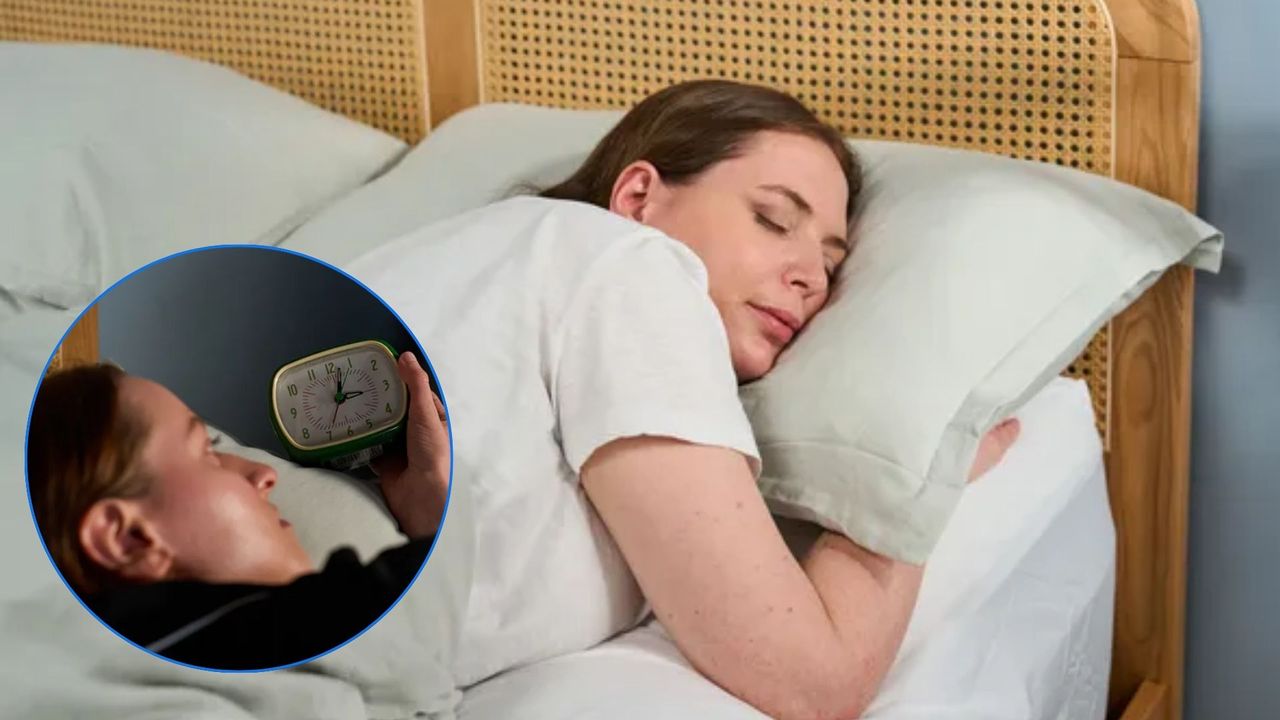
Most of us know what we need to do in order to get a good night’s sleep. But I’ve found that when life gets busy, my routine gets thrown out of whack and middle insomnia makes an unwelcome return.
Waking up at 3 a.m. is miserable and I’ll never stop searching for ways to sleep peacefully throughout the night, every night. To help get my sleep back on track and fix my middle of the night awakenings, I’ve given the 3-2-1 sleep rule a go — and it’s already reduced my middle insomnia.
Sticking to a simple wind down strategy like the 3-2-1 method has helped me get back to the basics of healthy sleep hygiene and effectively reducing my 3 a.m. wake-ups. Below, I’ll dig into what this method is and how it helps with middle insomnia, plus share expert advice from leading sleep doctors on how to banish 3 a.m. wake-ups.
Key takeaways: At a glance
- The 3-2-1 sleep rule is a structured process of winding down before bed
- Practices such as avoiding heavy meals and cutting out screens before bed help promote quality sleep
- As well as falling asleep faster , I’ve found that sticking to a strict wind down structure helps combat my 3 a.m. wake ups through the healthy production of key ‘sleep’ hormones
What is the 3-2-1 sleep rule?
The 3-2-1 sleep rule is a term to describe a structured wind down routine, drawing on healthy habits that help promote deep sleep in a structured way. Here’s how to do it:
- 3 hours before bed: Stop eating heavy meals or consuming alcohol.
- 2 hours before bed: Stop working and engaging with stimulating tasks.
- 1 hour before bed: Turn off your screens or devices, including your TV.
How the 3-2-1 sleep rule reduced my 3 a.m. wake ups
The 3-2-1 sleep rule isn’t ground breaking, but I’ve found that following it is reminding me of the healthy habits I need to follow in order to get the sleep I need.
Here’s how it’s helping with my 3 a.m. wake ups...
My blood sugar levels stay regulated
Rich, heavy meals too close to bedtime is a leading cause of broken sleep, say dieticians. “One of the most common reasons for waking around 3 a.m. is a drop in blood sugar during the night,” Conny Wade at Wade Wellness, a Functional Diagnostic Nutrition Practitioner (FDN-P) and practising Nurse Practitioner, previously explained to us.
“If you eat dinner too late or the meal is unbalanced, your body may release stress hormones to bring blood sugar back up, and that can wake you suddenly,” Wade explains.
As someone with recurrent nighttime anxiety, I knew that rising cortisol levels were often to blame for my 3 a.m. wake ups. However, I didn’t know that my evening meals could be contributing to that.
Instead of late, carb-heavy dinners, I’m making an effort to eat my evening meal by 7 p.m. in order to allow my body to digest my food before my 10 p.m. bedtime. If I’m still hungry in the runup to bedtime, I opt for light healthy snacks like yoghurt and fruit and water.

As for cutting out alcohol three hours before bedtime, I rarely drink so this isn’t something I have needed to take on board. However, it’s worth reiterating that, along with a whole host of other side effects, studies show that alcohol consumption compromises your sleep quality and disrupts your rest.
That’s because our brains produce cortisol in order to metabolize alcohol, leading to frequent nighttime awakenings. If you’re struggling with middle insomnia and enjoy a nightcap or two, consider cutting yourself off three hours before bedtime in order to allow your body to metabolize it before nodding off.
Avoiding stimulating tasks before bed prevents disruption of key sleep hormones
Whether it’s work or life admin that you haven’t had time to tackle during the day, the pocket of time you might have in the runup to bedtime (or beyond) can feel like the right time to tick things off of your to-do list.
However, studies indicate that when we work past our bedtime, it disrupts the natural rhythm of key sleep hormones required to help us feel ready for sleep — and that can lead to difficulty both falling and staying asleep.
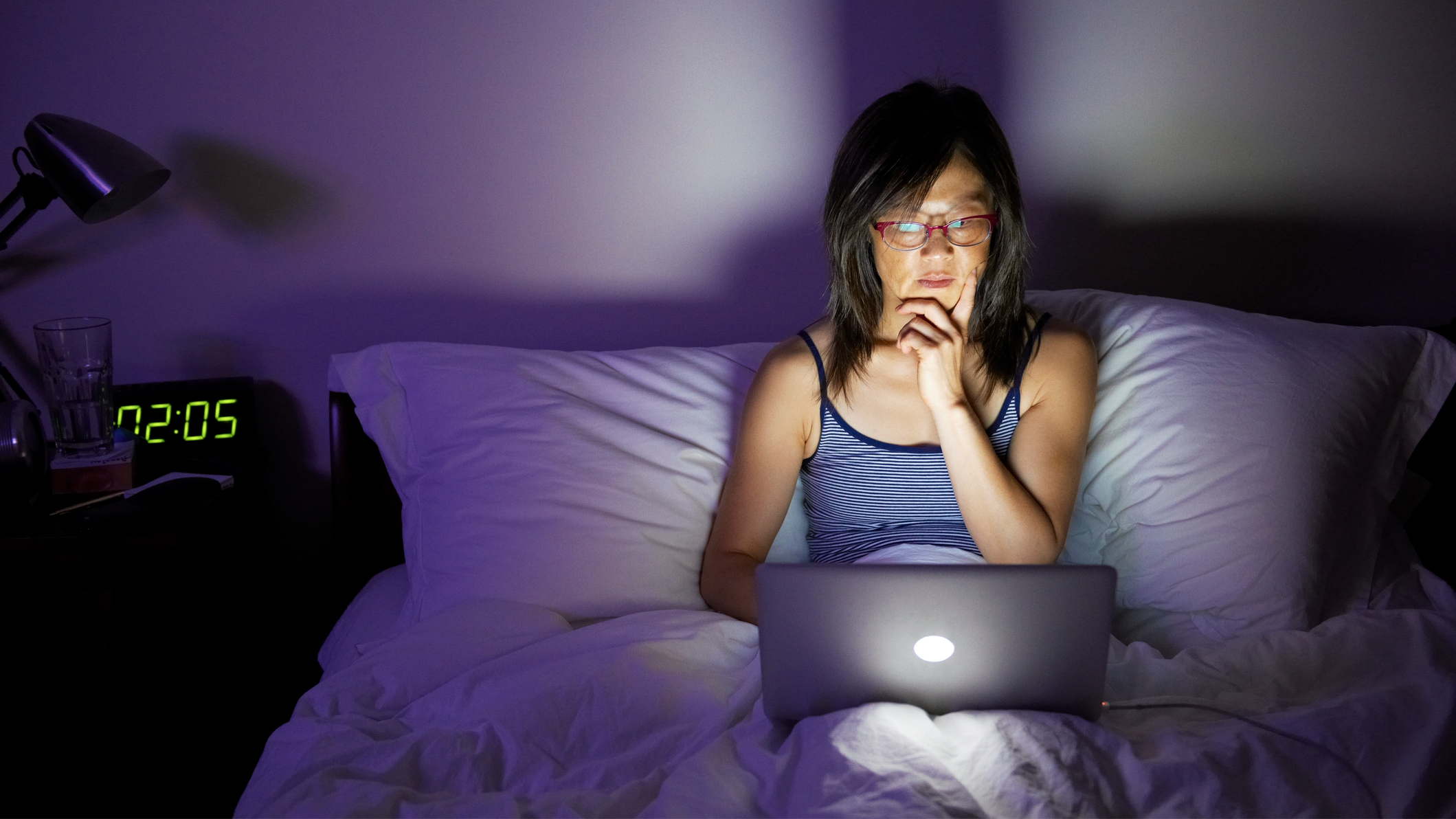
“The brain activates its alertness systems, releasing chemicals like norepinephrine, dopamine, and orexin to keep you functional,” explains Dr. Joshua Roland, a board-certified sleep medicine physician and medical director at Dreem Health.
“Cortisol can creep up, too, which is why you get that ‘tired but wired’ feeling: physically drained but mentally switched on,” says the sleep physician. Cortisol levels naturally rise around 3 a.m. before peaking upon waking. However, elevated baseline levels of cortisol levels can cause levels to rise enough around this time to wake you up.
As a time-poor parent, working beyond bedtime is a trap I often fall into, and it’s why I often lie in bed feeling too switched on to fall asleep, only to then wake in the early hours of the morning. Now, if I’m aiming for a 10 p.m. bedtime, I’ll close my laptop at 8 p.m. and allow my brain to wind down naturally for sleep.
Going screen-free before bedtime calms my nervous system
There is evidence to suggest that blue light from our screens isn’t as disruptive to the production of the sleep hormone melatonin as we once thought. However, the content that we’re consuming on those screens can be, and it can lead to an overwrought nervous system.
“What's interesting is that scrolling often feels restful, but physiologically it isn't,” says Dr. Jessica Meers, a Licensed Clinical Psychologist at Rhythm Wellness. “Every swipe brings something new and unpredictable, keeping the brain engaged and alert.
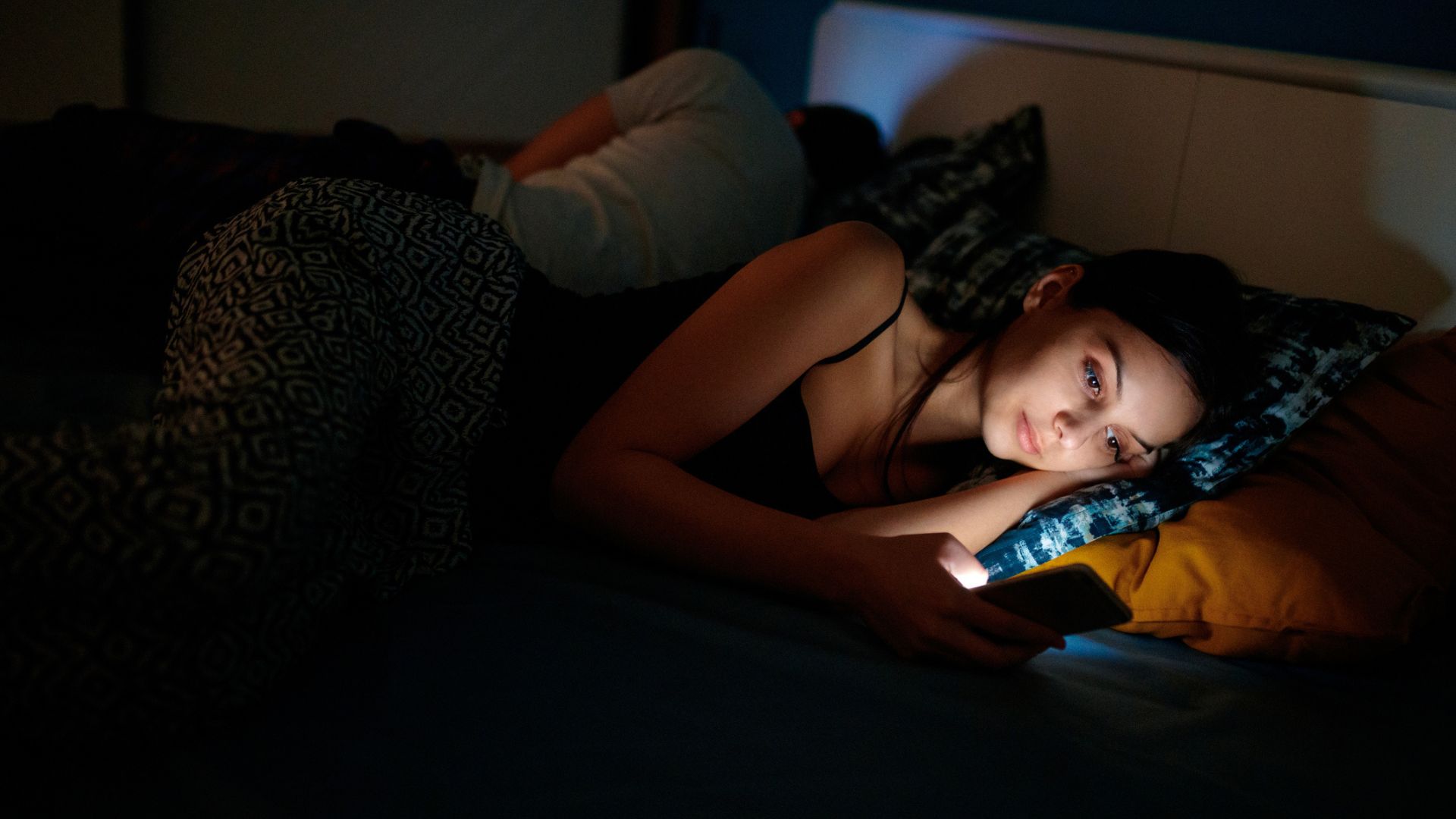
“Even when we're relaxing on the couch, our brains are still processing information, emotions, and stimulation. That's one reason many people feel mentally tired but not truly rested,” says the Board-Certified Sleep Behavioral Specialist.
So, although scrolling on my phone or watching TV looks like downtime, switching off my screens one hour before bedtime in favor of an analogue activity (puzzling and reading are currently my go-to activities of choice) I’m allowing my nervous system to decompress — and that’s crucial for combatting middle insomnia.
3 sleep doctor-approved tips for stopping 3 a.m. wake ups
It’s normal to partially wake during the night as we cycle through different sleep stages and rarely even remember it.
However, waking up at night becomes a problem when you find yourself wide awake for extended periods of time and struggle to fall back to sleep.
For me, nighttime anxiety is a leading cause of my 3 a.m. wake ups. Here, leading sleep doctors share their tips for banishing middle insomnia and getting the rest you need.
1. Set aside worry time

In an ideal world we wouldn't worry at all, but if anxiety is causing you to wake up at night then setting aside time before bed to offload could help.
"One of my favorite strategies for reducing nighttime anxiety is what I call a cognitive offload," says Dr. Meers.
"Before bed, write down everything that's on your mind — tasks, worries, reminders, anything unfinished. It helps signal to the brain that it doesn't need to keep rehearsing those thoughts overnight."
2. Build sleep pressure
Building adequate sleep pressure has been a game changer for my sleep. Sleep pressure, also referred to as your homeostatic sleep drive, is essentially a term to describe your biological urge to sleep.
It builds from the moment you wake up and hits its peak just before you go to sleep. Things that add to sleep pressure include exercise and a consistent wake time. On the flip side, excessive napping, a sedentary lifestyle and caffeine can rob you of the sleep pressure required to stay asleep all night.
3. Try an invisible hour
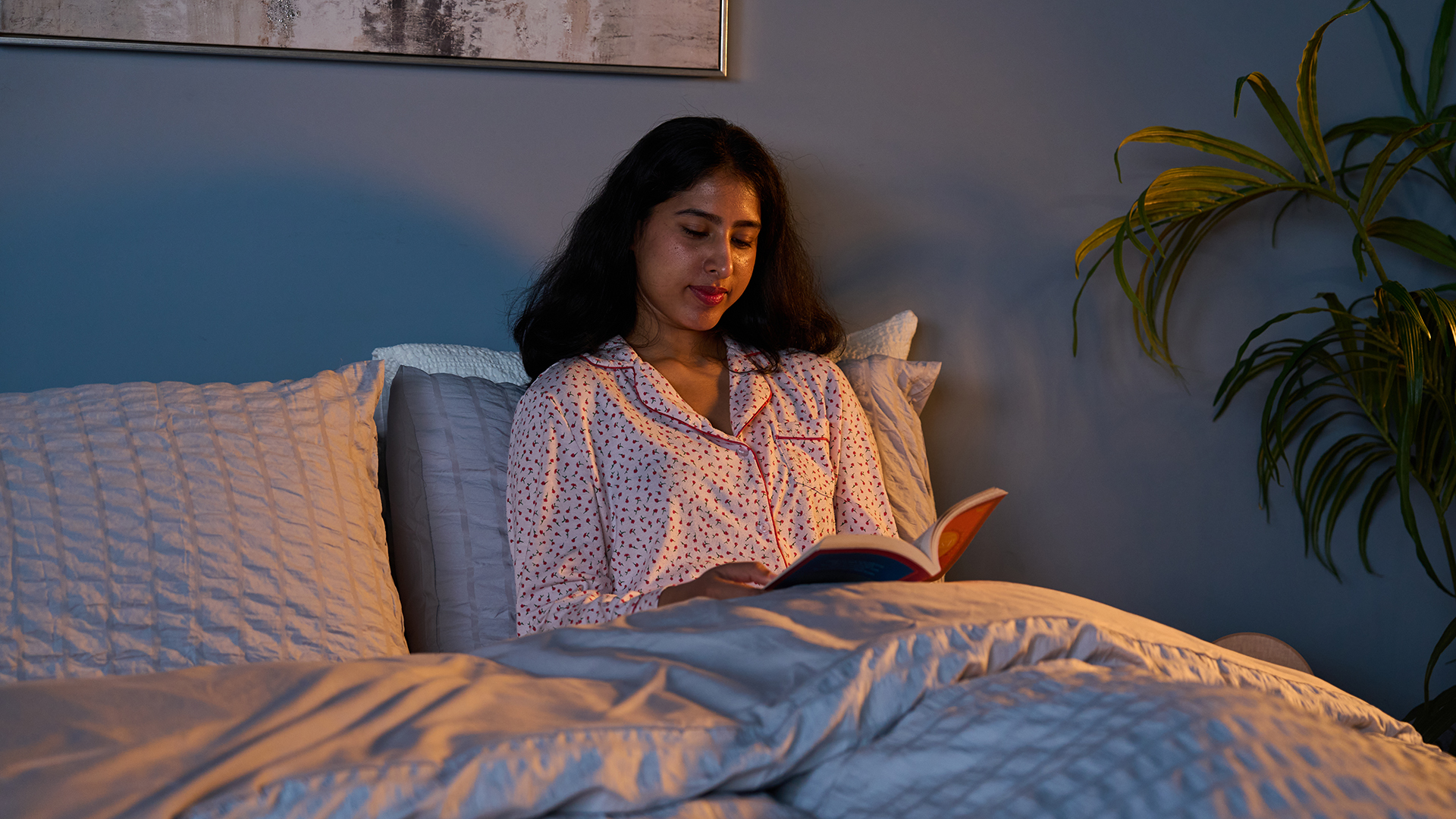
I've tried an invisible day method, a digital 24-hour detox, in order to combat my 3 a.m. wake ups. While it undoubtedly works, it can be difficult to carve out the time in my busy schedule to implement one.
Instead, Dr. Eric Zhou, associate professor in the Division of Sleep Medicine at Harvard Medical School, recommends taking a regular 'invisible hour' before bedtime.
"Create a consistent 'invisible hour' each night," recommends Dr. Zhou, a sleep researcher. "During this time, promise yourself that you won't turn on your work laptop, or see what your friends have posted on Tik Tok. Instead, use this time to participate in something that you genuinely enjoy."