
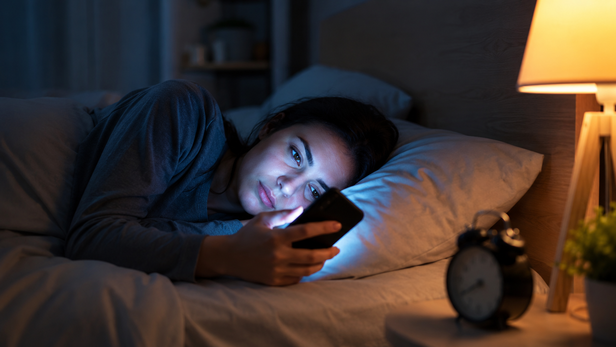
For millions of people, the final moments before sleep are spent staring at a glowing screen. Whether it is scrolling endlessly through social media, watching videos in bed, replying to late night messages, or falling asleep with the television still running, nighttime screen exposure has quietly become one of the most common habits in modern life. Doctors and sleep researchers are now increasingly warning that this seemingly harmless bedtime routine may be doing more damage to the brain than many people realize. Sleep is not simply a period of rest. It is one of the most critical biological processes for brain repair, emotional balance, memory formation, mental clarity, and overall neurological health. When sleep quality becomes disrupted repeatedly, the brain may struggle to recover properly from daily stress and stimulation.
Experts say that one of the biggest mistakes affecting sleep quality today is excessive screen use before bedtime, especially when it becomes a nightly habit. Over time, this pattern may contribute to brain fog, reduced concentration, poor memory, mood disturbances, mental fatigue, and disrupted sleep cycles. What makes this issue even more concerning is how common it has become. Many people are unknowingly damaging their sleep quality every single night without fully understanding how deeply sleep and brain health are connected.
Why Phones and Screens Disrupt Healthy Sleep

Doctors explain that the human brain is naturally designed to respond to light and darkness. As evening approaches and the environment becomes darker, the brain begins releasing melatonin, a hormone that signals the body to prepare for sleep. However, smartphones, tablets, laptops, and televisions emit bright blue light that can interfere with this natural process. Research suggests that blue light exposure at night may suppress melatonin production and delay the body’s internal sleep clock. This can make it harder to fall asleep naturally and reduce the quality of deep restorative sleep throughout the night. The problem is not only the light itself. The mental stimulation created by constant scrolling, emotional videos, gaming, social media content, and nonstop notifications also keeps the brain unusually alert during hours when it should be winding down. Instead of entering a calm and relaxed state before sleep, the brain remains active and overstimulated.
Why Deep Sleep Matters for the Brain
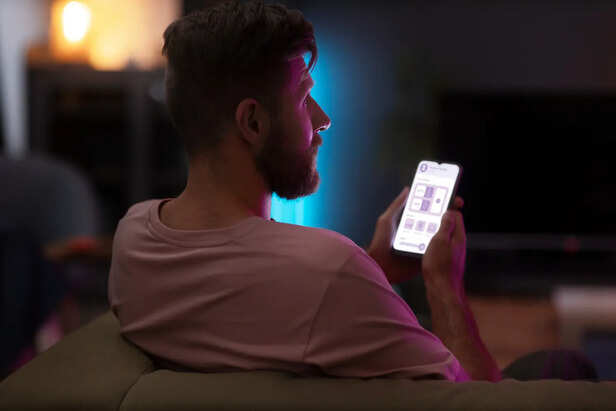
Sleep experts repeatedly emphasize that the brain performs some of its most important recovery functions during deep sleep. During healthy sleep cycles, the brain works to:
- process memories
- strengthen learning
- regulate emotions
- repair cells
- balance hormones
- remove waste products from brain tissue
Researchers believe this nighttime recovery process is essential for maintaining long term cognitive health. When sleep becomes fragmented or shortened because of late night screen exposure, the brain may spend less time in the deeper stages of sleep that support these important functions. This is one reason many people wake up feeling mentally exhausted even after spending several hours in bed.
Doctors say poor sleep quality can affect the brain far more than people realize. Someone may technically sleep for seven or eight hours but still experience poor mental recovery if sleep remains repeatedly interrupted or shallow.
The Growing Problem of Brain Fog and Mental Fatigue
One of the most common complaints linked to poor sleep today is brain fog. People often describe it as:
- mental heaviness
- forgetfulness
- poor concentration
- slower thinking
- lack of mental sharpness
- difficulty focusing
Doctors say these symptoms are increasingly common among people who regularly stay awake late using screens before bed. The brain depends on proper sleep to organize information and reset itself for the next day. Without enough high quality sleep, mental performance may decline significantly. Sleep researchers also warn that chronic sleep deprivation may increase stress hormone levels, worsen mood regulation, and contribute to emotional instability over time.
Many people underestimate how deeply sleep quality affects daily life. Lack of proper rest does not only create tiredness. It can influence productivity, patience, emotional control, memory, and decision making throughout the day.
Why Modern Habits Are Making Sleep Worse
Experts believe modern lifestyles have created the perfect environment for sleep disruption. Unlike previous generations, many people now remain connected to digital devices almost constantly. Work continues late into the evening, entertainment is available nonstop, and social media encourages endless scrolling without clear stopping points. This constant stimulation confuses the brain’s natural sleep rhythm. Even worse, many people use screens directly in bed, which trains the brain to associate the sleeping environment with mental activity instead of relaxation. Doctors say this may gradually weaken the body’s ability to fall asleep naturally and efficiently. The problem becomes especially serious when poor sleep turns into a long term habit rather than an occasional issue.
What Research Says About Long Term Sleep Problems
Medical experts continue studying the long term effects of poor sleep on the brain. Research has already linked chronic sleep deprivation and poor sleep quality with:
- impaired memory
- slower cognitive processing
- reduced attention span
- mood disorders
- increased mental fatigue
- greater stress levels
Some studies have also explored possible links between long term poor sleep and increased risk of cognitive decline later in life. Doctors stress that occasional late nights are unlikely to cause permanent harm. However, consistently poor sleep patterns over months and years may place significant strain on overall brain health. This is why sleep specialists increasingly describe healthy sleep as one of the most important pillars of long term wellness.
Why Younger Generations Are Especially Vulnerable
Many doctors are particularly concerned about younger adults and teenagers who spend long hours using digital devices late into the night. Teenagers and young adults are often exposed to:
- nonstop notifications
- gaming sessions
- social media scrolling
- binge watching
- late night messaging
These habits may reduce total sleep duration and weaken sleep quality during important years of brain development and learning. Sleep researchers warn that younger people may not immediately notice the effects because the brain can temporarily adapt to sleep loss. However, long term sleep deprivation can gradually affect mental sharpness, emotional regulation, and daily performance.
How Doctors Recommend Protecting Brain Health Through Better Sleep
Sleep experts often encourage people to build healthier nighttime routines that allow the brain to relax naturally before bed. Reducing screen exposure during the final hour before sleep is one of the most widely recommended strategies. Doctors also encourage:
- consistent sleep schedules
- darker sleeping environments
- limiting stimulating content before bed
- avoiding excessive caffeine late in the day
- creating calming bedtime routines
Simple habits such as reading, meditation, light stretching, or quiet relaxation may help the nervous system transition more naturally into restful sleep. Experts emphasize that improving sleep quality is not only about feeling rested the next morning. It is an investment in long term brain function, emotional stability, and overall health.
Conclusion
The modern habit of excessive screen use before sleep may appear harmless, but doctors increasingly warn that it can quietly interfere with the brain’s natural recovery process night after night. Healthy sleep is essential for memory, focus, emotional balance, learning, and long term cognitive well being. When deep restorative sleep becomes disrupted repeatedly by screens, overstimulation, and poor nighttime habits, the effects may gradually appear through brain fog, mental fatigue, poor concentration, and declining sleep quality. As digital devices continue dominating modern life, protecting sleep has become more important than ever. For many experts, the message is becoming increasingly clear: one of the most powerful ways to support long term brain health may begin with something as simple as putting the phone away before bedtime.
Explore the latest trends and tips in Health & Fitness, Spiritual, Travel, Life Hacks, Trending, Fashion & Beauty, and Relationships at Times Life!




.jpg?w=600)