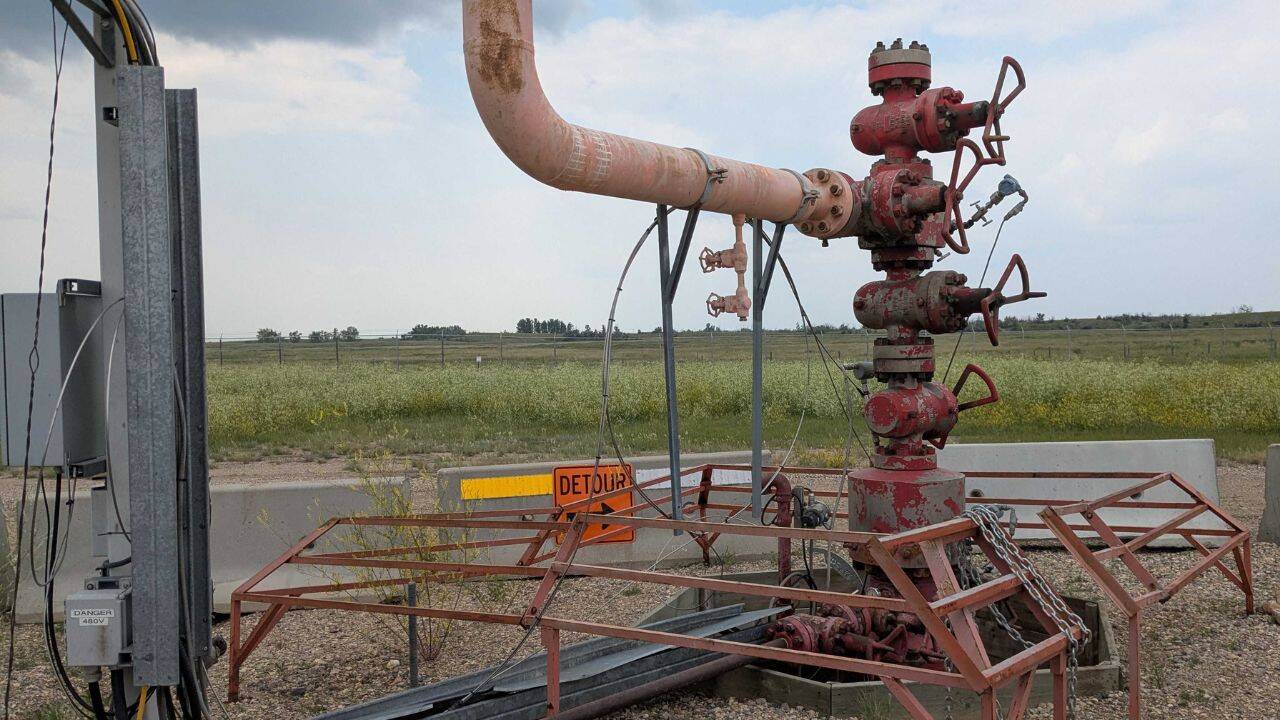
California’s fight against climate change is now being confronted by a complex challenge. As the state targets carbon neutrality by 2045, scientists suggest that capturing carbon dioxide and burying it deep underground is essential. Norway has successfully adapted this technology beneath the North Sea, but towns in California like those in Kern County present a challenge of a ‘landscape filled with over 8,000 abandoned oil wells.’ These wells act like straws poked into the Earth, potentially offering escape routes for stored gases.
Get breaking news anytime, anywhere. Download the TOI app now!
Can a modern carbon capture plant truly function in such a porous environment? Using insights from Stanford University and California state experts, we explore whether California can turn its oil fields into high-tech carbon storage units, or if these historic wells will lead to dangerous gas leaks.
Does California have enough underground space for its CO2 emissions
According to a joint study by Stanford University and the Energy Futures Initiative , California possesses one of the largest underground storage potentials in the United States. The state’s unique geology, particularly in the Central Valley, features thick layers of sands and shales that are perfect for trapping gases. Experts estimate that California has enough underground capacity to store its current annual emissions for over 1,000 years.
To reach the goal of carbon neutrality, the Lawrence Livermore National Laboratory (LLNL) suggests the state must remove and store roughly 125 million metric tons of carbon dioxide every year. While this sounds like a massive undertaking, the technology is already mature and being deployed in other parts of the world. However, the success of these projects depends on whether the carbon stays where we put it.
What happens when carbon meets California’s 8,000 old wells
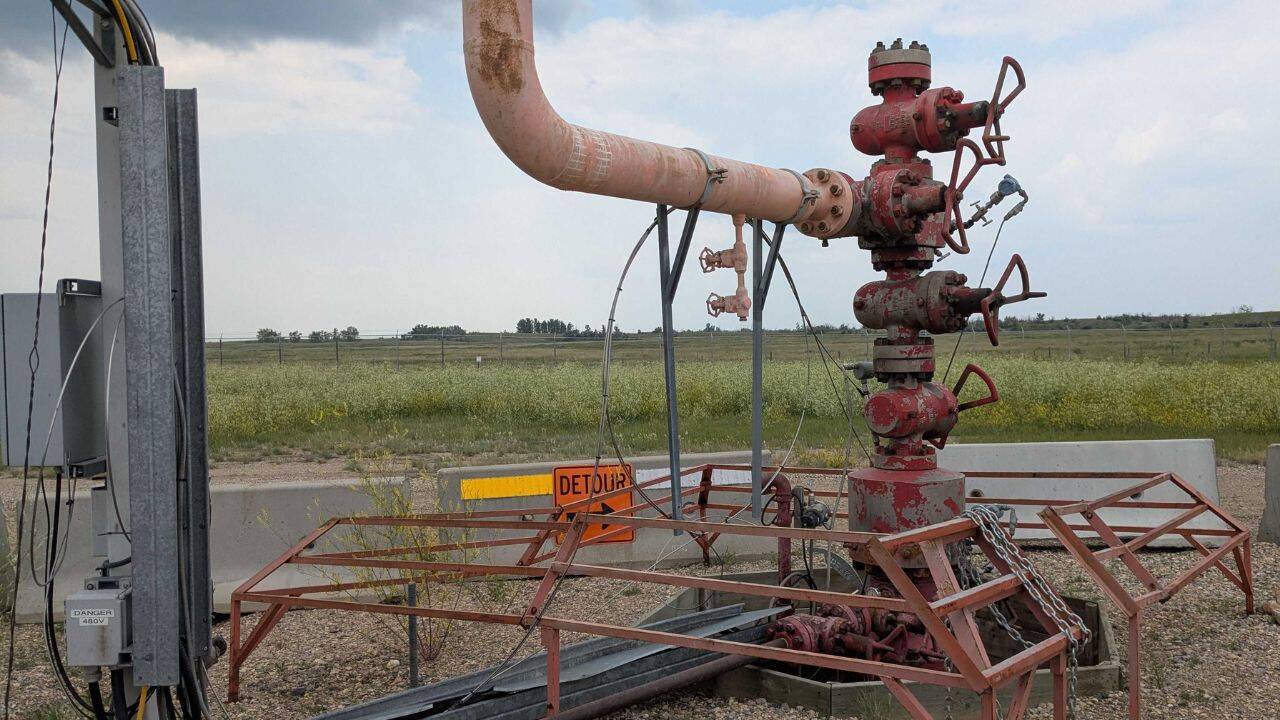
The biggest worry for residents in towns like Bakersfield is the large number of old oil and gas wells. These wells were often drilled decades ago with different levels of quality control. A study provided by the U.S. Department of Energy (OSTI) warns that every well is a potential leak path for the protective rock layer of a storage site.
However, modern computer modelling provides a solution. When researchers carried out a mock experiment in the San Joaquin Valley with 1,000 legacy wells, they found that even if no repairs were made, the amount of carbon that might leak back out was less than 0.00004% of the total gas injected over 100 years. The study suggests that the most effective way to manage this risk is not just to fix every well, but to identify and seal the shakiest wells first. This would involve using historical records and modern sensors to find the wells most likely to fail.
What rules are in place to keep the local community safe from CO2 leakage
California has developed some of the strictest rules in the world to oversee these projects. The California Air Resources Board (CARB) and the U.S. Environmental Protection Agency (EPA) requires developers to follow a rigorous ‘CCS Protocol.’ This includes a mandatory 50-year monitoring period after the project stops injecting gas to ensure the site remains stable.
Before a company like California Resources Corporation (CRC) can start their ‘ Carbon TerraVault’ project, they must prove they have the exclusive right to use the underground space and that they have studied the rock layers extensively to prevent leaks.
Can this carbon storage technology help the local economy of California
The Stanford and EFI study points out that the industrial sector in California supports over 1.3 million jobs. Many of these workers have skills from the oil and gas industry that are directly transferable to carbon capture.
By re-fitting existing power plants and factories with carbon capture equipment, the state can keep these facilities running while drastically reducing their pollution. Furthermore, building the necessary pipelines and storage hubs could create a whole new ‘clean industry’ sector. For towns with high unemployment and a history of energy production, this transition could offer a way to maintain their economic base while moving away from traditional oil drilling.
Is carbon capture a ‘false solution’
There is a disagreement between scientists and community advocates. While the Stanford study and LLNL view carbon capture as a critical tool to fight global warming, some community groups are concerned that carbon capture might allow oil companies to keep extracting fossil fuels for longer than they should.
The lawsuit filed in Kern County highlights that many people in ‘frontline communities’ like low-income residents who already live with high pollution, feel like they are being asked to take on the risks of a new technology while the benefits go to big corporations. This conflict shows that technology alone isn't enough; the state must also build trust and ensure that these projects provide real health and economic benefits to the people living right above the storage sites.
So, will it work
The evidence from government and academic sources suggests that carbon capture in a town with thousands of abandoned wells is technically possible, provided that the right management strategies are used. While the risk of leaks can never be zero, modelling shows it can be minimised to a far safer level. However, the real test won't just be in the rock layers, but in the courtrooms of California. As the state moves forward with its first projects, the world will be watching to see if it can successfully bury the carbon to protect its future.