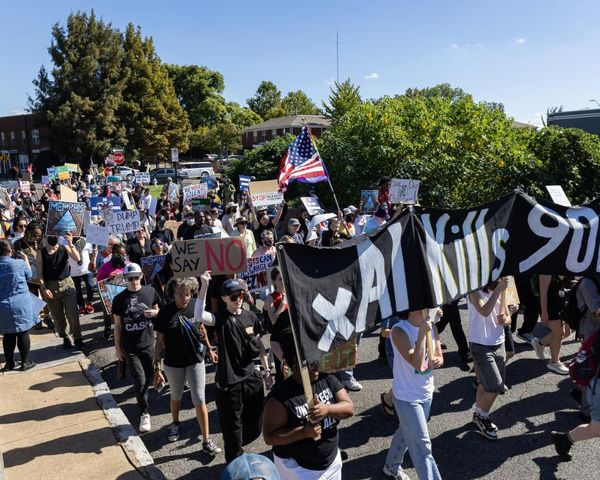
Videos showing Indian police using force, batons and tear gas against student protesters in New Delhi have gone viral across social media, intensifying scrutiny of the government's handling of the nationwide movement over the NEET-UG paper leak scandal.
The said examination is an all-India-level entrance test held for admission to undergraduate medical courses in India.
On 20 July, thousands of demonstrators gathered near Parliament on Monday demanding accountability for examination irregularities and the resignation of Education Minister Dharmendra Pradhan, while Prime Minister Narendra Modi faced renewed political pressure over the crisis.
Police Confront Student Protesters
The confrontation unfolded as members of the Cockroach Janata Party (CJP), a student-led movement, attempted to march towards Parliament during the first day of Monsoon Session. However, a heavy crackdown was in place from the night before the march.
And it has finally begun.
— Piyush Rai (@Benarasiyaa) July 20, 2026
Security personnel using lathicharge to disperse crowd at CJP protest in Delhi. pic.twitter.com/JYTNKLq0Tj
Police had blocked key roads, deployed heavy security, suspended mobile internet services in parts of central Delhi and closed several Delhi Metro stations before the demonstration.
As protesters attempted to move past barricades, police used batons and tear gas to disperse sections of the crowd. Videos circulating widely online appeared to show officers striking demonstrators, including some who had fallen to the ground. Other footage showed injured protesters receiving medical treatment, with visible head and leg injuries.
जो सरकार नारियों का सम्मान नहीं कर सकती उसको सत्ता में रहने का कोई हक नहीं है। pic.twitter.com/bXzssCbPBJ
— Cockroach Janta Party (@CJP_for_India) July 21, 2026
The independent media, which were reporting from on the ground, have verified multiple videos with eyewitnesses where police were filmed brutally assaulting protesters as young as 15 or 16.
Medical volunteers at the protest site said several demonstrators required treatment, while others were referred to hospitals. Delhi Police maintained that prohibitory orders were in force around Parliament and said no permission had been granted for the march. However, students and protesters argued that in a democracy one should not seek permission to conduct a peaceful march.
Why Students Are Protesting NEET Leak
The demonstrations stem from growing anger over alleged irregularities in the NEET-UG 2026 examination, including claims of question paper leaks, organised cheating networks and disputed scoring practices. Similar concerns have also been raised over other competitive examinations, including UGC-NET and CSIR-NET.
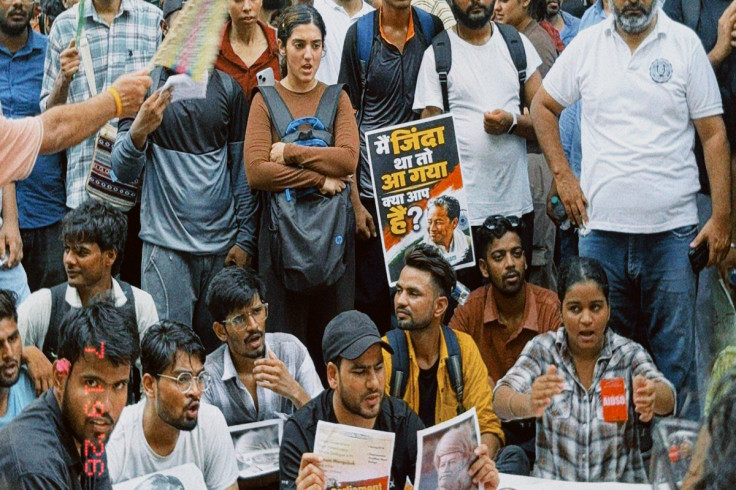
The CJP was formed earlier this year by activist Abhijeet Dipke as a satirical student movement demanding education reforms, transparent examinations and accountability from authorities. The group's cockroach mascot references a controversial remark previously made about unemployed youth by the Chief Justice of India, which organisers turned into a symbol of resilience.
The protests gathered further momentum after climate activist Sonam Wangchuk, who had been on a hunger strike alongside student activists for more than 20 days, was forcibly removed from the protest site on Friday and admitted to a government hospital. Wangchuk has continued his fast from hospital, with organisers saying the intervention has galvanised support for Monday's march.
Government and Opposition React as Talks Begin
While Prime Minister Narendra Modi did not publicly comment on Monday's clashes, senior minister JP Nadda met CJP representatives during the day. CJP spokesperson Saurav Das later said the group had submitted its demands, including the removal of Education Minister Dharmendra Pradhan, but that no commitments had been made.
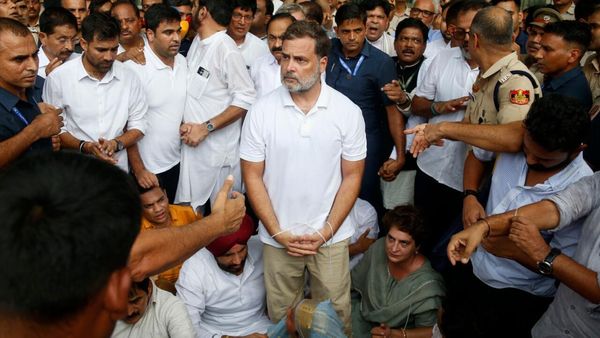
Opposition leaders have strongly criticised the police response. Congress president Mallikarjun Kharge described the baton charge as 'an attack on democracy', while Trinamool Congress MP Mahua Moitra and Congress MP Shashi Tharoor questioned the use of force against peaceful demonstrators.
By Monday evening, CJP leaders indicated their immediate objective of forcing the government into talks had been achieved, although protesters remained at Jantar Mantar as negotiations continued. However, on Tuesday, during a press conference, the CJP's spokesperson, along with founder Dipke, made clear that since their talks, the government has been silent on their demands.
Court proceedings linked to the NEET controversy also remain ongoing, and student groups are planning further demonstrations if the government does not address their demands.