

“योगश्चित्तवृत्ति निरोधः।”
When the waves of the mind settle, clarity appears. This simple yogic truth, deeply associated with Lord Shiva as Adiyogi, holds the answer to one of the biggest struggles of our time: overthinking.
In today’s world, the mind rarely rests. It replays conversations, predicts problems, compares lives, and imagines outcomes that may never happen. Ancient Shaivite wisdom understood this restless nature of the mind long before modern psychology named it anxiety or rumination.
Shiva, seated in deep meditation on Mount Kailash, represents something powerful. He represents a mind that is still, aware, and free. His symbolism carries psychological depth that remains highly relevant today.
1. Master the Mind Through Stillness
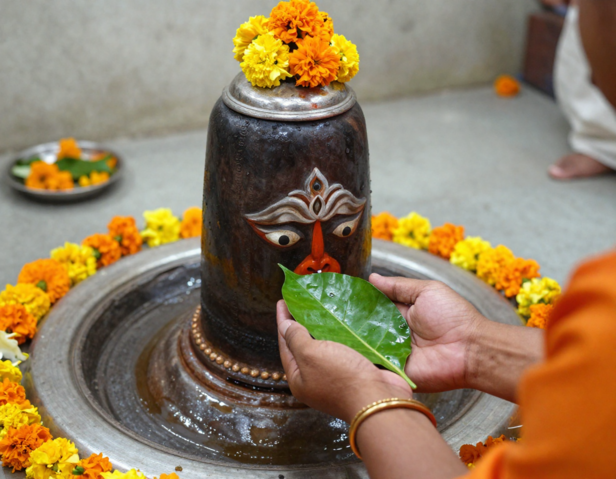
Shiva’s meditative posture is not just spiritual imagery. It symbolizes control over mental fluctuations.
Overthinking is the repetition of uncontrolled thoughts. When you pause and observe instead of reacting, the intensity of thoughts reduces. Stillness allows clarity before action.
Modern neuroscience shows that meditation lowers activity in brain regions linked to rumination. Shiva’s stillness teaches that silence is strength. When the mind slows down, decisions become sharper and anxiety weakens.
2. Practice Detachment from Outcomes
Shiva lives simply, untouched by material obsession. His ash covered body symbolizes impermanence.
Much of overthinking comes from attachment. Attachment to results, opinions, relationships, or control. When identity is tied to outcomes, the mind constantly worries about what might go wrong.
Detachment does not mean lack of care. It means doing your duty without being mentally trapped by results. When expectations reduce, mental noise reduces.
3. Let Go of What No Longer Serves You
As the destroyer in the cosmic trinity, Shiva represents transformation. His destruction is symbolic. It is the removal of illusion and ego.
Overthinking often comes from holding on to past mistakes, guilt, or outdated fears. Growth requires releasing these mental patterns.
Transformation begins when you consciously decide to stop feeding negative loops. Shiva’s energy teaches that renewal requires clearing mental clutter.
4. Balance Calmness with Awareness

Shiva is calm yet powerful. He meditates deeply but also opens his third eye when necessary.
Overthinking increases when emotions overpower logic or when feelings are suppressed. Balance is key. Acknowledge thoughts, examine them clearly, then release them.
The third eye symbolizes higher awareness. When you see situations from a broader perspective, small worries lose their intensity.
5. Accept Both Light and Darkness
When Shiva drank poison during the churning of the ocean, he did not reject it. He contained it.
Life includes discomfort, uncertainty, and fear. Overthinking grows when we resist uncomfortable emotions. Acceptance reduces their power.
Emotional maturity means recognizing negative feelings without letting them control you. Shiva’s Neelkanth form teaches resilience through acceptance.