
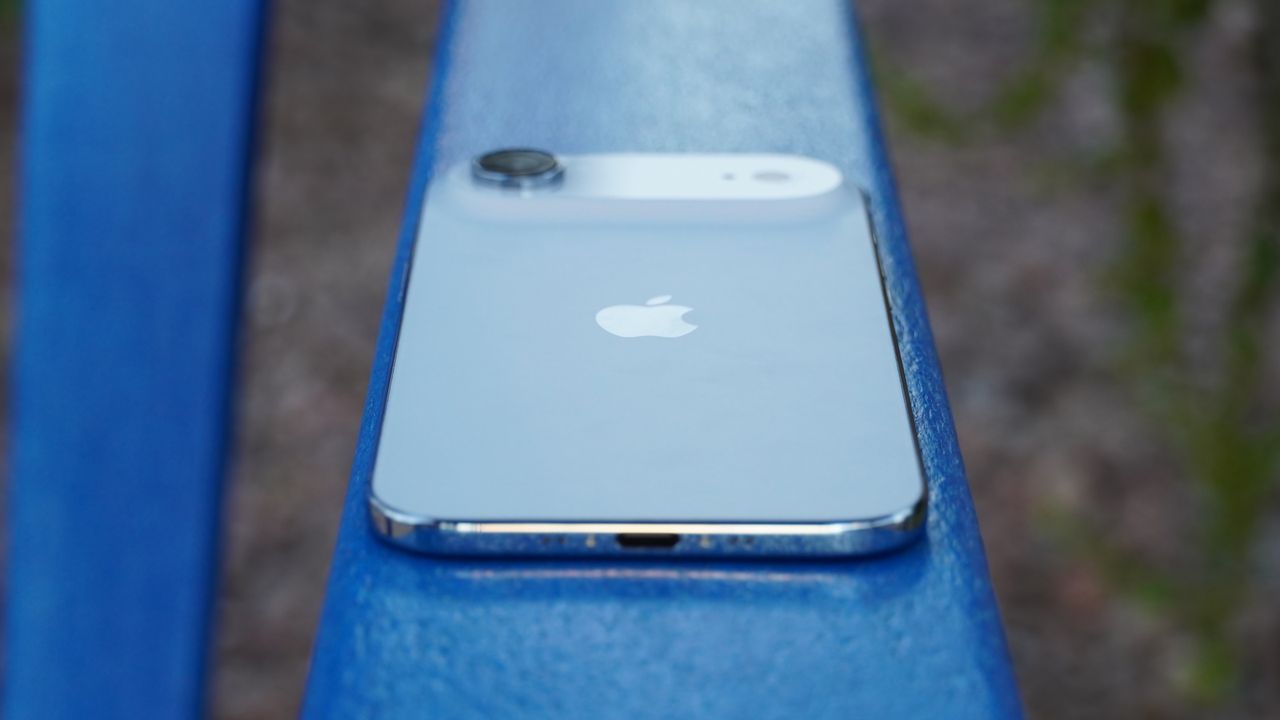
It sure sounds like the iPhone Air is being treated unfairly. That's not to say that the iPhone Air is a smash hit, or that it's for everyone. In fact, I say the opposite in my iPhone Air review. But is it really the commercial failure everyone seems to think it is?
A new survey from Consumer Intelligence Research Partners, reported by CNN, suggests iPhone buyers aren't choosing the iPhone Air nearly as much as the new iPhone 17 models. The survey asked U.S. iPhone shoppers which iPhone model they chose in the fourth quarter of 2025, and only 6% of buyers spent their money on the iPhone Air.
The rest of the lineup seemed to resonate more with iPhone buyers: 22% purchased the iPhone 17, 25% purchased the iPhone 17 Pro, and 27% purchased the iPhone 17 Pro Max. Considering the iPhone Air was the only new iPhone model that didn't break double figures, analysts continue to criticize weak demand for the iPhone Air. The CNN report itself describes consumer reception to the iPhone Air as "frosty," partly citing this survey as evidence.
But I'm confused — is this supposed to be bad news for Apple?
It's easy to use these numbers to continue the narrative that the iPhone Air is a failure. No one knows Apple's internal expectations for the model, so it's impossible to know whether that is actually true. It very well could be. However, I look at the situation differently. I see Apple selling more iPhones than ever, dominating global market share, and upselling potential customers to higher-priced Pro and Max models.
In a lineup of four new phones — five, if you include the iPhone 16e — some are going to be more popular than others. Most of us don't go out and buy multiple iPhones, we pick the one we like the most. If the new lineup, including the iPhone Air, propelled Apple to ship 81.3 million smartphone units in Q4 2025 and claim a 24.2% share of the global market, can we really call it a failure?
Android and iPhone lineups are like a sports team
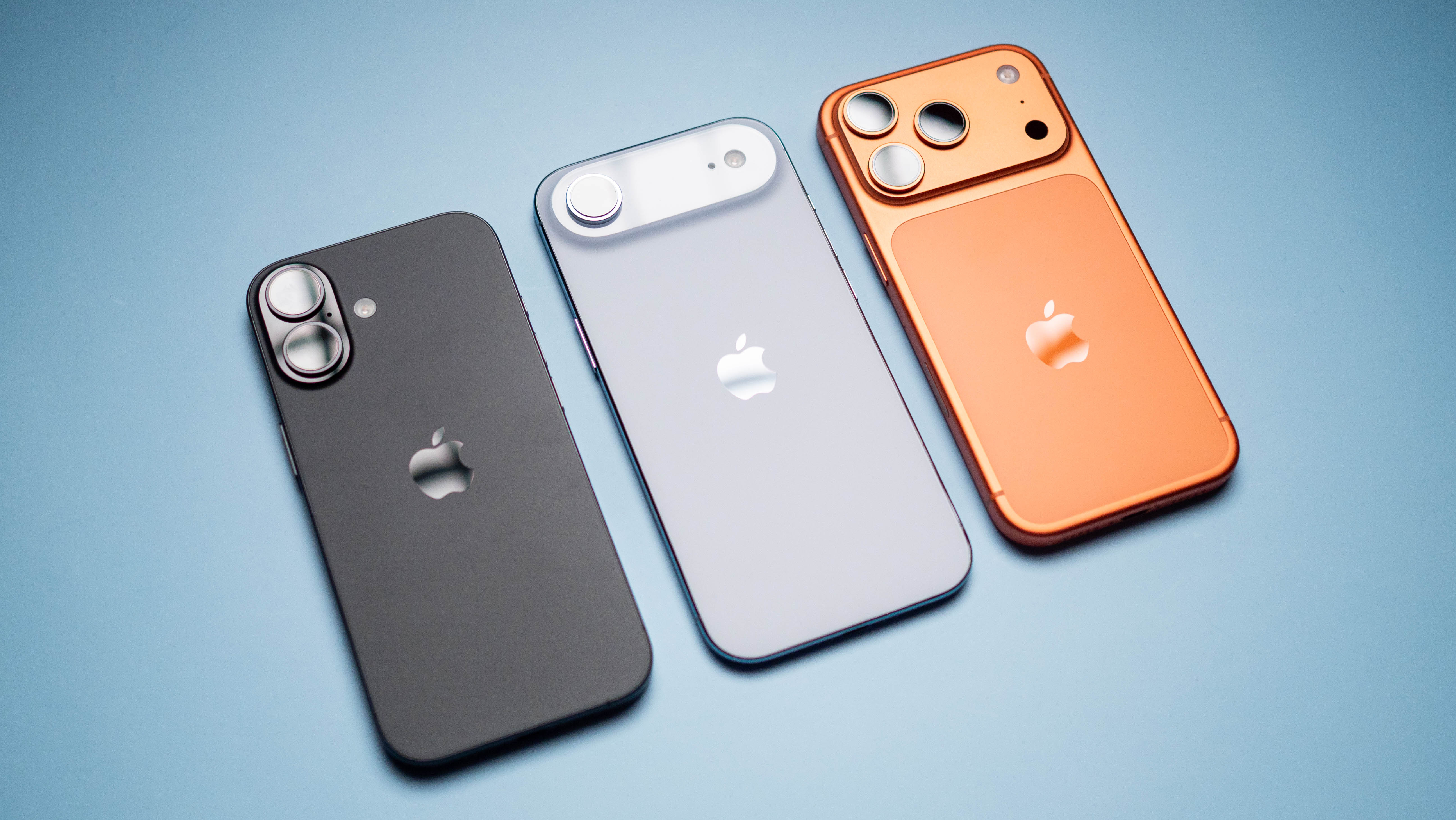
If you're not a sports fan, you'll have to bear with me through this quick analogy. When you're watching a team sport, your team can win without every player shining in a great individual performance. Some players are facilitators: they don't show up on the stat sheet, but they impact the team's overall success. Smartphone lineups work the same way — the Google Pixel 10, Samsung Galaxy S25, and iPhone 17 series are all teams, and each phone model is a player.
Samsung has the Galaxy S25, Galaxy S25 FE, Galaxy S25 Plus, and Galaxy S25 Ultra. Google offers the Pixel 9a, Pixel 10, Pixel 10 Pro, Pixel 10 Pro XL, and Pixel 10 Pro Fold. Apple sells the iPhone 16e, iPhone 17, iPhone Air, iPhone 17 Pro, and iPhone 17 Pro Max. If a brand entices you to choose just one of its models over a competitor, it wins. Remember: the iPhone Air isn't competing against the iPhone 17, it's the entire iPhone lineup against Android.
Let's review the Consumer Intelligence Research Partners survey figures in this context. Here's a quick recap:
- iPhone 17 ($799): 22%
- iPhone Air ($999): 6%
- iPhone 17 Pro ($1,099): 25%
- iPhone 17 Pro Max ($1,199): 27%
It's easy to look at those numbers and say that the iPhone Air is a flop, or that it's not resonating with buyers, or that there's low demand. But the same numbers also tell a completely different story. More than half of new iPhone buyers (52%) bought the two most-expensive models in Q4 2025 with the lineup as currently constructed. The best-selling model, the iPhone 17 Pro Max, is also the most expensive model.
Most new customers (58%) are choosing a more expensive iPhone model than the base iPhone 17. That's an absolute win for Apple. We don't know the exact profit margins for each model, but it's safe to assume that Apple wants to push prospective buyers to pricier models. This iPhone lineup is doing just that.
As a reminder, preliminary data obtained by International Data Corporation notes that Apple smartphone shipments in Q4 2025 increased by 4.9% year-over-year. So, Apple is selling more phones than ever while simultaneously getting buyers to overwhelmingly choose their most expensive iPhones.
How every phone brand builds its lineup
There's a few things we don't know about the iPhone Air in the context of its performance. We don't know how much it cost to develop — though that cost may be offset by its clear standing as a precursor to an iPhone Fold — we don't know how many Apple made, and we don't know how many expected to sell.
It's Apple's job to gauge demand before developing and releasing a new model. If the company correctly expected only 6% of new buyers to pick the iPhone Air, it's not a failure. It's simply existing within the iPhone lineup, and one that's crushing it in sales numbers.
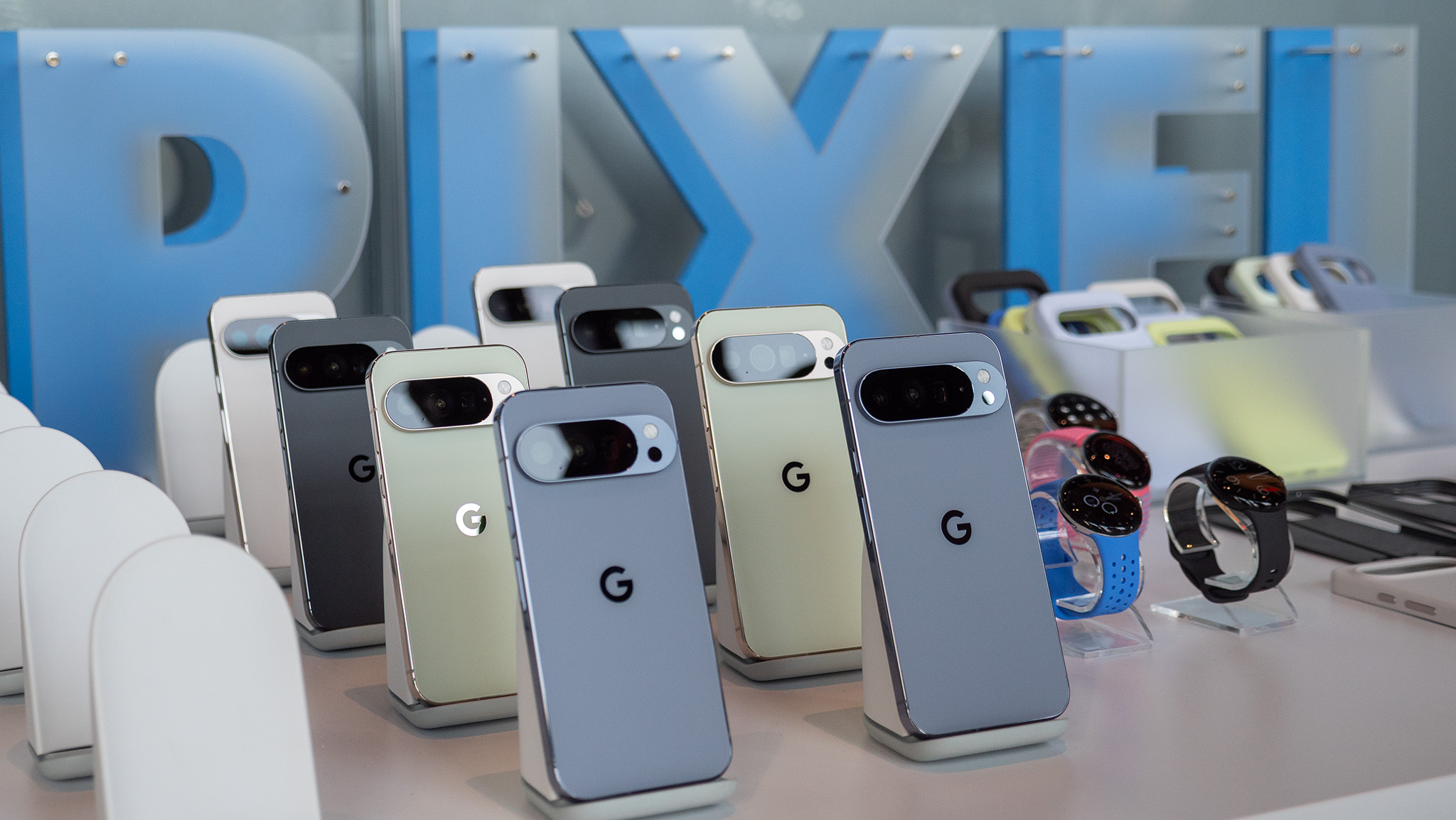
This is true of every major phone brand, including Android ones like Samsung and Google. When a company sells four or five models each year, it's inherently forcing users to make a choice.
The lineup is a balance. Apple, Google, and Samsung want to offer multiple value propositions across various price points to appeal to a wider customer base. They also want to create a "ladder" model and pricing structure that entices potential customers to upgrade to more expensive models.
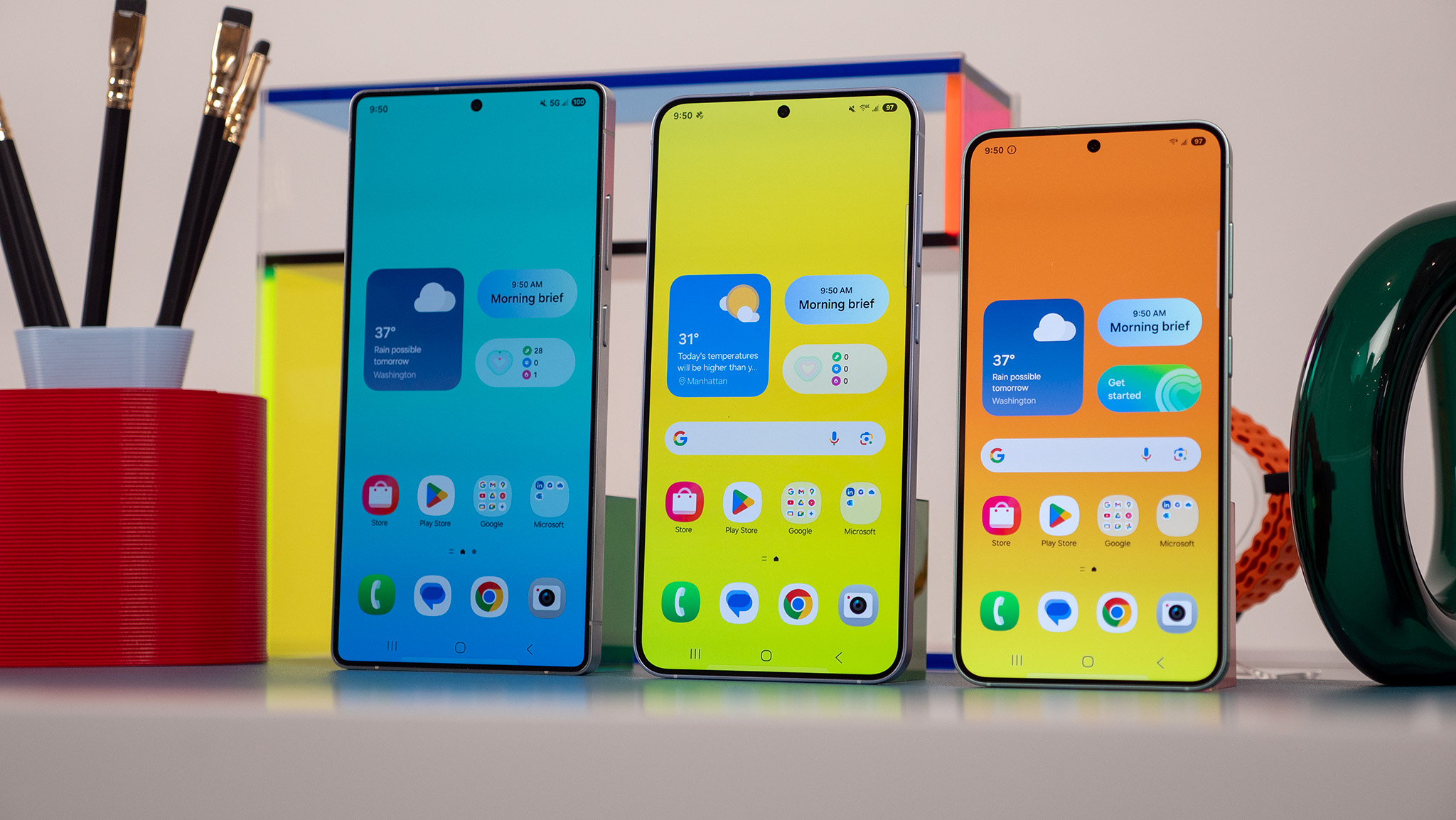
The Samsung Galaxy S25 Ultra is exorbitantly priced at $1,299. With the Galaxy S25 Plus below it at $999, it becomes an easier sell. And the higher-priced Galaxy Z Fold 7 benefits too. It's a staggering $1,999, but that's only $700 more than the Galaxy S25 Ultra, and you arguably get more versatility out of it. The Samsung Galaxy Z Fold 7 isn't a failure when users pick the Galaxy S25 Ultra instead, because Samsung still sold a phone and earned a customer.
The iPhone Air 2 might be cancelled. I wouldn't be surprised if it was, but that wouldn't mean it failed. If you need further proof of that, consider that the iPhone "mini" and iPhone "Plus" models that came before it were also canned.
I also wouldn't be surprised if the iPhone Air is considered a success internally at Apple. It's really hard to spin Apple selling more iPhones than ever, at higher prices than ever, as a bad thing. People are trying anyway.