According to a recent poll, 67% of Tom's Guide readers use a sleep tracker. And if you're anything like me then checking your sleep score is a common morning habit. But one doctor warns we're using our sleep trackers wrong. When it comes to sleep scores, it turns out less is sometimes more...
Dr. Shireen Emad of Watches2U explains that it's easier to identify patterns and habits that are negatively impacting your sleep when you focus on your monthly sleep score, not your daily score. She emphasizes that no one has perfect sleep, so we shouldn't expect to always see perfect scores.
The best sleep trackers collect data throughout the night to create an overview of your sleep and they're helpful tools for boosting your sleep quality. Here's the two step system a doctor advises to use your sleep tracker right...
Key takeaways
- Your monthly sleep score provides a better picture of sleep trends than your daily score, helping you spot patterns and habits
- Daily scores are useful but obsessing over them can lead to orthosomnia , which is anxiety surrounding getting the perfect night's sleep
- Everyone experiences the occasional bad night's sleep, which is why daily scores can be misleading
- You should also consider how you feel in the morning, not just what your sleep tracker says
What is orthosomnia?
Orthosomnia is a term to describe an unhealthy obsession with achieving a 'perfect' night's sleep. Research indicates that orthosomnia is usually driven by wearing sleep trackers, like smart rings and watches, to monitor your sleep score.
The doctor approved metric you should check on your sleep tracker
Dr. Emad, a practicing NHS doctor at Highgate Grange Medical Practice in Islington, London, has two big tips for making the most of your sleep tracker: Check your monthly score, not your daily and treat how you feel as another metric.
What is your monthly sleep score?
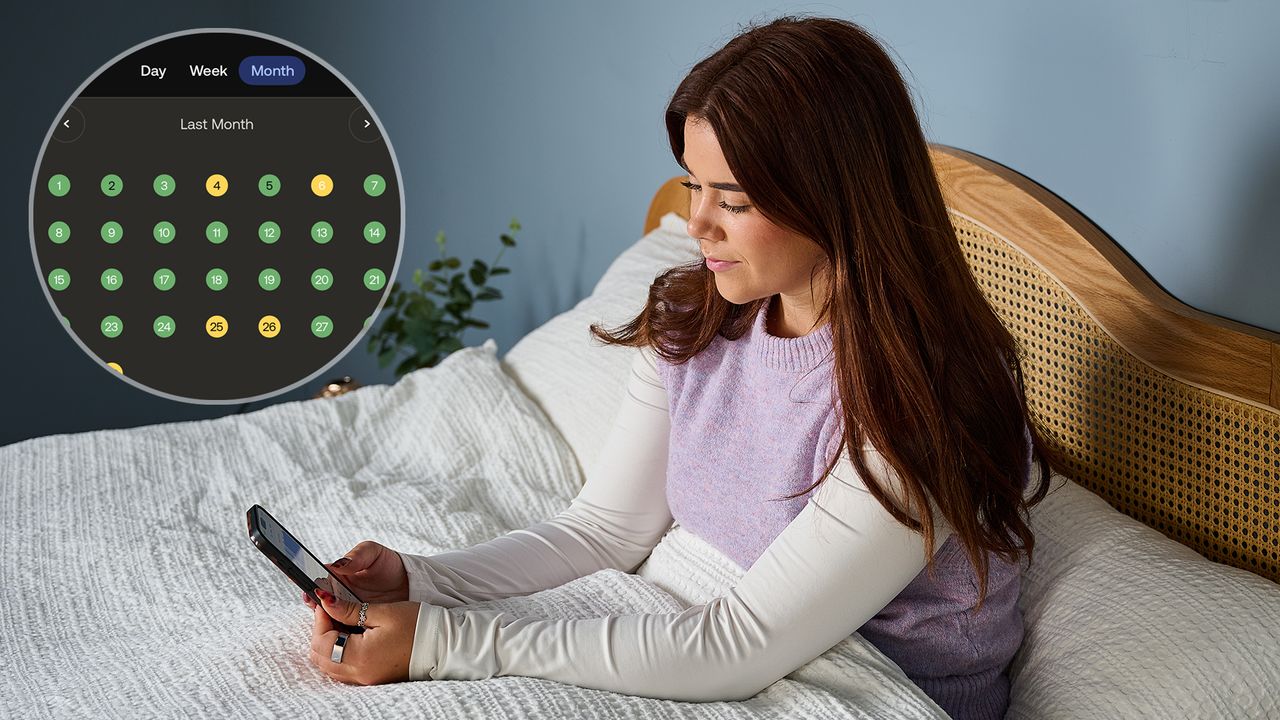
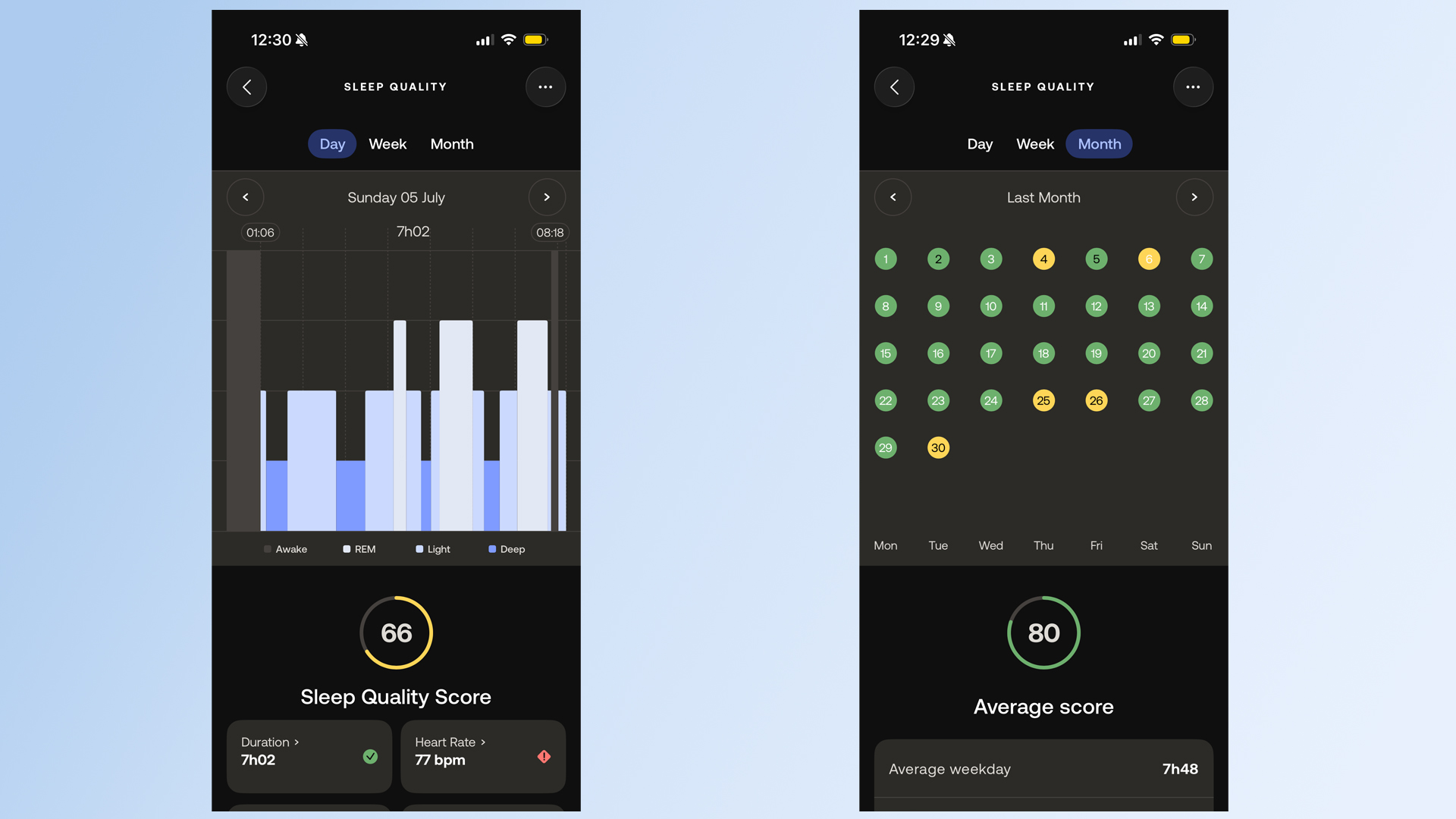
Your daily sleep score is an at-a-glance overview of various metrics collected throughout the night by your sleep tracker. Your monthly sleep score is the average score over the course of the month. And this is the score you should be focusing on, according to Dr. Emad.
“I would encourage people to look at patterns across several weeks rather than becoming concerned about one poor sleep score," says Dr. Emad. "Everyone has occasional bad nights, and that is completely normal.”
She adds that closely monitoring your daily scores can create "hyper awareness" which can cause you to misinterpret "perfectly normal" fluctuations as causes for concern.
For example, last night my sleep score was 66 — not great. But my overall score last month was 80 — much better. While that 63 might initially cause concern, as part of my overall sleep data, it's a blip. And, on reflection, one with some obvious causes (a hot night and a noisy neighbor.)
Most good sleep trackers provide a monthly score or monthly averages. However, you may need to break out the calculator and work it out for yourself.
Don't overlook the hidden metric: How you feel
“Sleep trackers can be incredibly useful tools, but it’s important to remember that they provide estimates rather than perfect measurements," says Dr. Emad. "One of the biggest mistakes people make is treating the data as an absolute judgement on how well they slept.”
Her advice is to factor in another metric, one your sleep tracker can't identify: How you feel in the morning.
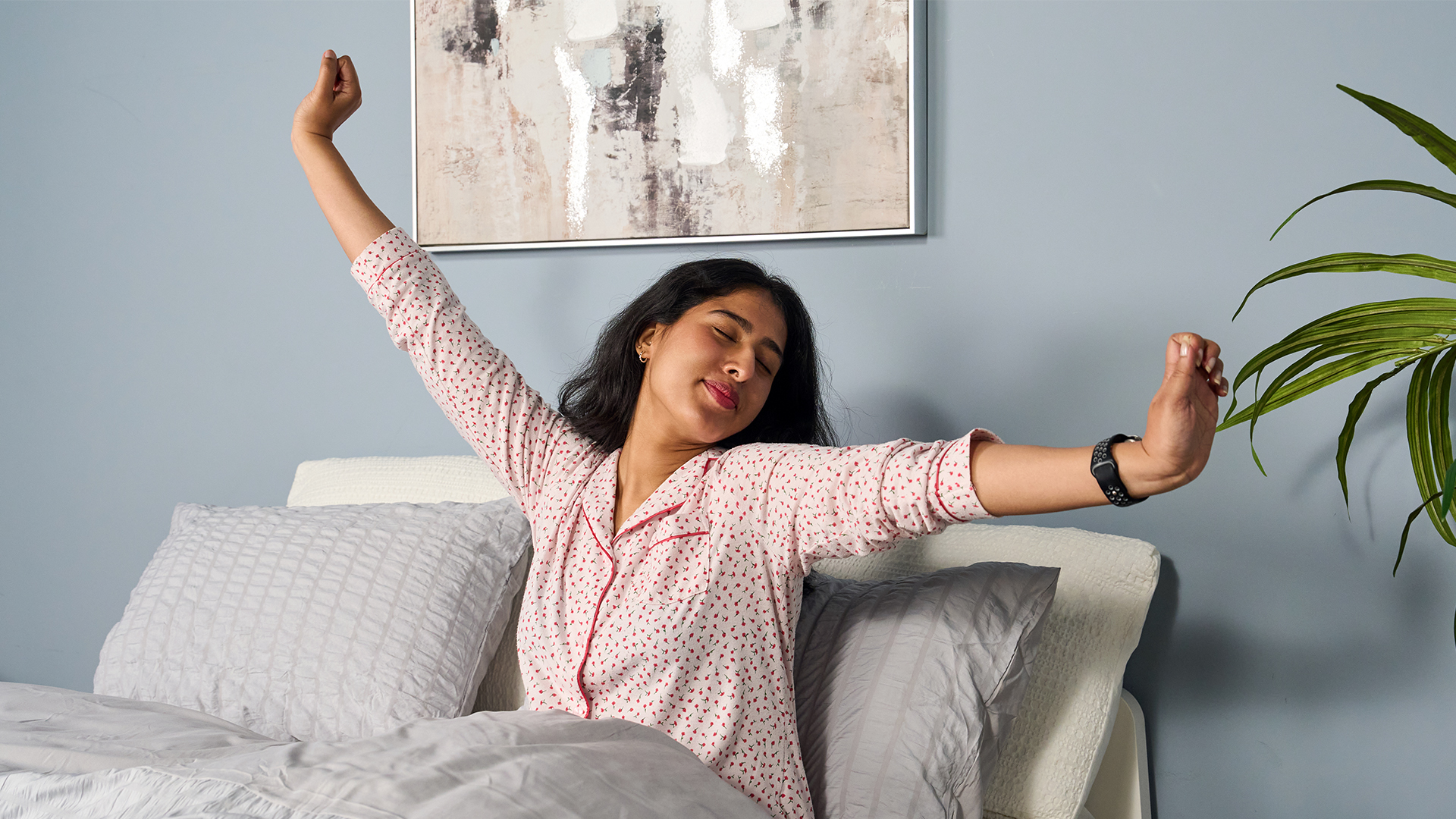
“If your watch tells you that you slept badly but you wake up feeling rested, energized and functioning well, it’s important not to disregard your own experience. Technology should complement how you feel, not override it.”
Here's Dr. Emad's top tips for making the most of your sleep tracker:
- Focus on long-term trends rather than individual nights
- Use the data to identify habits, not to judge yourself
- Note how you feel physically and mentally, not just what the app says
- Remember that occasional poor sleep is normal and expected
- Consider taking short breaks from tracking if it starts causing stress
Why you shouldn't overthink your daily sleep score
Everyone loves to see a good sleep score but Dr. Emad explains that focusing too much on your nightly total can be detrimental to your sleep. Particularly if you're always striving for that perfect 100 score.
“There is no such thing as perfect sleep, and trying to optimize every minute of the night can actually create stress that makes sleep worse," says Dr. Emad.
“For some people, checking sleep metrics first thing every morning can immediately create anxiety if the score is lower than expected."
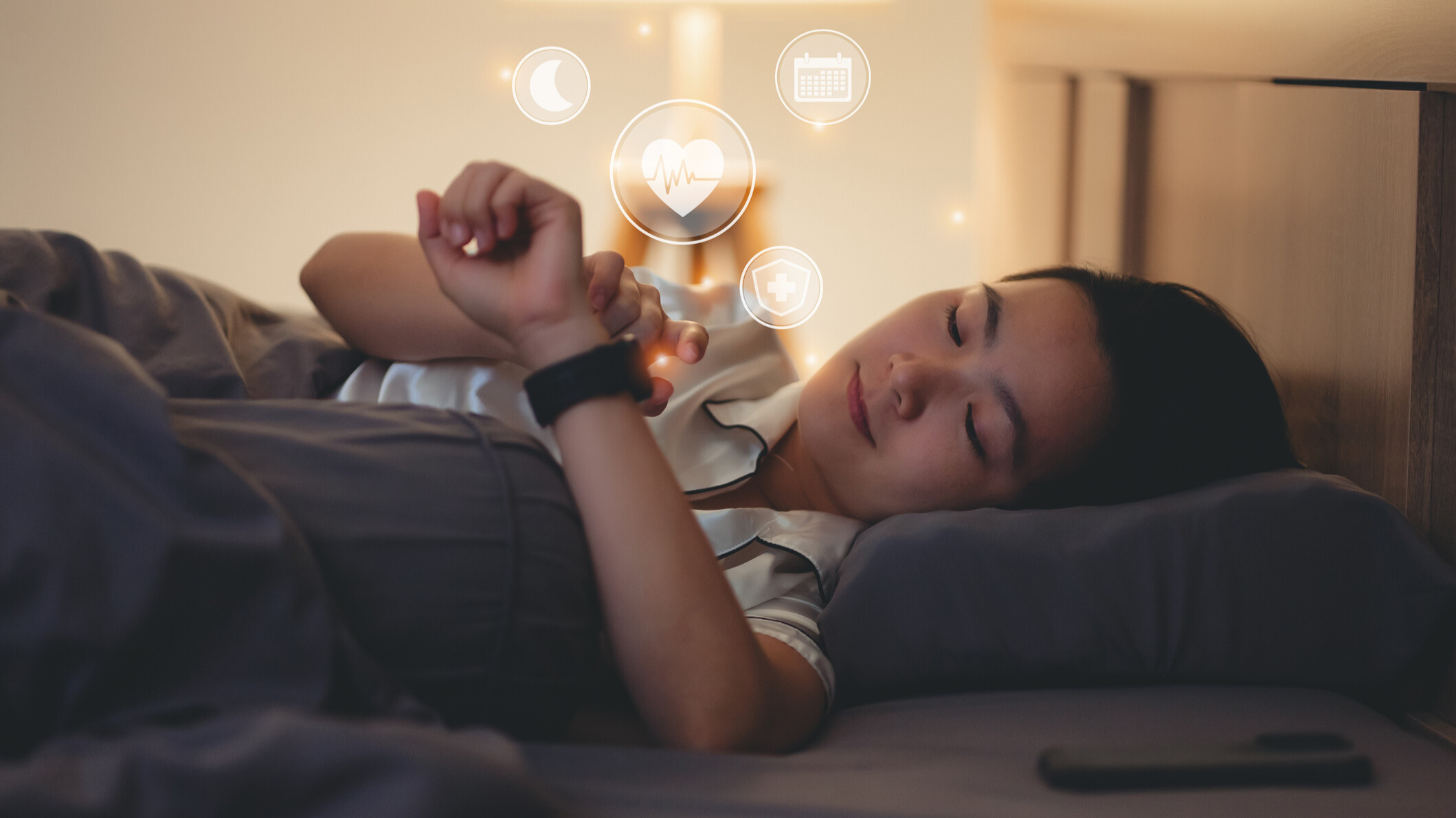
She adds that over-checking can lead to orthosomnia, a term that describes the stress and sleep disruption that occurs when you become fixated on improving your sleep score.
"When used sensibly, [sleep trackers] can improve awareness and encourage positive habits, but they should never become a source of anxiety in themselves,” she says.
"The goal should be better sleep, not perfect sleep.”
Sleep tech our Tom's Guide team has tested and loved