When Nigel Farage announced he was resigning as an MP, only to stand again in the same constituency, he claimed it was a move to take back control and stick two fingers up the establishment by proving voters were on his side.
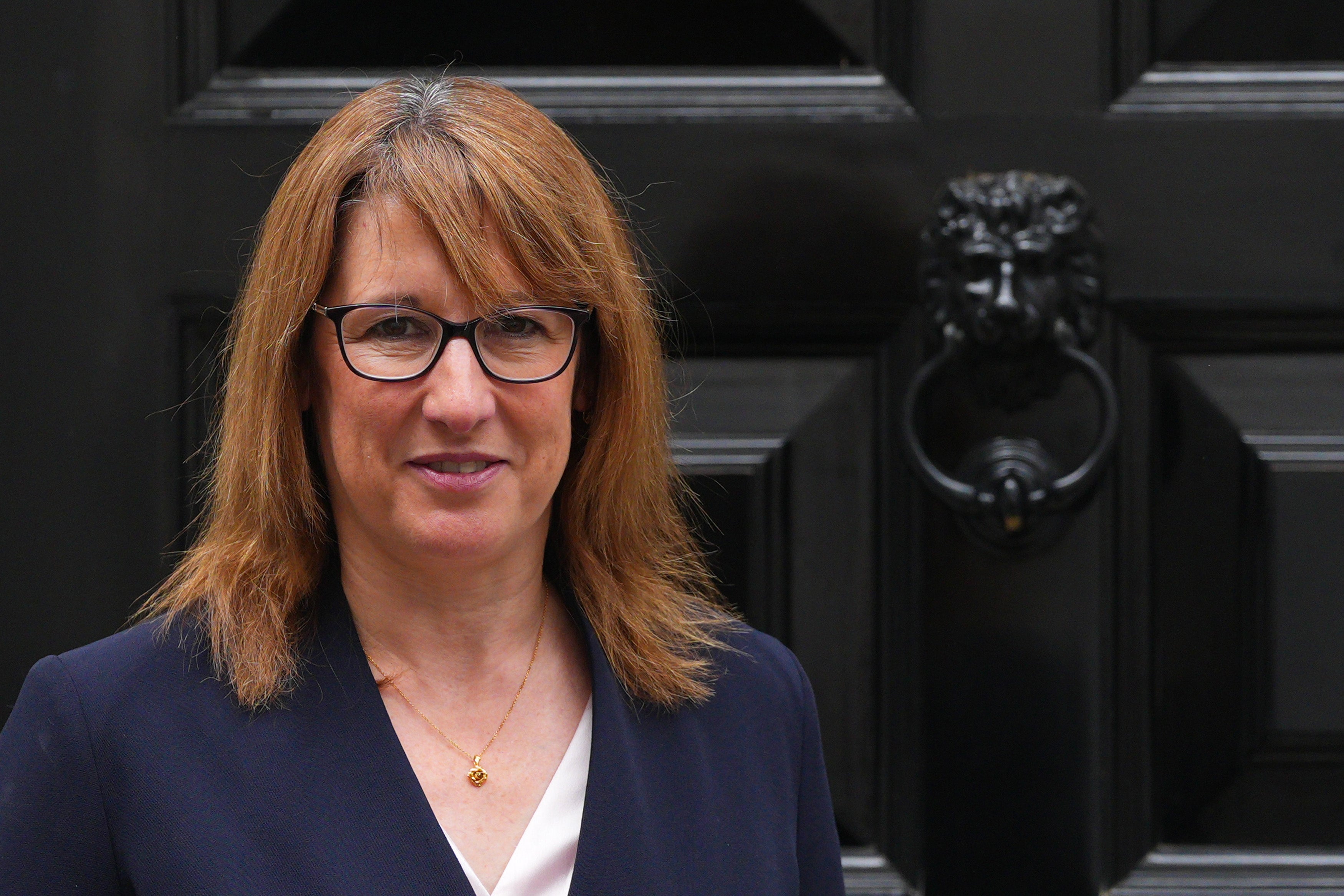
But what he may not have considered is that the power to allow him to quit and trigger a by-election actually lies in the hands of Labour chancellor, Rachel Reeves.
Under an arcane parliamentary procedure which dates back to the 1620s, her office is ultimately in charge of whether or not an MP can quit. The move would be extraordinary, forcing Mr Farage to remain in parliament.
But that is exactly what Labour ministers and opposition parties are urging Ms Reeves to do – to deny him his “gimmick” Clacton vote until the outcome of a parliamentary “sleaze” probe into the Reform UK leader – at least temporarily.
Critics backing such a move say the “people of Clacton deserve the facts” before they go to the polls.
Why does Farage want a by-election?
In his resignation speech on Tuesday, the Reform leader accused his opponents of using the parliamentary investigation against him as a “political tool”.
He is facing questions over a £5m gift from a crypto-billionaire and support provided by a convicted fraudster, George Cottrell.
He insists he has done nothing wrong, but if he is found to have broken strict parliamentary rules, his punishment could trigger a series of events that ultimately leads to a by-election in his seat.
Calling the by-election himself seems to be an attempt to grab the initiative and prove the public is on his side. He even said it would be a “people versus the establishment” election.
But critics claim the vote should not go ahead until the investigation into Mr Farage has been completed. It has been suspended until this by-election has concluded, although it will resume if he is re-elected.
Why is the chancellor in charge of whether an MP can resign?
As they are elected members of parliament, MPs are in theory unable to resign and must become disqualified if they wish to leave Westminster while parliament is sitting.
To do so, they must be appointed to be Steward and Bailiff of the Three Hundreds of Chiltern.
Holding the Chiltern Hundreds, or the similar Manor of Northstead title immediately disqualifies a person by law from being an MP and therefore removes them from the House of Commons.
And the person who appoints these positions is the chancellor. That was why in 2023 the then-chancellor Jeremy Hunt appointed Boris Johnson to the Chiltern Hundreds when he resigned.
What are ministers and opposition MPs urging Reeves to do?
Labour minister Chris Bryant posted on X, formerly Twitter, that there is precedent for the chancellor to block an MP’s resignation.
“The chancellor refused to appoint Henry Cadogan MP for Reading to the Chiltern Hundreds in 1842 because he believed the MP was attempting to vacate his seat to conceal corrupt financial compromises and electoral bribery,” he wrote.
His message was also reposted by another minister, Labour MP Angela Eagle. However, it seems to have been later deleted.
Liberal Democrat leader Sir Ed Davey has also written to Ms Reeves to urge her to refuse to let Mr Farage resign as an MP while the investigation, by parliament standard’s commissioner, is ongoing.
He said: “The chancellor has the power to stop Farage’s cynical ploy. I’ve written to her this morning urging her to act.
“Farage should not be allowed to resign until the investigation into his dodgy dealings has concluded. The people of Clacton deserve the facts first.”