
There are few experiences as exciting as stepping into a brand-new car for the first time. The spotless interior, the untouched seats, and that unique scent instantly create a feeling of luxury and freshness. Many people believe manufacturers spray a special perfume inside every new vehicle. Surprisingly, that is not true. The famous smell is actually the result of hundreds of different materials slowly releasing tiny chemical compounds into the air. From leather seats and plastic dashboards to carpets and adhesives, every component contributes to the signature aroma. The story behind this scent is far more fascinating than most people realize
The Science Behind the "New Car Smell"
The characteristic odor comes from a process called "off-gassing." During manufacturing, materials like plastics, vinyl, synthetic fabrics, rubber, and foam contain compounds known as Volatile Organic Compounds, or VOCs. As these materials settle into their environment, they slowly release microscopic particles into the air. Your nose picks up this complex blend and identifies it as the familiar new car scent. A single vehicle can contain hundreds of different chemicals, each contributing a tiny part to the overall fragrance. Together, they create an aroma that many people instantly associate with something new and expensive. Interestingly, the smell is strongest during the first few months because off-gassing happens fastest when the materials are fresh.
Why Every Brand-New Car Smells Slightly Different

Have you ever noticed that one luxury sedan smells different from a compact hatchback? That happens because every manufacturer uses a unique combination of materials. Premium cars often include genuine leather, higher-quality wood finishes, and different adhesives. Budget-friendly models may rely more heavily on synthetic fabrics and plastics. Even the climate where a car is built can affect the final scent. Heat during transportation can accelerate off-gassing, slightly changing the aroma before the car reaches the dealership. Some luxury automakers even carefully choose interior materials that produce a pleasant natural smell, knowing customers often connect scent with quality.
Is the Smell Actually Safe?
While the new car smell is generally harmless for most people, scientists have studied its chemical makeup for decades. The VOCs released by interior materials can include compounds such as formaldehyde, benzene, and toluene. In very high concentrations, prolonged exposure to some of these chemicals may cause headaches, irritation, or dizziness in sensitive individuals. The good news is that modern automotive regulations have pushed manufacturers to reduce harmful emissions significantly. Most new vehicles today produce much lower levels than older models. Experts often recommend keeping windows open occasionally during the first few weeks of ownership to improve ventilation and allow the compounds to dissipate more quickly.
Why Humans Actually Love the Smell

The attraction to new car smell is not only chemical but psychological. Humans naturally connect scents with memories and emotions. The aroma of a new vehicle often represents achievement, financial success, or the excitement of starting a new chapter in life. Researchers call this the "Proust Effect," where certain smells trigger powerful emotional responses and vivid memories. For many people, buying a first car, taking a family road trip, or driving home from the dealership becomes deeply linked with that unique scent. Over time, the smell itself becomes a symbol of happiness and accomplishment. This emotional connection is so strong that some companies have even created air fresheners designed to imitate the smell of a new car.
Why the Smell Eventually Disappears
No matter how much owners love it, the famous scent is temporary. As weeks and months pass, the VOCs responsible for the smell gradually evaporate. Sunlight, heat, and airflow speed up this process by helping the chemicals disperse into the atmosphere. Parking a car outside on hot summer days can make the scent fade faster because higher temperatures increase off-gassing. Eventually, the interior develops its own unique smell, shaped by daily use, perfumes, food, cleaning products, and the people who spend time inside the vehicle. Ironically, the disappearance of the new car smell is actually a sign that the interior materials have become more stable.
The Hidden Chemistry Behind Your Favorite Car Scent
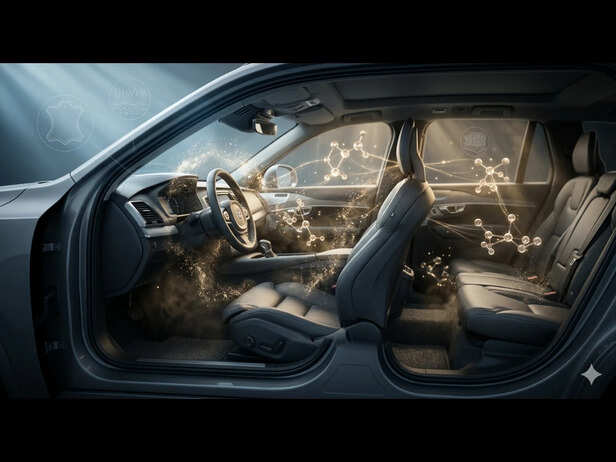
The famous new car smell is not a secret fragrance sprayed by automakers. It is the natural result of hundreds of materials releasing tiny chemical compounds into the air through a process called off-gassing. What makes this scent so special is not just science but emotion. It represents fresh beginnings, achievement, and unforgettable memories. That combination of chemistry and psychology explains why so many people treasure those first moments behind the wheel of a brand-new vehicle. The next time you step into a new car and take a deep breath, remember that you are experiencing a fascinating blend of modern engineering, material science, and the human mind itself.
Unlock insightful tips and inspiration on personal growth, productivity, and well-being. Stay motivated and updated with the latest atMy Life XP.