Why are oil, gold and silver prices down today, and will Brent futures, US WTI crude and precious metals prices continue to drop or rise again? This question is being asked across commodity markets after oil and precious metals declined following developments involving the United States and Iran. Investors are also watching inflation data, interest rate expectations and global demand forecasts. Oil prices fell as concerns about military escalation eased. Gold and silver also moved lower as traders focused on inflation risks and the possibility of higher interest rates. These factors are shaping the outlook for commodities in the coming weeks.
Market reacts to easing tensions between the US and Iran
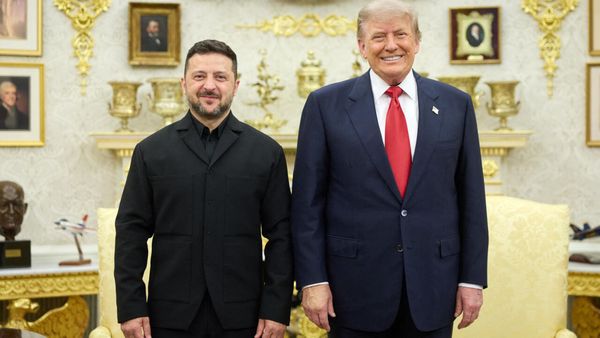
Oil prices extended losses after U.S. President Donald Trump said planned military strikes on Iran had been cancelled. The announcement reduced fears that the conflict could expand and disrupt global energy supplies. Brent futures fell by $2.11, or 2.3%, to $88.27 a barrel. US WTI crude dropped by $1.90, or 2.2%, to $85.81 a barrel. Trump said discussions with Iran had progressed and that a peace agreement could be signed as early as the weekend. Such a deal could reopen the Strait of Hormuz for shipping activity.
The market reacted quickly because the Strait of Hormuz remains one of the most important routes for global energy transportation. Around one-fifth of global oil and liquefied natural gas shipments normally move through this waterway. For months, restrictions and disruptions in the area have supported higher energy prices. News suggesting a possible reopening reduced concerns about immediate supply shortages. However, uncertainty remains. Iran stated that it had not yet made a final decision regarding any agreement.
Why are oil, gold and silver prices down today?
Oil prices fell mainly because traders reduced the geopolitical risk premium that had been built into the market. When military conflict threatens major oil-producing regions, traders often expect supply disruptions and bid prices higher. Once the possibility of conflict decreases, prices usually move lower. Iran had previously announced the closure of the Strait of Hormuz and warned that ships attempting to pass through could face action. Reports also indicated that Iranian forces stopped a tanker from transiting the strait without coordination.
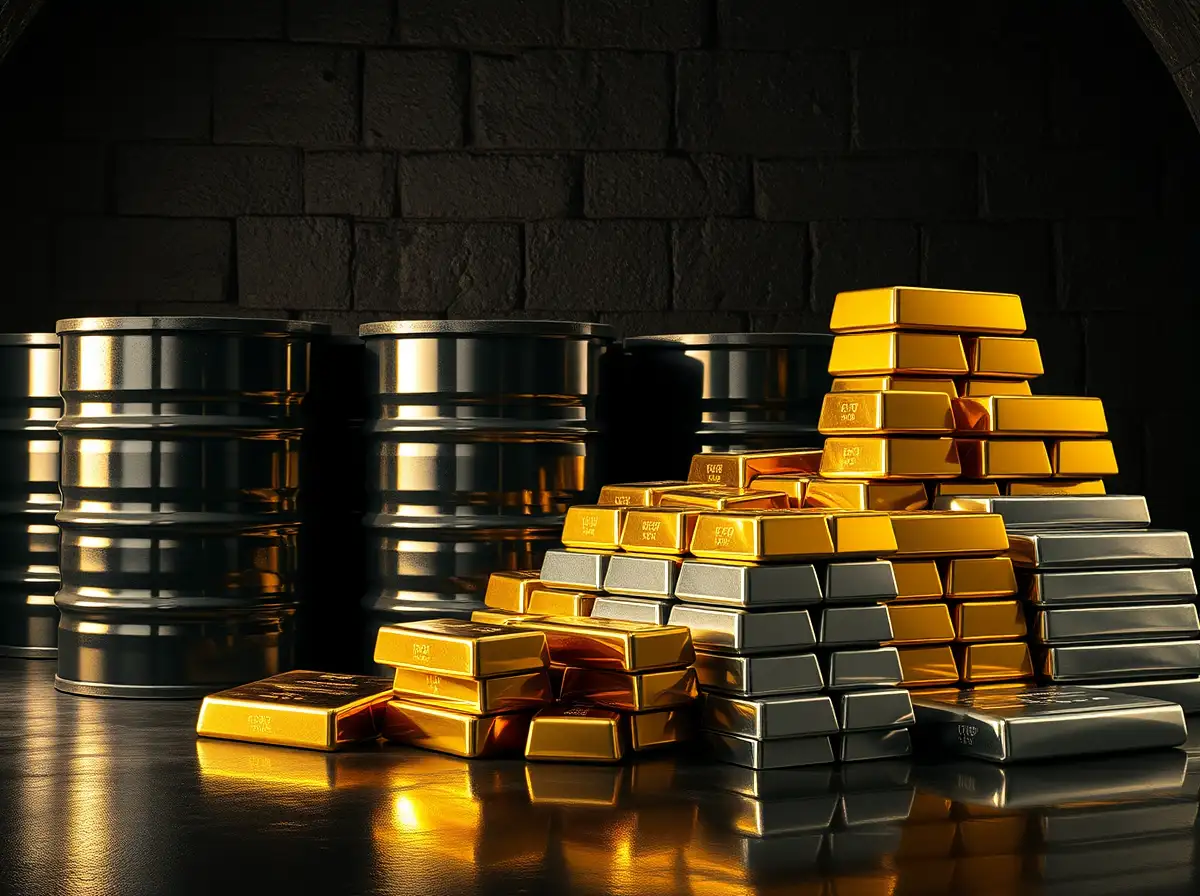
At the same time, the U.S. military said commercial shipping continued to move through the waterway. Gold and silver prices also moved lower, although for different reasons. Spot gold fell 0.8% to $4,182.47 per ounce and was heading for a weekly loss of 3.4%. Spot silver declined 0.9% to $66.78 per ounce. Gold often benefits during periods of uncertainty. When fears about conflict ease, some investors move away from safe-haven assets. In addition, concerns about inflation and possible Federal Reserve rate hikes have increased pressure on gold prices. Gold does not provide interest income. When interest rates rise, holding gold becomes less attractive compared with interest-bearing investments.
Will Brent futures, US WTI crude and precious metals prices continue to drop or rise again?
The answer depends on several factors. For oil, much depends on developments involving Iran and the Strait of Hormuz. If shipping routes reopen and tensions continue to ease, oil prices could remain under pressure.
However, analysts warn that the situation remains fragile. Any breakdown in negotiations could quickly bring supply concerns back into the market. Some market experts believe oil could move higher later in the year if supply disruptions continue. Analysts at ING noted that oil markets may reach a critical point by late July if normal oil flows do not resume. They believe inventories and seasonal demand could push prices toward $120 to $130 per barrel under such circumstances.
Technical analysts are also watching support levels in the low $80 range. If prices remain above those levels, some market participants believe the upside risk remains intact. For gold and silver, future price direction will depend largely on inflation trends and Federal Reserve policy. Recent U.S. producer price data showed stronger-than-expected increases during May. Rising energy costs contributed to the increase. Market participants are currently pricing in a 60% probability of a U.S. interest rate hike in December. If the Federal Reserve signals tighter monetary policy, gold could face additional pressure.
Analysts insights and market outlook
Analysts continue to offer mixed views on commodity markets. Tony Sycamore of IG said the market reaction to potential peace developments had been swift. He added that despite the recent correction, risks could still remain tilted toward higher oil prices if support levels hold. Edward Meir of Marex said gold is currently being driven by geopolitical headlines. He noted that any signal from the Federal Reserve pointing toward higher rates could push gold below the $4,000 mark.
Meanwhile, investment institutions are adjusting forecasts. ANZ lowered its year-end gold price target by $400 to $5,200. The revision reflects recent market volatility and changing expectations. Another sign of softer sentiment came from ETF flows. Holdings in SPDR Gold Trust, the world's largest gold-backed exchange-traded fund, declined by about 0.3% to 923.89 metric tons.
In other precious metals, platinum gained 0.4% to $1,725.99 per ounce, while palladium rose 1.7% to $1,290.15. Palladium has gained around 5% during the week. OPEC also updated its demand outlook. The organization lowered its forecast for 2026 global oil demand growth to 970,000 barrels per day from 1.17 million barrels per day. This marked the second consecutive reduction. However, OPEC raised its forecast for 2027 demand growth to 1.73 million barrels per day, suggesting stronger consumption in later years.
What should investors do now?
Investors may need to monitor several developments before making decisions. The first is progress in negotiations between the United States and Iran. Any agreement affecting the Strait of Hormuz could influence oil prices significantly. The second is inflation data and Federal Reserve policy. Higher inflation and interest rates could continue to affect gold and silver prices.
The third factor is global demand. OPEC forecasts, inventory levels and economic growth expectations will remain important drivers of commodity markets. Commodity markets remain sensitive to geopolitical developments, economic data and central bank decisions. As a result, oil, gold and silver prices may continue to experience sharp movements in the near term.
FAQs
Q1. Why did Brent futures and US WTI crude prices fall today?
Brent futures and US WTI crude prices declined after Donald Trump cancelled planned strikes on Iran, reducing fears of supply disruptions and easing concerns surrounding the Strait of Hormuz.
Q2. What could determine the next move in gold and silver prices?
Gold and silver prices will depend on inflation trends, Federal Reserve interest rate decisions, geopolitical developments, ETF investment flows and broader demand for precious metals worldwide.