
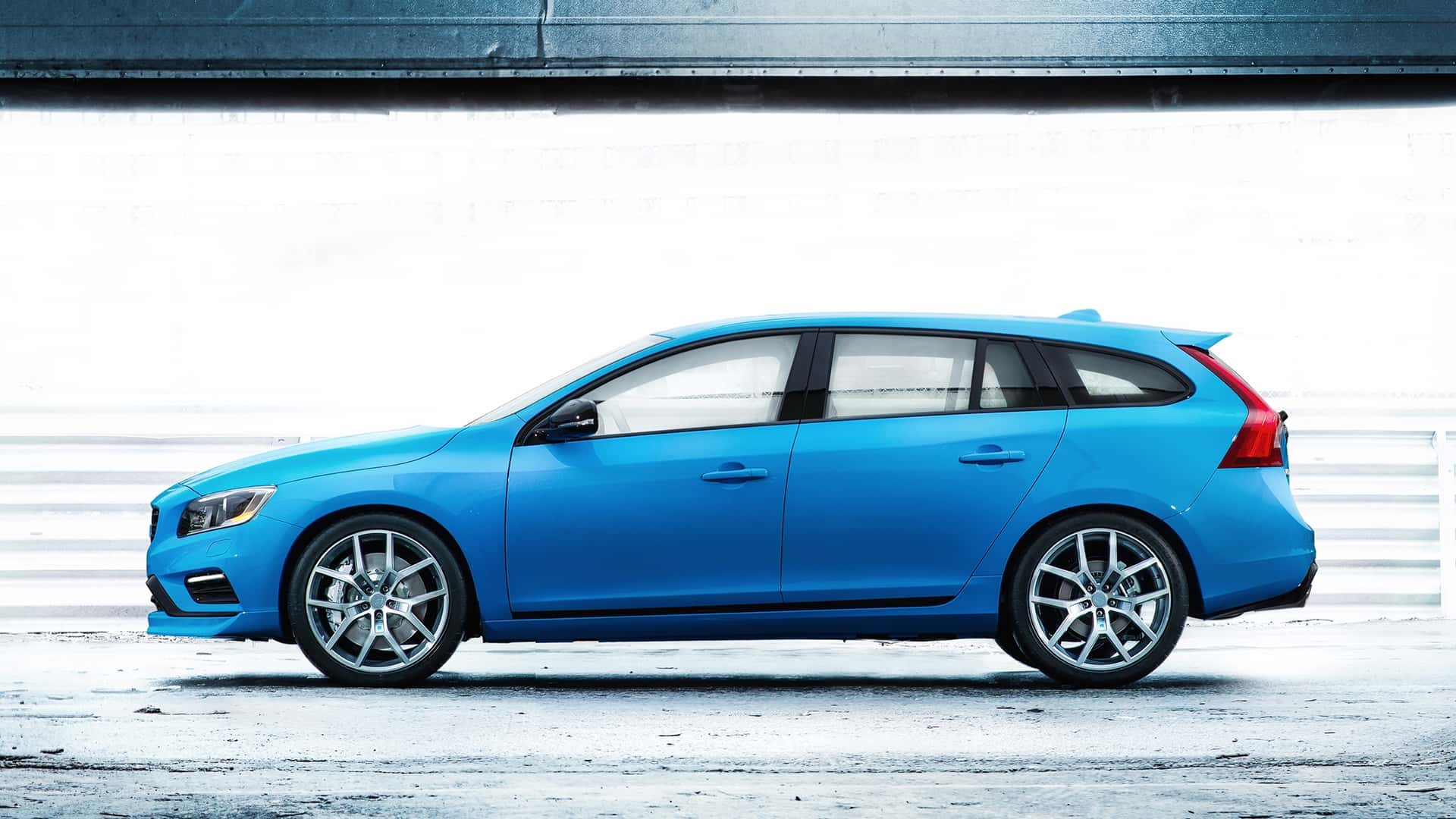
Ever since the Ford Explorer crawled out of the Jurassic Park-era ooze (circa 1991), the US car-buying market has been obsessed with the SUV. There were others before it, but it's safe to say SUVs like the Explorer pushed things to a new level.
That consumer shift has led to the slow death march of all things wagon. It's a real shame, because a wagon is the car buyers actually should want. Even if their minds remain locked in on a perceived desire for a sport utility vehicle, wagons drives better while offering the same level of useful utility.
Volvo understands that better than anyone; the Swedish automaker is responsible for some of the most memorable wagons on the planet. Now, there's reason to believe the lovely longroof could be ready for a comeback. Speaking to Motor1, Volvo CEO Håkan Samuelsson says:
'Probably the US consumers know better, but I think we believe that the market may have gone a bit too far into a single SUV market. I don't think 10 years from now, we will only have SUVs from Volvo.'
His reasoning makes sense beyond my own personal desire to simply see more wagons on offer in our market. He continues:
'So I think for various reasons, we need the lower cars. So air resistance is one, because we talked about range, and, of course, if you have a lower front area, it's easier. Everything is easier.'
Samuelsson goes on to say that he believes a generational change lies ahead. As more buyers buck against their parents' SUVs, the market could potentially "shift back" to wagons, he says. Samuelsson notes that the company is currently "looking into" more wagons. He says:
'I think it's not revealing too much that I think we will not only have SUVs 5 years from now.'
If you're as much of a fan of wagons as I am, these are great words to hear.
Motor1's Take: It's been sad to watch American shoppers move away from the wagon. Here's hoping Samuelsson is right that a shift back to these brilliant machines is just down the road. Even if Mercedes-Benz happens to believe the opposite.