A TikTok creator from Iowa, known as @captain.t.roll3, recently posted a video claiming that a local restaurant charged him an $11.16 fee for being a regular non-tipper. The video has gained over 3.4 million views and sparked a heated debate online about tipping culture in the United States.
In the TikTok video, the creator says, “So I come to this restaurant pretty often, and I never leave a tip,” and then points out a charge on his receipt, adding, “But I noticed on my receipt this time, they charged me an $11.16 non-tipper fee.” He described the situation as “insane,” noting that the charge was roughly 10% of his total bill.
In his caption, he wrote, “I’m gonna tell them to bring you back another copy of my receipt and remove this charge because this should not be legal.” However, it is worth noting that a non-tipper fee is not a real or common practice in the restaurant industry. The video appears to be part of a satirical series the creator makes to spark conversation around dining topics.
Tipping culture in the US has become a deeply divisive issue
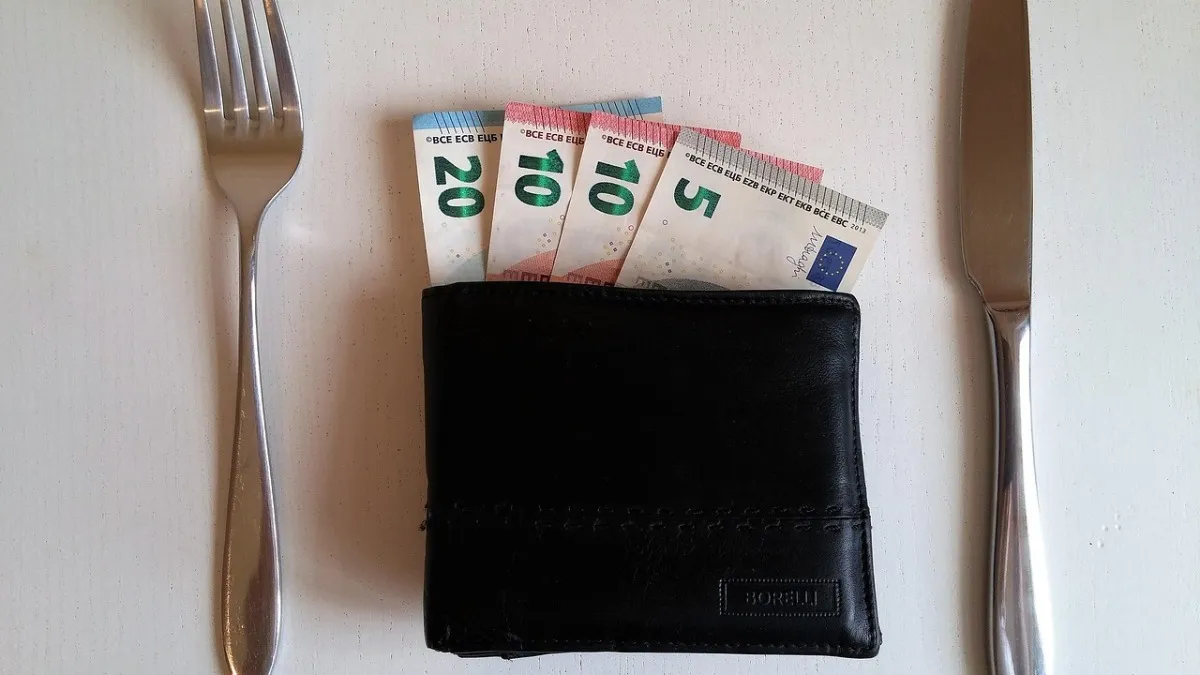
The video touched a nerve because tipping is already a major point of tension in American dining. Many diners know that tipped workers can earn as little as $2.13 per hour, with tips expected to make up the rest. Still, a growing number of people are choosing not to tip, which has led to strong reactions on both sides.
One viewer commented, “tipping is not a thing here. respectfully do they not get a salary? just trying to understand,” while another suggested that fast food is always an option for those who want to avoid extra costs. On the other side, some defended the choice not to tip, with one person writing, “Ppl forget tipping is optional, not required. And if the service sucks I’m not tipping.”
While the fee in the video is not real, there is a legitimate practice called automatic gratuity that diners should know about. This is a legal service charge that restaurants often apply to large parties, usually six or more people. Because it is classified as a service charge rather than a tip, customers are legally required to pay it.
Under IRS rules established in 2012 and put into effect in 2014, automatic gratuity is treated as a wage rather than a tip. This means the money is technically the restaurant’s property, and owners can decide how to distribute it. Iowa has also been making headlines lately for other consumer-related frustrations, like the case of an Iowa couple blindsided by the condition of their new home.
According to WebstaurantStore, when a restaurant uses automatic gratuity, they must also pay their staff at least the local minimum wage, unlike the standard model where employers can pay below minimum wage because tips are expected to fill the gap. Iowa has also been in the spotlight for other public moments, including a JD Vance speech where he forgot a candidate’s name mid-endorsement.
If you ever see an unexpected charge on your bill, the best step is to check the menu, receipt, and any posted notices before paying. Restaurants are generally expected to display their automatic gratuity policies on the menu or inform guests before ordering. If a charge was never disclosed, you can raise the issue with the restaurant or contact your local Attorney General’s Consumer Protection Division.