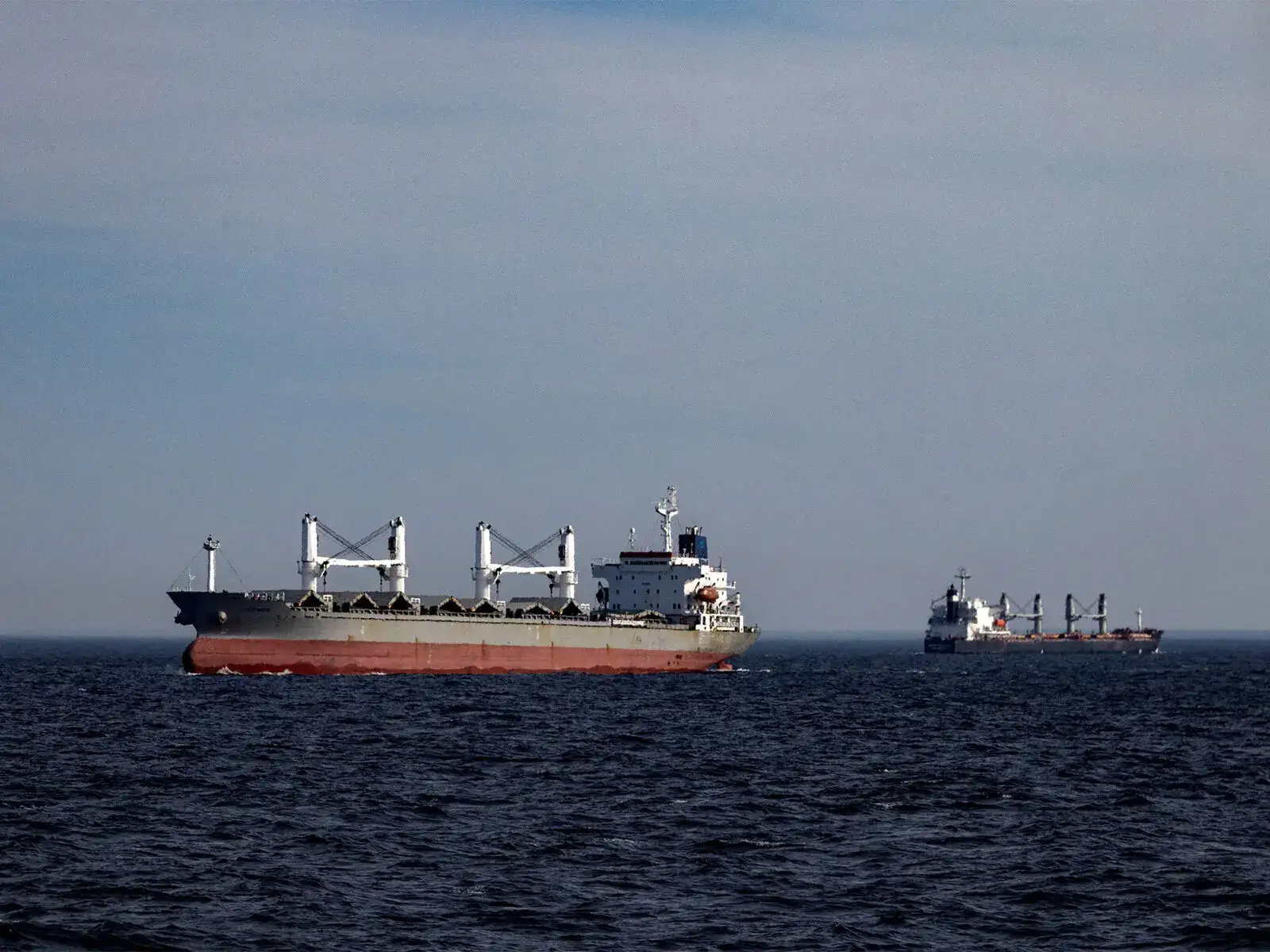
The renewed U.S. sanctions waiver regarding Russian oil exports is unlikely to materially increase Russia's exports as shipments are already running close to infrastructure limits, traders said, citing shipping data. The United States this week issued a third extension of a waiver allowing limited trade in Russian crude. U.S. Treasury Secretary Scott Bessent said the move was intended to support "energy-vulnerable" countries affected by the Iran conflict, reversing earlier plans not to renew the measure.
As in previous versions, the waiver permits purchases of Russian crude and petroleum products subject to U.S. sanctions that were loaded onto vessels by April 17, effectively capping volumes and preventing access to newly loaded cargoes. Market participants said the extension is therefore unlikely to significantly boost exports, as Russia is already maximising shipments to ease pressure on its oil system. Since March, waves of Ukrainian strikes have targeted key refineries and energy infrastructure, disrupting processing and leaving more crude available for export. Exports and transit via Russia's western ports rose by about 150,000 barrels per day (bpd), or roughly 9%, in the first two weeks of May versus April, according to trader data, LSEG figures and Reuters calculations.
Shipments of Urals, KEBCO and Siberian Light crude from Primorsk, Ust-Luga and Novorossiysk - including carry-over volumes - averaged around 2.35 to 2.4 million bpd between May 1 and May 15, up from about 2.2 million bpd in April. Traders said these levels are already close to capacity in the Transneft pipeline system.
"The system is running tight. There isn't much room to push additional barrels," one trader said.
Russia has been boosting crude exports as repeated Ukrainian drone attacks disrupt refinery operations, curbing domestic processing and forcing more oil onto export markets.
At the same time, spare capacity in export infrastructure is diminishing, limiting Russia's ability to increase flows further despite the waiver, sources said. Traders added that maintaining elevated export volumes allows Russia to sustain production, which Reuters previously reported had declined in April.
"Exports are being prioritised to keep output steady," another trader said. "But the ceiling is already in sight."