The US and Iran appear to be making little progress toward an interim deal to end the war Washington and Israel began 100 days ago, as fresh attacks pile pressure on a fragile ceasefire.
The past week saw the worst flare-up in tensions since the truce started around April 8. Negotiations between Washington and Tehran are bogged down over the fate of billions of dollars of frozen Iranian assets and a parallel conflict between Israel and Iran-backed Hezbollah in Lebanon.
US Central Command said early Sunday it downed two Iranian attack drones that threatened international maritime traffic in the Strait of Hormuz, the waterway crucial to global energy exports that’s also been at the heart of discussions.
On Friday, six ballistic missiles fired at Bahrain and Kuwait were intercepted and another failed to reach their intended target, hours after four unmanned craft headed to Hormuz were shot down, Central Command said. The US struck Iranian coastal surveillance radar sites in Goruk and on Qeshm Island, it added.
Also Read | Trump says he would not unfreeze Iran's assets ahead before deal is done
Since the US and Israel began hitting Iran on Feb. 28, Tehran and its proxies have launched missile and drone attacks on oil infrastructure, industrial sites and US military facilities across the Gulf. Saudi Arabia, the United Arab Emirates, Kuwait and Bahrain have all sustained damage.
In Washington, President Donald Trump’s administration is floating a plan to steer Iranian assets frozen in the US toward helping those Gulf allies rebuild from damage inflicted by the Islamic Republic.
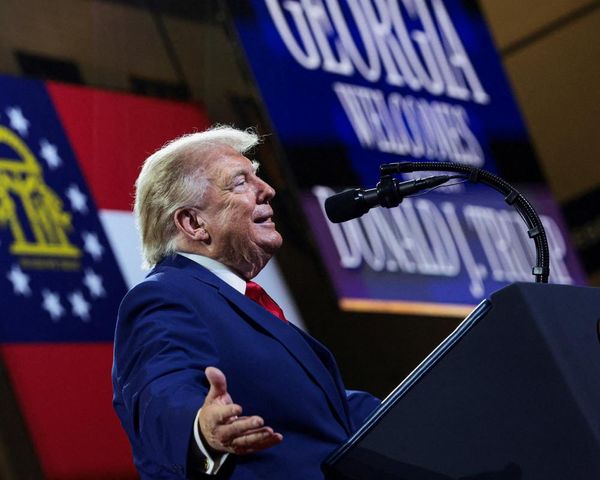
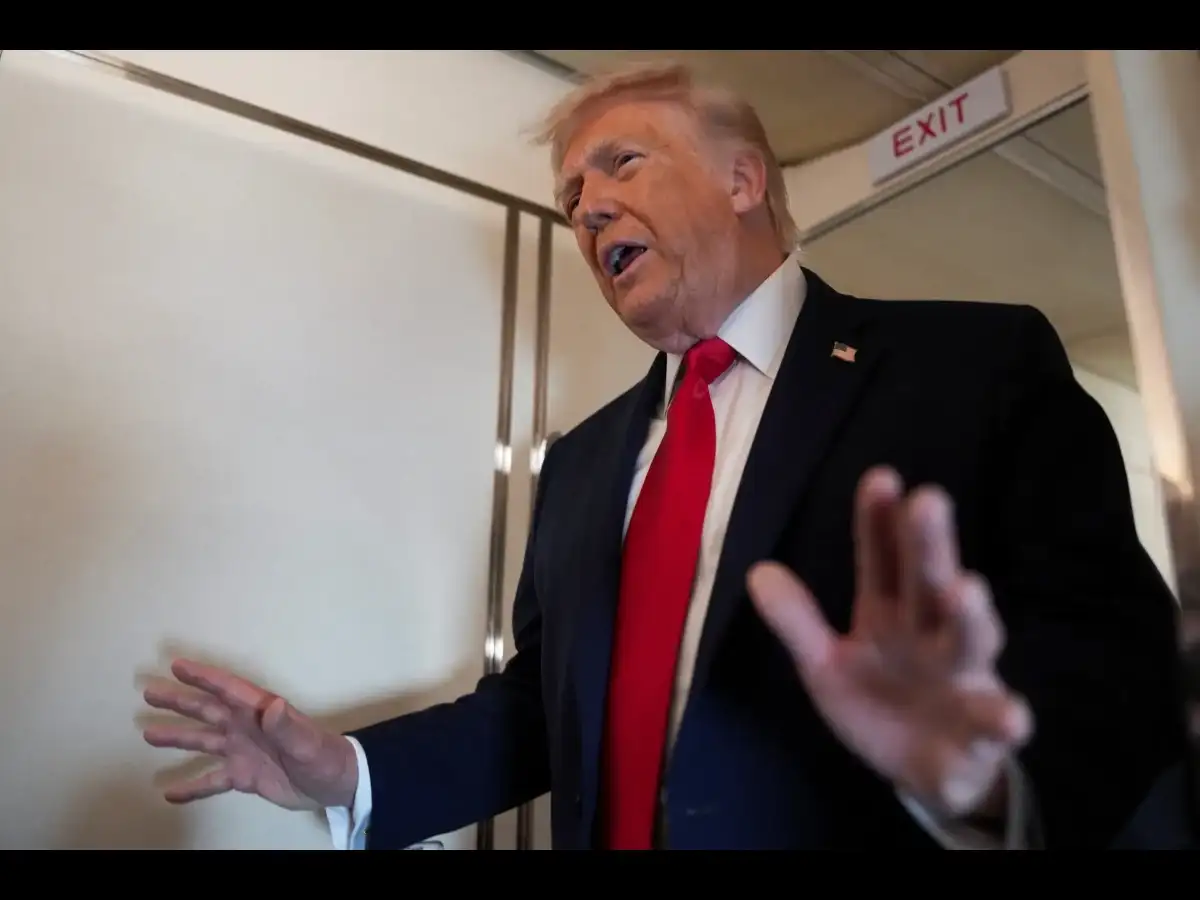
Trump said in an interview broadcast Sunday that he would not unfreeze any Iranian assets or lift any sanctions against Iran as part of an initial deal.
“If they behave, if they do a good job, we start talking” about releasing the assets, Trump told Kristen Welker in the interview taped Friday for NBC’s Meet the Press.
Also Read | Trump urges more 'surgical' strikes against Hezbollah: NBC
Tehran, meanwhile, insists those assets be released. The dispute risks derailing the discussions on a truce extension, reopening the Strait of Hormuz and future talks over Iran’s nuclear program.
Iran’s neighbor Pakistan has played a key mediating role. The Islamic Republic’s foreign ministry said on Sunday that Pakistani Interior Minister Mohsin Naqvi met Iran’s top envoy Abbas Araghchi in Tehran and passed along a letter from his premier to Iran’s supreme leader. There were no further details.