A groundbreaking trial has commenced in the UK and US to test a new bird flu vaccine for humans, with thousands of participants expected to enrol. The study, which particularly encourages poultry farmers and individuals with close contact with birds to sign up, aims to proactively address the growing threat posed by the A(H5N1) strain.
Experts warn that while the virus is "evolving and spreading" rapidly among animals, and does not yet easily transmit between people, the potential for human-to-human transmission must be treated "as a real possibility". This trial represents a significant step in pandemic preparedness.
The vaccine, mRNA-1018, developed by Moderna, utilises mRNA technology similar to that employed in Covid-19 jabs. This innovative approach instructs the body to produce specific viral proteins, thereby training the immune system to swiftly recognise and combat the illness should exposure occur.
The phase 3 trial will involve approximately 4,000 individuals across both the UK and the US. In the UK, 3,000 patients – half of whom will be over 65 – are set to receive the vaccine at 26 sites spanning England and Scotland. The study, backed by the National Institute for Health and Care Research (NIHR) and sponsored by Moderna, will run for seven months, with participants receiving two doses three weeks apart.
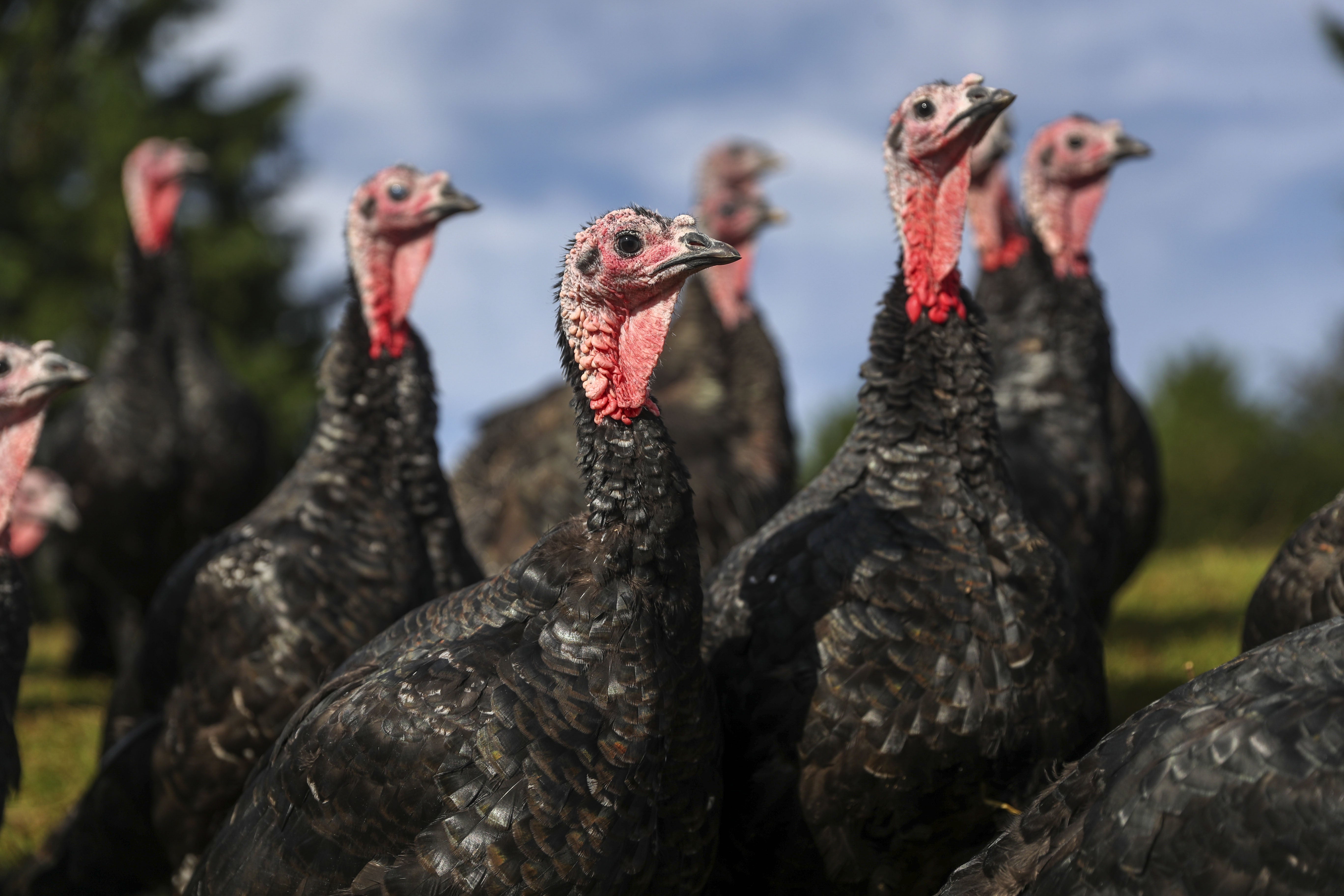
The A(H5N1) strain has become a global concern in recent years, affecting not only birds but also other animal species such as mink and marine mammals. More recently, it has spread to dairy cows in the US, leading to a number of human cases among farm workers in contact with infected cattle.
Dr Hiwot Hiruy, senior director of clinical development at Moderna, stated that early trials of the jab found it to be "generally well tolerated, with most of the side-effects being mild to moderate, and there were no safety concerns". She added: "We also saw that mRNA-1018 induced a strong immune response, and that we were able to pick that immune response as early as seven days after the first injection, and the immune response persisted." Given the rarity of bird flu in humans, researchers will use this immune response as an early indicator of the treatment's likely effectiveness.
Dr Rebecca Clark, national co-ordinating investigator for the trial, emphasised the urgency: "We know that the A(H5N1) strain is evolving and spreading across animal species, and though it does not yet move easily between humans, we have to treat human-to-human transmission as a real possibility. This trial is our proactive attempt to shield against that possibility, and any future pandemic that could emerge from it." She highlighted the community-based recruitment, moving from traditional hospital settings "into the heart of our communities" to ensure broad participation.
The A(H5N1) bird flu viruses first emerged in southern China in 1996, with the first human infections recorded a year later. Since 2024, there have been 116 confirmed cases of bird flu in people worldwide, almost all linked to close contact with infected animals. Dr Richard Pebody, director of epidemic and emerging infections at the UK Health Security Agency (UKHSA), underscored the importance of such initiatives, stating: "We clearly don’t know when the next pandemic is going to be, we obviously don’t know what it’s going to be caused by, but what we do know is that a flu pandemic is the most likely future pandemic." He noted that while the current risk to humans "remains low," the virus "continues to evolve," and UKHSA remains vigilant.
Towards the end of 2024, the Government announced a contract for over five million doses of an H5 influenza vaccine, though this uses more traditional technology. Dr Hiruy pointed out the advantage of mRNA vaccines, which can be produced faster and adjusted rapidly to new strains, offering an "additional tool in pandemic preparedness."