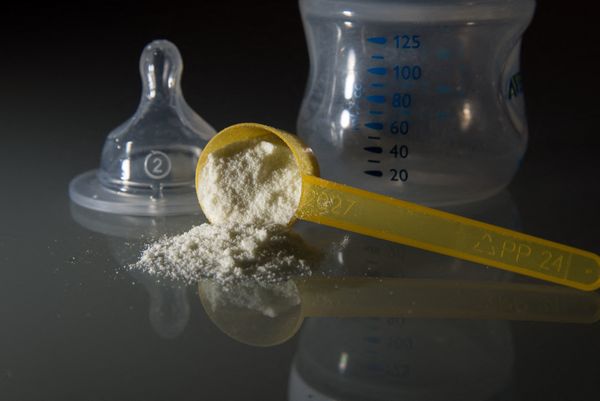
As the calendar turns to January 1st, millions of Americans resolve to eat healthier, lose weight, and join a gym. Grocery retailers anticipate this massive shift in consumer behavior and adjust their pricing strategies accordingly. Just as turkeys are expensive in November and chocolate is pricey in February, “wellness” foods see a predictable price surge in January. This “Resolution Tax” affects specific categories of health foods, meaning that your good intentions can cost you significantly more if you buy the wrong items at the wrong time.
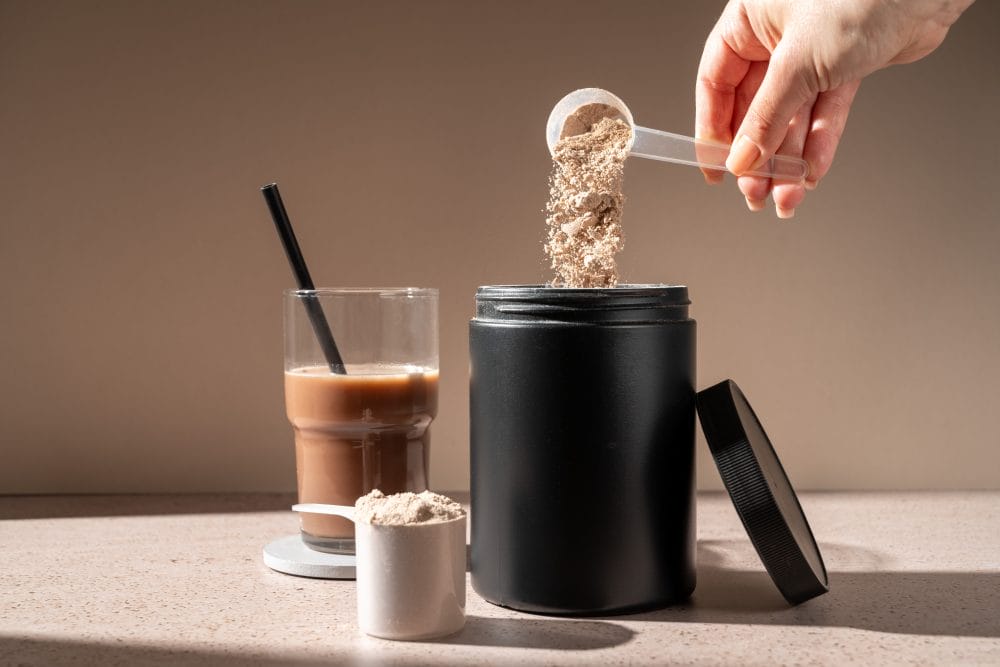
The Protein Powder Premium
January is the absolute peak sales month for protein powders, shakes, and bars. In 2026, demand is higher than ever due to the popularity of GLP-1 weight loss drugs, which require users to maintain high protein intake. To capitalize on this influx of new customers, retailers often reduce the depth of discounts on these items. A tub of whey protein isolate that might have been on sale for $25 in October will likely sit at its full retail price of $35 throughout January. If you use supplements regularly, the last week of December is your final chance to stock up before the “New Year” pricing takes hold.
The Salad Green Spike
Demand for bagged salads, kale, and spinach skyrockets in the first two weeks of the year as people attempt to pivot from holiday cookies to clean eating. While supply is generally stable, the lack of “loss leader” promotions means you will pay top dollar for that convenient bag of greens. Retailers know you are committed to your diet right now, so they have no incentive to offer “Buy One, Get One” deals on produce until late February when resolve starts to fade. You are paying a convenience tax for the pre-washed, pre-chopped salad kit simply because demand is inelastic.
The “Diet Brand” Markup
Frozen meals branded as “Lean,” “Fit,” “Keto,” or “Paleo” see their prime shelf placement in January. Manufacturers often launch new product lines during this window at a premium introductory price. Unlike standard frozen meals, which are reliable budget staples (often around $3.00), these diet-specific versions often command a price of $5.00 to $7.00 per box. You are often paying for the “portion control” marketing and the specialized label rather than the quality of the ingredients, which are frequently just standard proteins and vegetables.
The Detox Juice Scam

January is also prime time for “juice cleanses” and “detox” beverages. The beverage aisle fills with single-serve green juices, turmeric shots, and probiotic waters that cost $4 to $6 per serving. These items offer marginal health benefits compared to eating whole fruit, but they sell volumes in January due to the psychological desire for a “reset.” Buying these items daily can add $30 or $40 to your weekly grocery bill. It is essentially flavored water and sugar.
Gym and Pharmacy Cross-Merchandising
Grocery stores are increasingly blurring the lines between the food aisle and the pharmacy. In January, you will see end-caps filled with vitamins, collagen peptides, and hydration multipliers. They will be right next to the healthy foods. These impulse items are high-margin add-ons. A shopper grabbing a bag of apples is lured into buying a $25 container of collagen. That is because it is merchandised as a “wellness essential,” significantly inflating the cost of the trip.
Smarter “Healthy” Shopping
To avoid the Resolution Tax, skip the branded diet foods and focus on whole ingredients that aren’t marketed as trends. Dried beans, lentils, frozen plain vegetables, canned tuna, and bulk oats are naturally healthy staples that rarely see price spikes because they aren’t tied to the January marketing machine. By cooking from scratch rather than buying “wellness products” in shiny packaging, you can keep your resolution without punishing your wallet.
What to Read Next
New Year Grocery Habits That Lead to Better Savings
New Year Pantry Staples Rising in Popularity
Stop Buying These 5 Healthy Foods If You Really Want to Lose Weight
8 Foods That Used to Be Healthy Until Companies Changed the Recipe
9 Label Tricks That Convince You Something Is “Healthy” When It’s Not
The post The “Resolution Tax”: Why Healthy Groceries Spike in Price Every January appeared first on Grocery Coupon Guide.