The 1920s are often remembered as a glittering whirlwind of jazz sessions, flapper dresses, movie palaces, and champagne poured over crystal staircases. It was a decade that promised endless possibility, a time when new inventions seemed to transform everyday life overnight. Radios crackled in living rooms, Ford assembly lines pumped out cars that the average person could finally afford, and consumer culture swaggered into the spotlight.
But beneath that glamorous shimmer was a delicate financial balance that many Americans struggled to maintain. The decade’s prosperity was real, but so were the costs, pressures, and illusions that came with it.
The Rise of Consumer Culture
The 1920s marked the first time in American history when shopping became a leisure activity rather than a strictly functional necessity. Advertisers began to sell lifestyle instead of utility, convincing people that products could shape identity and status. Department stores flourished as temples of desire, and many Americans bought goods not because they needed them, but because they believed they were supposed to have them. This new consumer mindset encouraged spending beyond means, especially as “buy now, pay later” installment plans grew popular. The shift was thrilling but dangerous, planting seeds of debt that many households quietly ignored.
The Price of Progress and Technology
New inventions like the automobile, radio, refrigerator, and vacuum cleaner were marketed as symbols of modern life, and families were eager to keep up. These goods made daily life easier, but they also carried significant upfront and long-term costs. Even when monthly payment plans made them seem affordable, interest added up quickly and quietly. Owning these devices also reshaped expectations; what was once considered a luxury soon became viewed as a necessity. The emotional pressure to appear modern played a powerful role in fueling economic strain.
Urban Living and Its Hidden Expenses
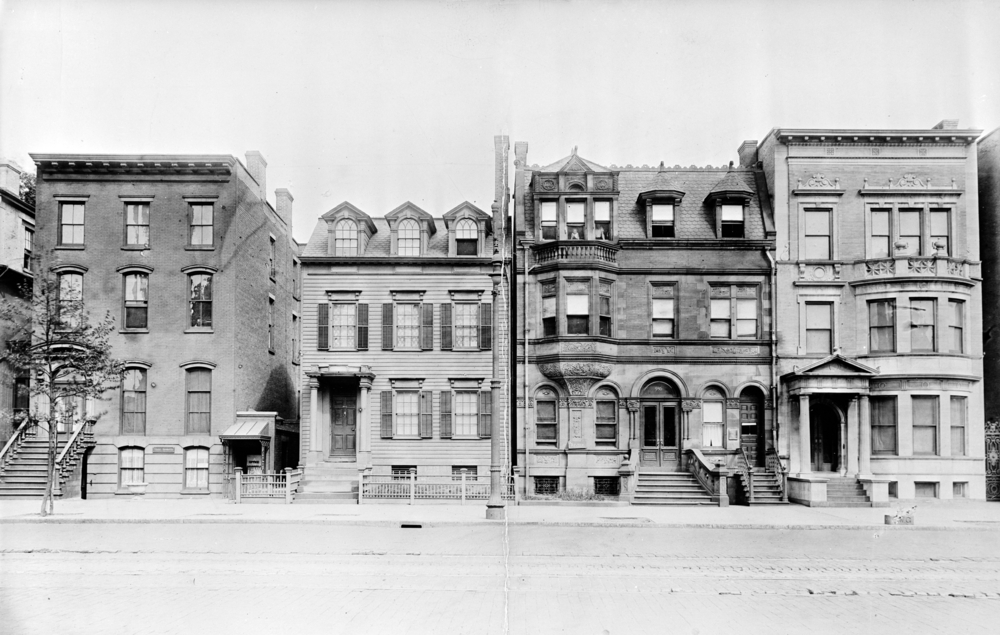
Cities expanded at record speed during the boom years, attracting people with promises of excitement, better jobs, and modern convenience. But urban life came with higher housing costs, transportation fees, fashion expectations, and entertainment temptations. Apartment living often required residents to buy new types of furnishings and décor to “fit in” with the city’s modern aesthetic. Social life in cities also became tied to spending—going out, dressing well, and experiencing nightlife were practically cultural obligations. The cost of belonging became just as real as rent.
The Automobile’s Double-Edged Impact
Owning a car was one of the most transformative experiences of the 1920s, symbolizing independence, freedom, and personal success. But buying a vehicle was only the beginning, as gasoline, insurance, repairs, and maintenance quickly added to the bill. Roads were improving, but not everywhere, meaning drivers frequently paid for repairs caused by rough travel conditions. Social norms also shifted, transforming the car into a status symbol that encouraged people to upgrade as new models appeared. The automobile expanded horizons, but it also expanded budgets in ways many Americans did not anticipate.
Fashion, Identity, And Social Pressure
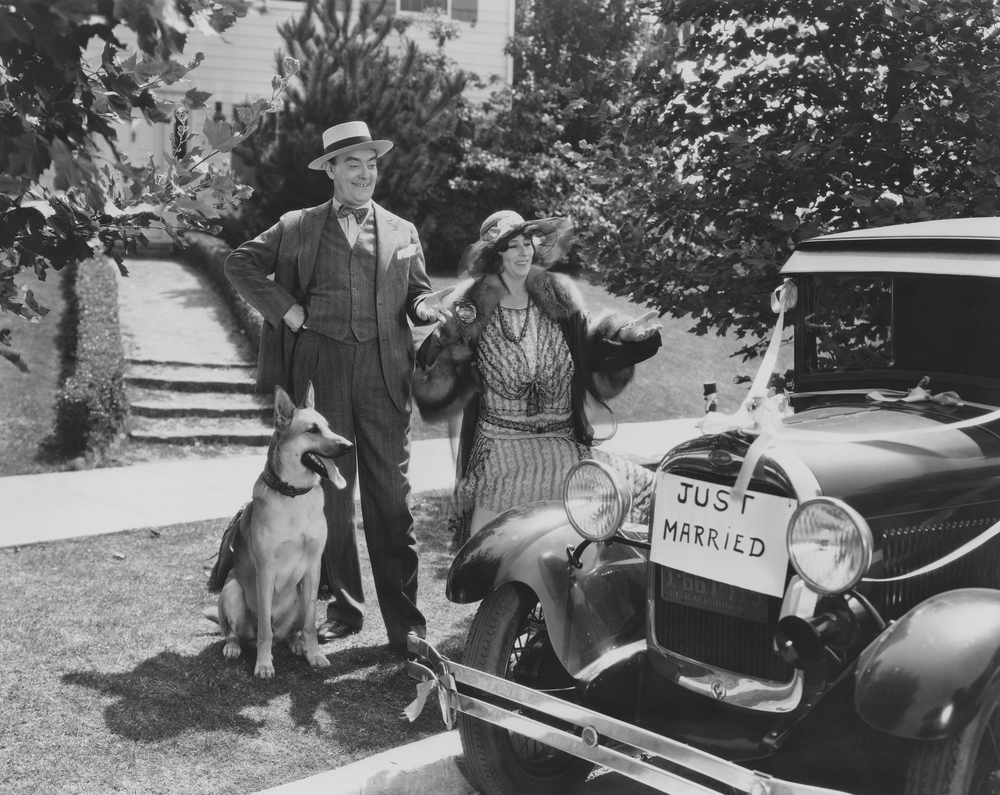
The flapper look and sleek, modern menswear became icons of the era, but maintaining style was costly. Clothing trends changed more quickly than ever before, driven by film stars, advertising, and the rapid pace of urban culture. Young people especially felt pressure to dress in ways that communicated energy, modernity, and relevance. Tailored garments, cosmetics, hats, and accessories created ongoing financial responsibilities, especially for those seeking social inclusion. Fashion in the 1920s wasn’t just self-expression; it was a performance that required continual investment.
Income Inequality Behind the Glamour
While the decade is remembered for its abundance, the prosperity was not evenly distributed. Wealthy industrialists and business owners enjoyed extraordinary growth, while many farmers and working-class families saw wages stagnate or decline. Rural America, especially, struggled as crop prices fell and technology replaced farm labor. Even in cities, many workers lived paycheck to paycheck despite the illusion of widespread success. The cultural narrative of universal prosperity masked economic fragility and growing financial divides.
The Stock Market as a Cultural Fantasy
The stock market became a national obsession during the boom years, transforming financial speculation into a mainstream hobby. Many Americans believed investing was a guaranteed path to wealth, often borrowing money to buy stocks on margin. Magazines, politicians, and public figures fueled the optimistic belief that the economy could only rise. What people didn’t see was how unstable the system truly was, stacked on layers of borrowed capital and emotional euphoria. The stock market wasn’t just a financial engine—it was a cultural dream that set the stage for future collapse.
The Illusion of Endless Prosperity
The idea that progress would never slow became one of the most powerful beliefs of the decade. People planned their lives under the assumption that wages, investments, and national wealth would keep climbing. This optimism encouraged spending, borrowing, and risk-taking that felt harmless at the time. But the foundation of that optimism was thinner than anyone wanted to admit. When the bubble burst in 1929, the crash didn’t just break the economy—it shattered a cultural identity built on the promise of unstoppable growth.
The High Price of a Dazzling Era
The 1920s may glitter in hindsight, but the shine came with a personal and cultural cost that shaped the nation’s future. The decade’s excitement, progress, and consumer culture were real, but so were the financial pressures that quietly strained households everywhere. Understanding the true cost of living during the era helps us see beyond the nostalgic glamour into the emotional and economic complexity underneath. Many of the spending habits and cultural expectations forged during the 1920s still influence American life today.
What fascinates you about the Roaring Twenties? Share your thoughts, reactions, or family stories in the comments below.
You May Also Like…
What Is The Cost of Living In North Carolina in 2024?
What Was the Cost of Living Increase in 2023?
7 Tech Devices That Cost More Than They’re Worth
7 Ways American Schools Are Breaking Federal Guidelines
What States Are Quietly Doing With Abandoned Inheritances
The post The Real Cost of Living in America’s 1920s Boom Years appeared first on Everybody Loves Your Money.