

Cats are often misunderstood as distant or indifferent, but the truth is far more emotional. They form deep bonds, notice small changes, and remember how we make them feel. The problem is not lack of love. The problem is human habits. Many things we do every day feel normal to us but stressful or even frightening to cats. Understanding these moments is the first step to becoming someone your cat truly feels safe with.
Forcing Physical Affection
Humans express love through hugs, kisses, and holding tight. Cats do not. When we grab them, pick them up without warning, or pull them close when they are not in the mood, it creates anxiety. Cats prefer choice. They want to decide when to come close and when to leave. Forced affection makes them feel trapped, not loved. Over time, this can damage trust, even if the cat does not immediately react.
Staring Into Their Eyes
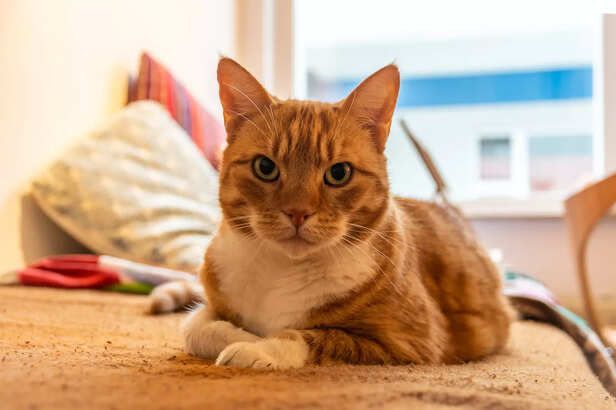
In the human world, eye contact shows attention and honesty. In a cat’s world, prolonged staring feels like a challenge or a threat. When we lock eyes with cats for too long, especially without blinking, it can make them uncomfortable. Cats communicate safety through slow blinking. When humans learn to blink slowly instead of staring, cats often respond with calmness and affection.
Sudden Loud Noises
Cats have extremely sensitive hearing. Sounds that feel normal to us can feel overwhelming to them. Loud music, shouting, clapping, vacuum cleaners, or sudden laughter can trigger stress. Even dropping objects or slamming doors can send a cat running for cover. Repeated exposure to loud noise can make cats anxious in their own home, which should be their safest space.
Ignoring Their Need For Routine
Cats thrive on predictability. Feeding time, playtime, and rest create a sense of control in their world. When humans change routines frequently, forget meals, or randomly shift schedules, cats feel unsettled. What looks like flexibility to us feels like chaos to them. Routine gives cats emotional security, and breaking it too often can lead to behavioral issues.
Overstimulating During Play

Playtime is essential, but too much intensity can overwhelm cats. Constant touching, rough play, or ignoring signs like tail flicking and ear flattening pushes them beyond comfort. Cats communicate boundaries subtly. When humans miss these signals, play turns into irritation. This is often when scratches or bites happen, not because cats are aggressive, but because they feel unheard.
Using Strong Scents
Cats experience the world through smell. Strong perfumes, room fresheners, incense, cleaning chemicals, and even scented litter can be overpowering. What smells fresh to humans can feel suffocating to cats. Strong scents can confuse them, mask familiar smells, and increase stress. Cats prefer neutral, familiar environments that smell like home.
Punishing Instead Of Understanding
Yelling, spraying water, or punishing a cat for behavior like scratching or knocking things over does not teach discipline. It teaches fear. Cats do not connect punishment with past actions. They only associate it with the person delivering it. This damages trust and can make cats hide or become defensive. Understanding why a cat behaves a certain way is always more effective than punishment.
Not Respecting Their Alone Time
Cats need solitude. They rest deeply and value quiet moments. When humans constantly interrupt their sleep, move them from comfortable spots, or demand attention, cats feel overstimulated. Alone time is not rejection. It is how cats recharge emotionally. Respecting this makes their affectionate moments more genuine.
Changing Their Environment Too Often
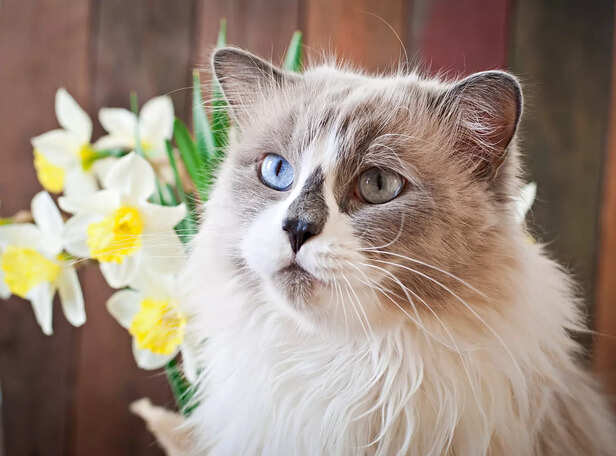
Rearranging furniture, moving litter boxes, or frequently introducing new pets or people can be unsettling. Cats attach themselves to spaces and familiar layouts. Sudden changes make them feel disoriented and unsafe. Even small shifts can cause anxiety. Gradual transitions help cats adjust without stress.
Ignoring Their Body Language
Cats speak constantly through posture, tail movement, ears, and eyes. Humans often overlook these signs. A twitching tail, flattened ears, or sudden stillness are warnings. Ignoring these signals leads to misunderstandings and broken trust. Learning to read body language is one of the most loving things a human can do for a cat.
Treating Them Like Dogs
Cats are not small dogs. They do not crave constant approval or obedience. Training methods, expectations, and affection styles that work for dogs often fail with cats. When humans expect cats to behave like dogs, frustration grows on both sides. Accepting cats for who they are creates harmony.
Forcing Social Interactions
Not all cats enjoy meeting strangers. Forcing them to interact with guests, children, or other animals can cause stress. Cats prefer to observe before engaging. Giving them the freedom to hide or approach at their own pace helps them feel safe and respected.
Inconsistent Litter Box Care
Cats are extremely clean animals. A dirty litter box is not just unpleasant; it feels unacceptable to them. Skipping cleaning, using strong-smelling litter, or placing the box in noisy areas can cause distress. When cats avoid the litter box, it is often a protest, not misbehavior.
Overlooking Their Emotional Sensitivity
Cats feel changes deeply. They notice when humans are stressed, sad, or angry. Ignoring their emotional sensitivity and assuming they are unaffected is a mistake. Cats absorb emotional energy quietly. Creating a calm environment benefits both humans and cats.
Loving Them In Human Ways Instead Of Cat Ways
The biggest mistake humans make is loving cats the way humans want to love, not the way cats want to be loved. Cats value respect, consistency, and choice. When humans adjust their behavior, cats respond with trust, affection, and deep loyalty.
Learning To Love Them Better
Cats do not ask for perfection. They ask for understanding. When humans slow down, observe, and respect boundaries, cats open up emotionally. Love for a cat is not loud or demanding. It is quiet, patient, and deeply rewarding. When we stop doing the things cats hate, we start becoming the humans they choose to love.
Celebrate the bond with your pets, explore Health & Nutrition, discover Breeds, master Training Tips, Behavior Decoder, and set out on exciting Travel Tails with Times Pets!