

Almost all of us may have had those moments when we sit down to study and thoughts about some random unfinished tasks will pop up in our minds. In fact, some of us may reason that "I will listen to some songs or watch a motivational video in YouTube to study better.” However, this ritual of attaining motivation for study can go on for 1 or 2 hours, scrolling through endless YouTube videos or other social media sites. Nevertheless, science has proved that there is a simple and effective habit that you can adopt to develop focus not just for studies, but for all kinds of mentally demanding tasks. Curious to know more about this powerful habit? Read on.
An Easy and Effective Habit for Focus
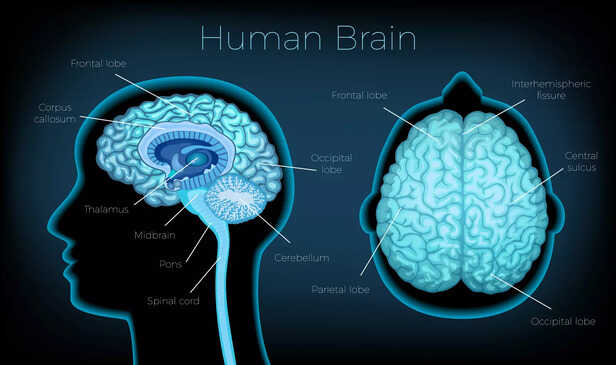
Emerging research has been proving that the simple act of chewing, whether crunchy foods or gum, can enhance alertness and blood flow to the brain. A study published in Biomed Research International in the year 2015 reviewed how brain activity and mastication are related. The researchers pointed out that “Chewing elevates attention or alertness leading to improvements in cognitive performance.”
Similarly, a key neuroscientific study published in Brain Sciences in 2023 evaluated how chewing gum impacts the patterns of the brainwaves that are linked to heightened alertness and concentration. The researchers wrote: “Chewing gum induces increased alpha-wave power, producing a state of relaxed concentration and improving sustained attention.” It should be noted that alpha waves are associated with imagination and long-term focus, along with the ability to regulate emotions. Numerous other studies have also been published on this topic, pin-pointing the relationship between chewing and the brain’s ability to remain cognitively sharp and calm.
How Chewing Helps Us Focus?

Experts say that:
Chewing provides oxygen and important nutrients to the brain through increased blood flow.
It is a side-effect free way to improve alertness instead of using caffeine.
Chewing can result in cortical and hippocampal activation. This helps concentration and memory retention.
Chewing is considered as a sensory stimulus that requires very less amount of effort. This supports the brain in processing information.
Use the Chewing Brain Hack
Researchers tell us that chewing even for five to ten minutes before a cognitively demanding task can help prepare and activate the brain networks related to attention. So, before you start working on an art work or creative meeting, chew one sugar-free gum.
We can also eat crunchy and healthy food items such as nuts, carrots or apples to achieve the same results.
During breaks, add a chewing ritual instead of relying on caffeinated drinks.
Explore the latest trends and tips in Health & Fitness, Spiritual, Travel, Life Hacks, Trending, Fashion & Beauty, and Relationships at Times Life!
Frequently Asked Questions (FAQs)
-
What to eat to increase focus?
To increase focus, consume nutrient-dense foods such as fatty fish, berries, nuts and leafy greens.
-
What is the biggest cause of brain fog?
Brain fog is not a medical condition itself but a symptom caused by underlying factors. Some of the most common reasons for brain fog include chronic stress, lack of sleep, poor nutrition and hormonal imbalances.
-
What is the best drink for your brain?
Green Tea, black tea and pure orange juice are known for their potential benefits in supporting brain health.