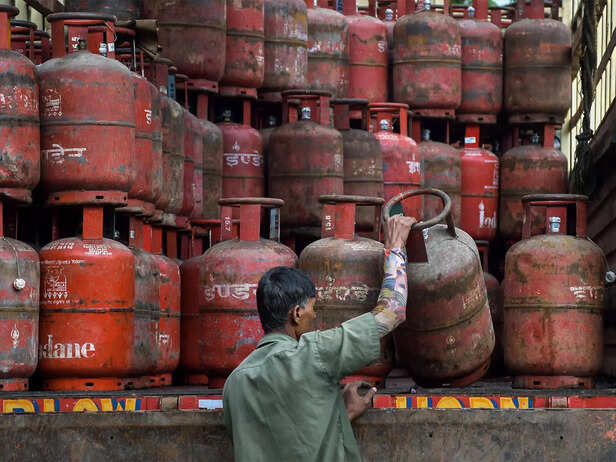
A kitchen rule that once felt unthinkable is now suddenly real. The government has said that if a household does not shift to piped natural gas, or PNG, even after the connection is available, LPG supply to that address can stop after three months. The move is not just about changing how people cook. It is tied to fuel shortages, supply pressures, and a bigger push to expand India’s gas pipeline network faster. The message is simple: where PNG is ready, the era of keeping LPG as the default may be ending.
1. The new rule is much stricter than most households expected
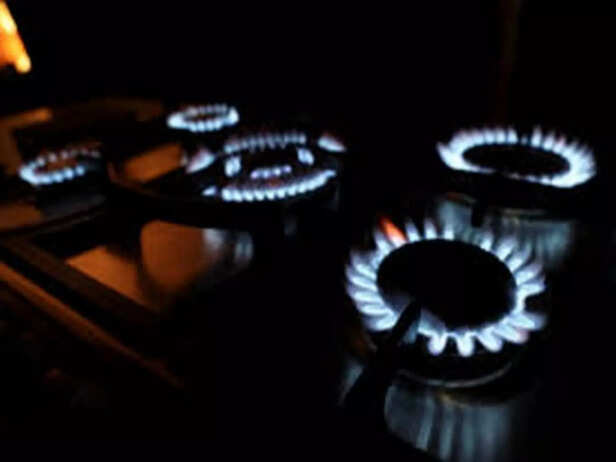
Under the Ministry of Petroleum and Natural Gas’s 2026 order, once an authorised entity informs a household that PNG is available, that home is expected to apply for and obtain the connection. If it does not, LPG supply “shall cease after three months” from the date of that communication. In plain terms, this is not a suggestion to consider PNG someday. It is a time-bound transition rule.
2. This is really about supply stress, not just convenience
The government’s push comes at a time of serious concern over LPG and gas availability. Reports say the new order was issued amid fears of prolonged disruption in fuel supplies linked to damage to liquefaction facilities in the Gulf region and continued blockage of the Strait of Hormuz. That makes this policy less about modernising kitchens and more about protecting limited energy supplies during a fragile period.
3. The idea is to save LPG for places that do not have PNG
One of the clearest reasons behind this rule is redistribution. If homes in pipeline-covered areas move fully to PNG, LPG cylinders can be redirected to consumers in places where piped gas infrastructure does not yet exist. That makes the decision part of a larger energy management strategy. In other words, the government appears to be saying that LPG should go where there is no alternative, while PNG should serve homes that already have pipeline access.
4. There is one important exception that could protect some households
The rule is not absolute in every case. LPG supply will not stop if the authorised entity issues a no-objection certificate stating that it is technically infeasible to provide PNG to that household. The company must keep records explaining why the connection cannot be given, and that NOC can be withdrawn later if the pipeline service becomes possible. So the policy is strict, but it still leaves room for genuine technical limitations.
5. This is also part of a bigger push to expand gas infrastructure faster
The same 2026 order is meant to speed up gas pipeline expansion by easing permissions, standardising charges, and creating time-bound approval mechanisms. That means the LPG-to-PNG shift is not an isolated consumer rule. It sits inside a broader plan to build out pipeline-based fuel distribution more aggressively across cities and towns. The kitchen is where people will feel the impact first, but the real story is a structural shift in how urban energy is being organised.
6. For families, this changes the meaning of fuel choice
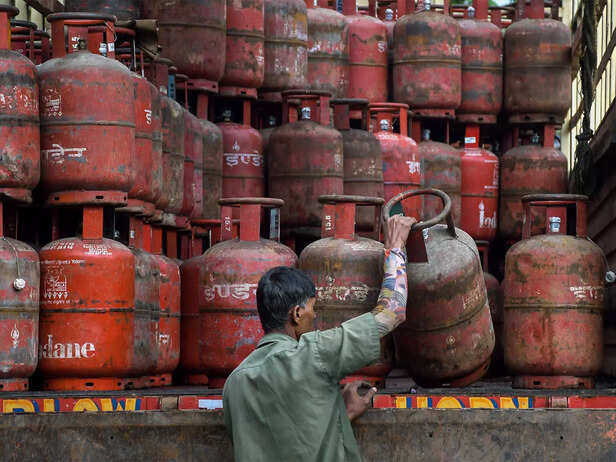
For years, many households saw LPG cylinders as familiar, flexible, and easy to understand. PNG, by contrast, often felt like a city convenience. This rule changes that psychology. In covered areas, fuel choice may no longer be a matter of personal preference. It may become a matter of compliance. That is why this announcement feels so personal. It enters the most ordinary part of daily life, the home kitchen, and turns it into a policy zone. That inference follows directly from the government’s three-month cutoff rule and the way it links household supply to infrastructure availability.