More than 1,600 live primates have been openly listed for sale on U.S. social media networks, bypassing platform bans through disguised accounts, according to a new report.
The study, “Primates for Purchase: The Surge in Sales on Social Media in the U.S.,” was published Tuesday by the Association of Zoos and Aquariums, the International Fund for Animal Welfare and the World Wildlife Fund. It is the first U.S.-only report to analyze the sale of primates via social media.
Researchers monitored activity over a six-week period in mid-2025 and identified 1,614 live primates listed for sale across 1,131 posts on Facebook, Instagram, TikTok and YouTube.
The listings came from 122 social media users. Many of the advertisements were easily located through simple search terms such as “monkey rehoming” or “adoption,” despite platform policies prohibiting the sale of live wildlife.
According to the report, sellers routinely disguised commercial transactions as rescue or rehoming efforts, which allowed the listings to remain publicly visible while bypassing automated platform restrictions.
In response to the findings, TikTok and Google, the parent company of YouTube, stated that wildlife trafficking is strictly prohibited on their platforms.
TikTok does not allow “the promotion, sale, solicitation, or facilitation of access to live animals,” the company said in a statement to The Independent.
Google echoed those enforcement efforts, stating that its employees worked with WWF on a cyber spotting event in June 2025 and, as a result, removed 28 YouTube channels for violating its policies.
“The trade of endangered animals is a driver of biodiversity loss, zoonotic diseases, and funds other forms of illicit crime,” YouTube Policy Communications Manager Boot Bullwinkle said in a statement to The Independent. “We have strict content policies prohibiting the sale of endangered species, and are committed to removing content that violates our policies. We look forward to continuing to partner with WWF on future Cyber Spotter programs and other initiatives to combat this serious issue.”
The report documented 12 different types of primates for sale, including chimpanzees, spider monkeys, lemurs, bush babies, marmosets and capuchins. Macaques were the most prevalent, accounting for 839 individual listings, followed by marmosets at 293 and capuchins at 275. Prices for the animals ranged from $250 to $6,500, depending on the species, age and rarity.
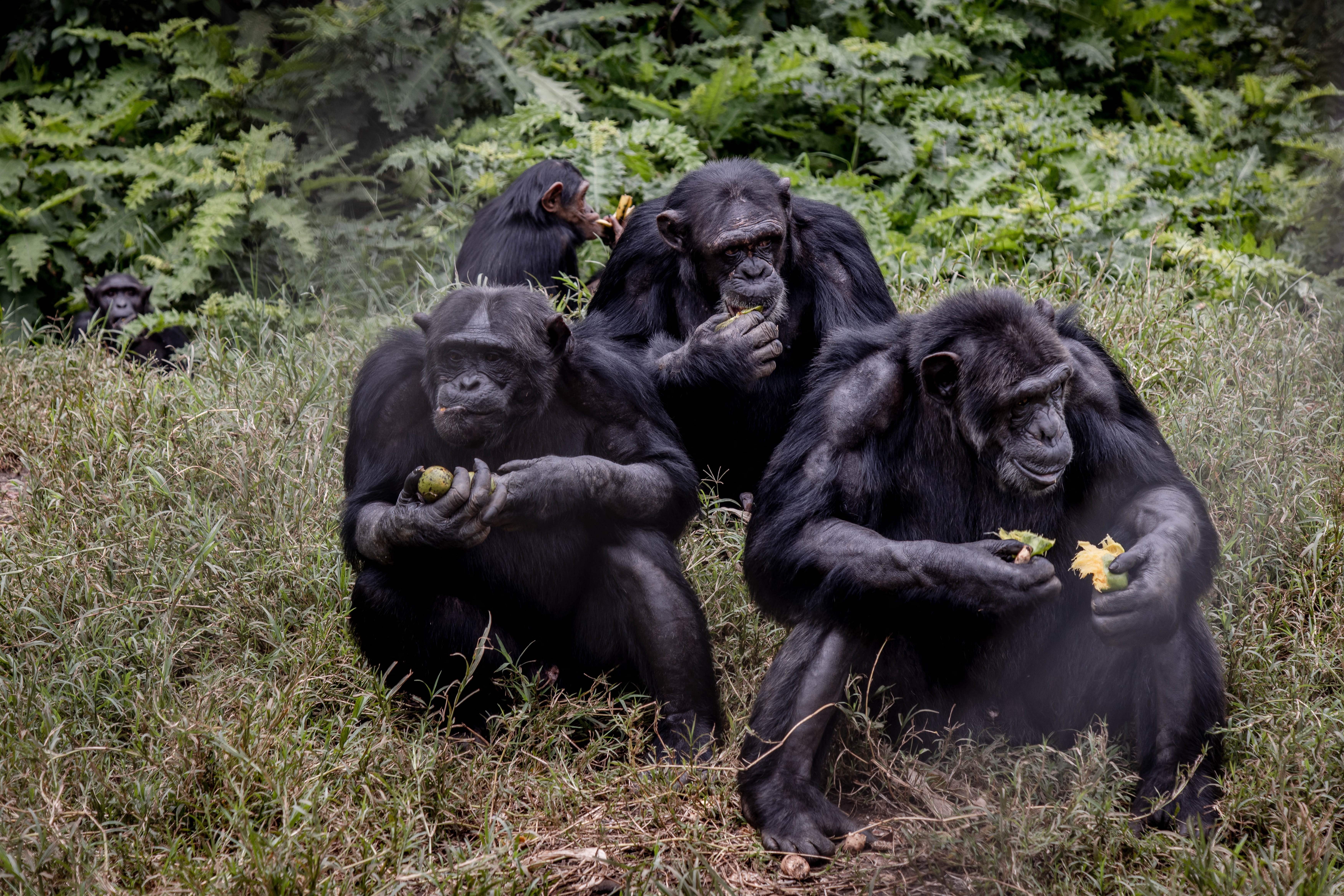
Researchers found that a significant number of the advertised primates were infants or juveniles. According to the report, poachers frequently steal infant primates from their mothers in the wild to exploit a false belief among buyers that younger animals bond more easily with humans. Many of these animals suffer severe trauma or die during smuggling operations before ever reaching buyers, the report claims.
Roughly 60 percent of the world’s primate species are threatened with extinction, and approximately 75 percent have declining populations due to habitat loss, industrial agriculture, logging and hunting, according to Science Advances.
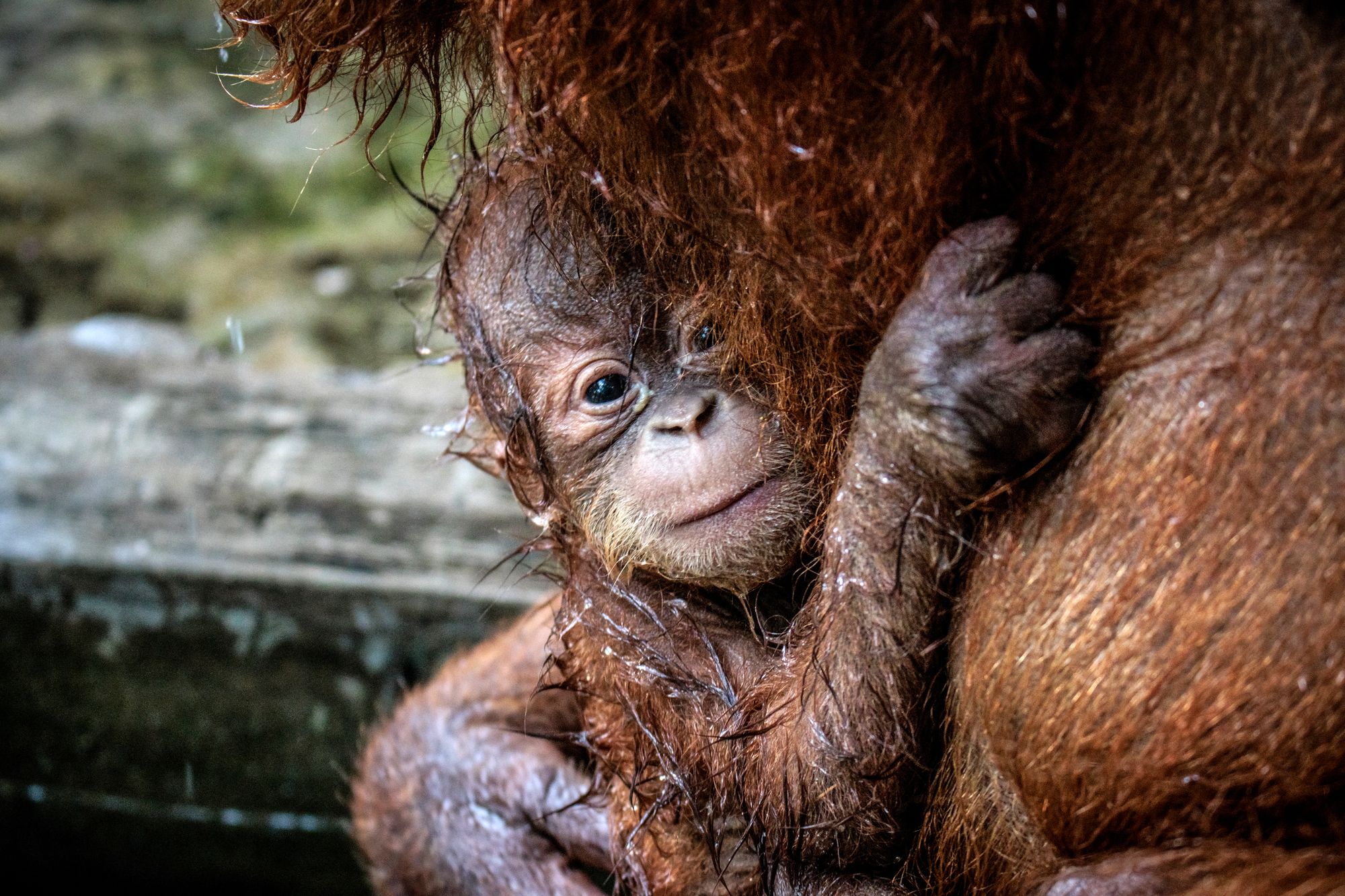
“The ease with which primates are being bought and sold online should be a wake-up call,” Sara Walker, senior adviser on wildlife trafficking at the AZA, said in a statement. “These are complex, long-lived wild animals — not pets — and this growing digital marketplace is fueling demand, causing animals to suffer.”
Walker added that the trade increases pressure on accredited facilities.
“This also increases pressure on zoos and sanctuaries that must care for confiscated wildlife — often for the rest of their lives, since most confiscated primates cannot be returned to the wild,” she said.
The Independent has reached out to Facebook and Instagram for comment.
Representatives from the co-authoring organizations warned that user accessibility is driving a dangerous market.
“All you need is a phone and a social media account to buy a primate in the U.S.,” Danielle Kessler, U.S. country director of IFAW, said. “With just the click of a button, well‑meaning animal lovers can end up in a criminal pipeline where animals pay the ultimate price. This is an industry that thrives on clicks, cash and cruelty.”
Crawford Allan, vice president of nature crimes and policy advocacy at WWF, said that buying a primate online “fuels the killing of mothers, the loss of future generations, and the dangerous myth that primates belong as pets.”
Allan called for state and federal enforcement agencies to receive the funding and specialized cybercrime personnel needed to address the digital trade.
Globally, wildlife trafficking is estimated to be worth about $23 billion annually, ranking among the top five illicit black markets alongside drugs, weapons and human trafficking, according to the report. It also stated that primates were increasingly being smuggled into the U.S. across the Mexican border, and that inconsistent state and federal laws made the trade a “low-risk, high-reward” criminal enterprise.
Ed Newcomer, a former special agent for the U.S. Fish and Wildlife Service, said that wild primates were the latest animals to be put at risk by “ignorant desire and calculated greed.”
“Now is the time for action to prevent the demise of iconic wild species and to keep the public safe from the diseases and injuries primates can cause,” Newcomer said in a statement.
The authors of the study recommended several policy and enforcement measures to curb the trade, including the passage of the federal Captive Primate Safety Act. The report also urged social media companies to expand their prohibited content policies to include all primate species, update automated detection systems to catch circumvention tactics and provide better tools for users to report wildlife sales.