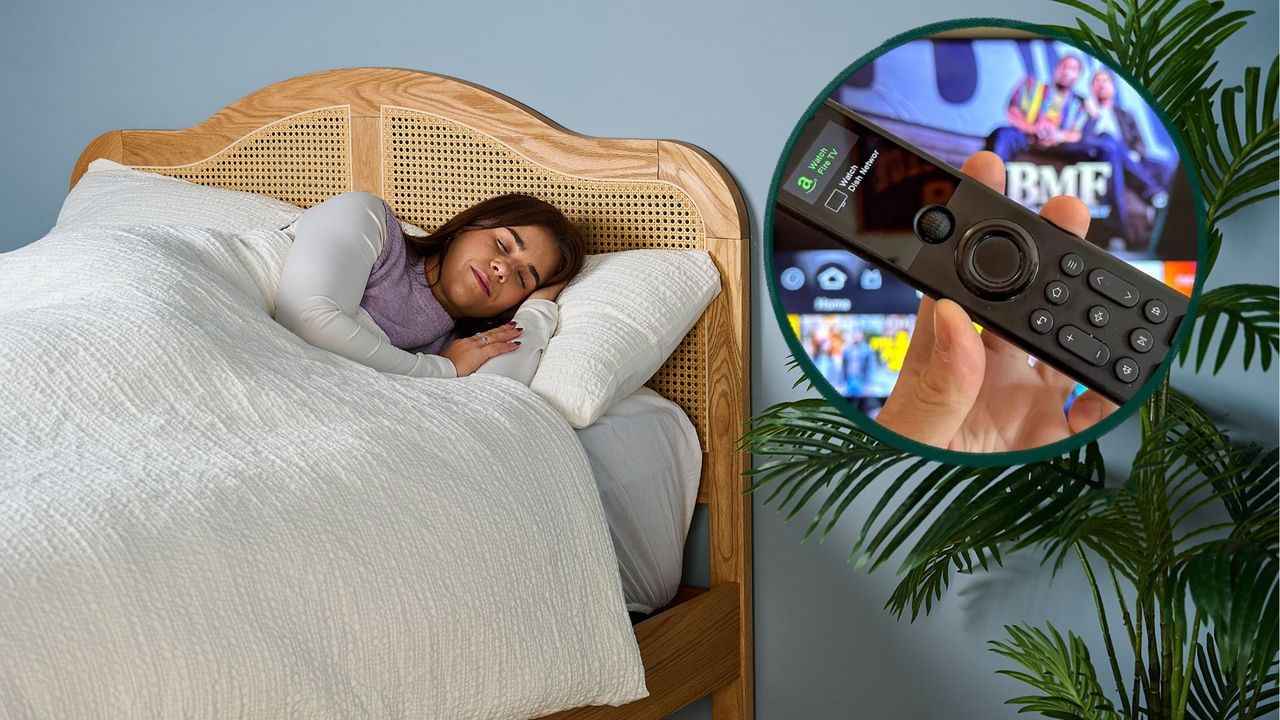
Last week, I asked a neuroscientist to share her gold-standard sleep routine, and her advice was chock full of science-backed sleep tips. However, if you've tried aromatherapy and herbal tea but still find it difficult to drift off, it's important to know that there are alternative sleep aids to try.
"Most people will tell you to meditate or do some breathing exercises for 30 minutes before you go to bed — but if they don't work for you then find something that does," says researcher Hannah Shore, Head of Sleep at MattressOnline.
I recently asked Shore to share her most surprising sleep tips to help you fall asleep fast, from revisiting your favorite TV show to keeping an unusual item on your nightstand. So if going to bed on time and ditching doom-scrolling still can't help you drift off, it's worth giving these tips a go...
Key takeaways: At a glance
- Binge-watching new shows will overstimulate you and keep you awake, but watching reruns of familiar, favorite TV shows stops racing thoughts and actually helps you to switch off, ready for sleep.
- Brush your teeth and wash your face at least one hour before bedtime, so that can just climb into bed as soon as your body is ready for sleep and not wake yourself up again in the bathroom.
- If you can't fall asleep within 20 minutes, get out of bed to prevent your brain from forming a negative association between your bed and trouble sleeping.
- If your middle insomnia is caused by overheating in bed, keep a damp cloth on your nightstand and apply it to your neck and wrists to cool down fast and drift off quickly.
3 unusual tips a sleep expert shares to beat insomnia and fall asleep fast
1. Re-watch your favorite TV show

There's a common misconception that watching TV before bed is the ultimate nighttime don't, especially when considering the sleep-delaying effects of blue light.
However, sleep expert Shore says that this delay is a result of TV consumption habits (read: and binge-watching new shows) rather than watching TV itself. "Watching ‘just one more episode’ of a new TV programme means we lose hours and end up cutting our sleep short."
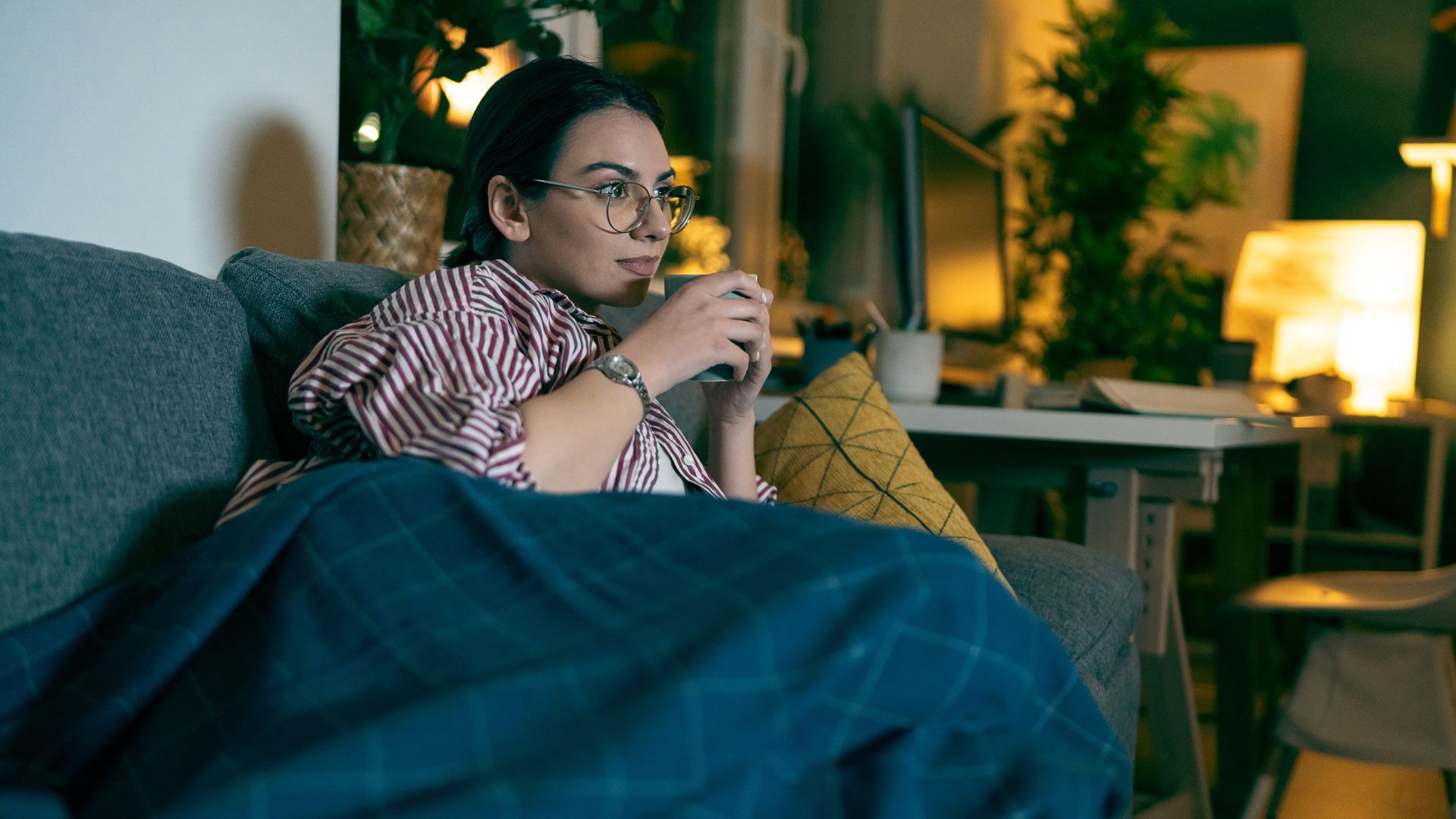
Instead, Shore watches familiar, light-hearted TV shows (including comedies "Friends" and "Brooklyn Nine-Nine") instead of starting a new show, watching high-octane thrillers, or distressing news content.
"Watching reruns of your favourite TV shows provides the distraction your brain needs, stops the racing thoughts, and allows your brain to ‘switch off’ making it easier to fall asleep," she explains.
While it's been shown that the effects of blue light have been exaggerated, there is still evidence that suggest that some people can be more susceptible to them.
"Tech is everywhere and simply trying to ignore it can induce stress, but turning on eye comfort mode and swapping out the harsh blue light for more subtle yellow hues can negate this stimulating effect," Shore suggests.
2. Don't get ready for bed during bedtime
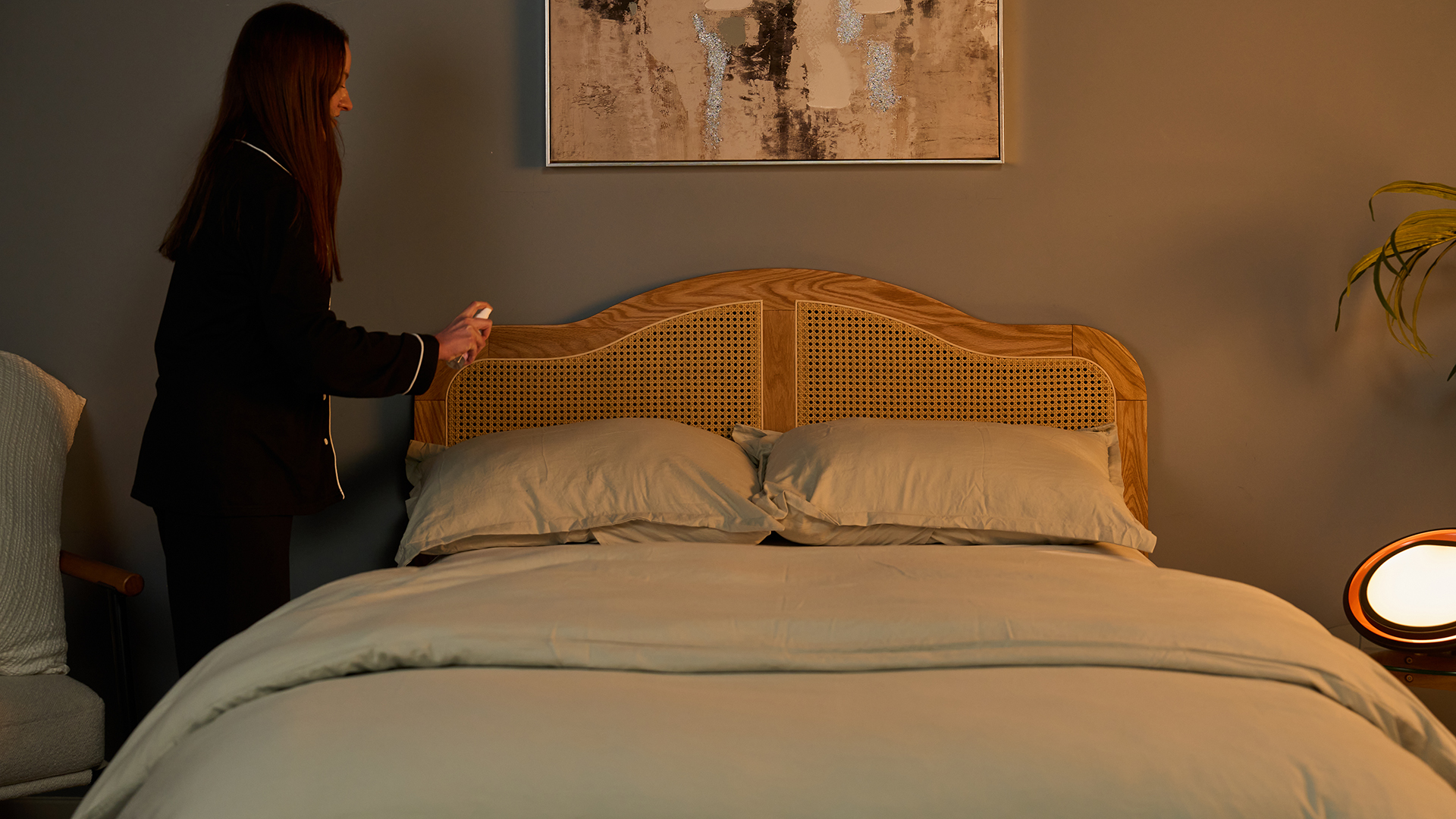
When you think of a nighttime routine, you may picture yourself getting into some cozy jammies and washing the day off your face — but these are actually common nighttime routine mistakes.
So, when should you start getting ready for bed? Turns out, not at bedtime.
In fact, even a simple trip to the bathroom right before bed can derail sleep, as harsh LED bathroom lighting means your brushing your teeth under light bulbs that have been found to suppress sleep-inducing melatonin.

Instead, Shore says evening tasks (like changing into your pajamas and brushing your teeth) should be performed before your nighttime routine to prevent you from having to do them when you're mind and body is ready to sleep.
"It sounds simple but before I do anything in my nighttime routine, I get fully ready for bed...that’s PJs on, face washed, and teeth brushed," she reveals.
"That way, when I get tired, it means I can get into bed straight away and fall asleep, without having to do all these things which wake my body up," she adds.
3. Get up in the middle of the night
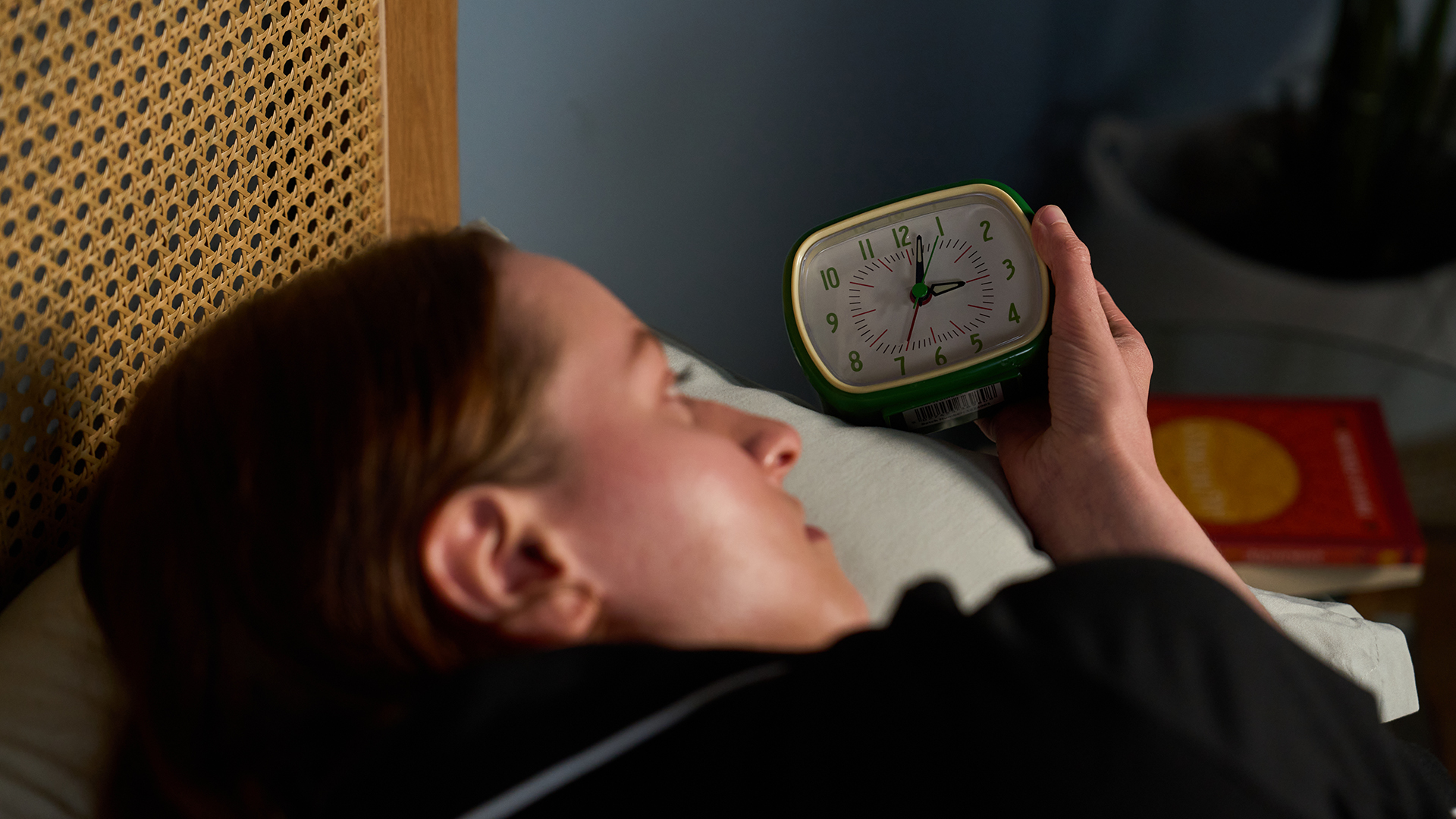
While Shore says that waking up a few times throughout the night is normal (as as we cycle in and out of deeper and lighter sleep), being unable to fall back to sleep isn't so normal.
If you find yourself clock-watching and stressing about the number of hours you have left before you need to get up, Shore has some surprising advice for you: "Get back up and start the wind-down routine again."
Unexpected, but getting up when you can't sleep is actually a key tenant of CBTI (Cognitive Behavioural Therapy for Insomnia), as it stops you from creating a negative connection between your bed and not sleeping.
"You’ll find that it will help to clear your mind again, taking your focus off sleep, meaning we will fall asleep a little more easily," explains Shore.
4. Keep a damp washcloth on your nightstand
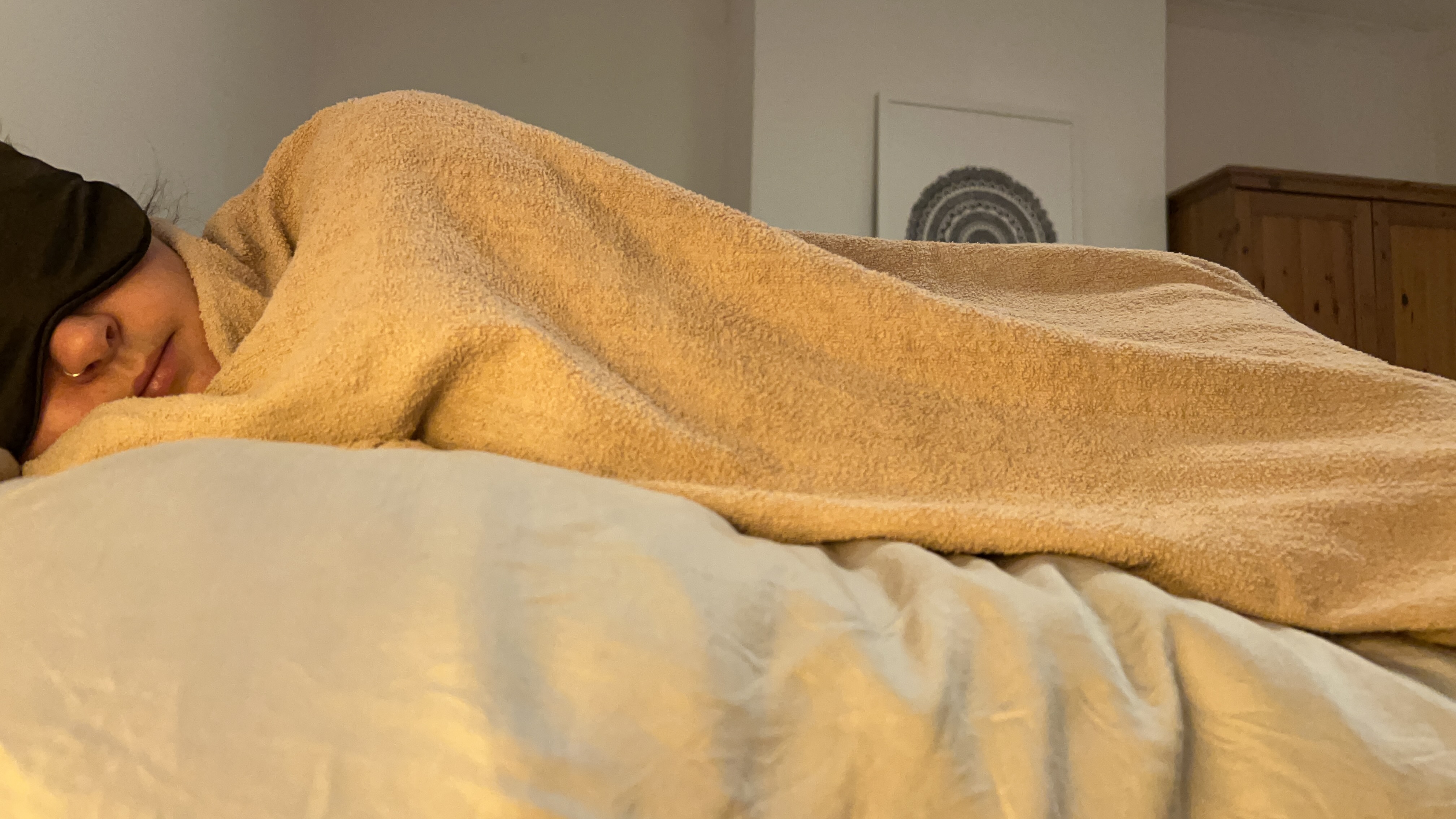
If overheating during summer nights is a key reason why you can't fall asleep, a damp cloth may help you sleep cooler.
Now if you've tried the Egyptian Sleep Method and instantly regretted it, don't panic — Shore's sleep tip is much less polarizing.
"Keep a slightly damp cloth next to your bed and apply it to key areas to help cool you down quicker, such as your wrists or the back of your neck,” the sleep scientist suggests.
This DIY cooling hack is backed by science, with research showing that applying cold water towels to the neck reduces skin temperature and improves thermal comfort and sensation.
3 things that will make it harder for you to fall asleep at night
1. Staying indoors all day
Shore warns that not going outside during the daylight can mean your body's circadian rhythm misses out on key sleep cues.
Extensive research shows that sunlight supresses sleep hormone melatonin, making your body feel more alert during the day.
"This will make the contrast to darker, duller evening light more prominent, making it easier to signal to your body that it is time for sleep — it starts producing the sleep hormones needed," the sleep researcher explains.
2. Reading a new book
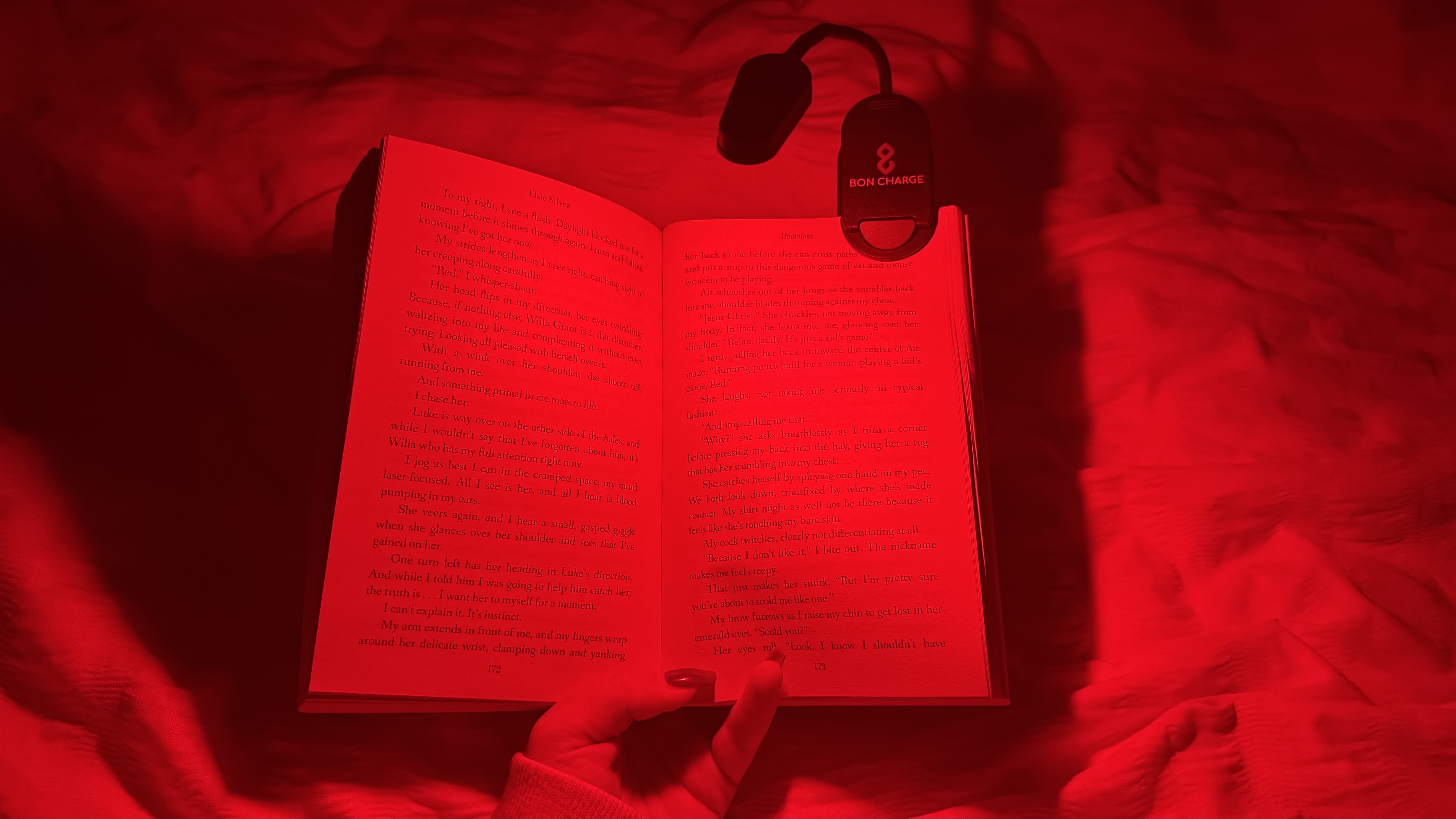
It's been proven that reading a book not only improves sleep quality but sleep duration, too.
However, reading a new page-turner can have the same sleep-delaying effects of watching a new exciting drama.
Instead, Shore suggests re-reading your favorite book to avoid reading "just one more chapter of your new book".
3. Last-minute chores
"Often, we find ourselves falling asleep on the sofa yet staring at the ceiling wide awake when we go to bed, and this is because we go on a detour before getting in bed," Shore tells me.
This "detour" usually includes last-minute chores that we put off doing during the day, such as putting the last few things in the dishwasher or tidying up.
"By doing all of this before you get ready for bed and then completing your winddown routine, you are signaling to your body that it is time for rest and sleep, not wakefulness and chores," explains the sleep expert.