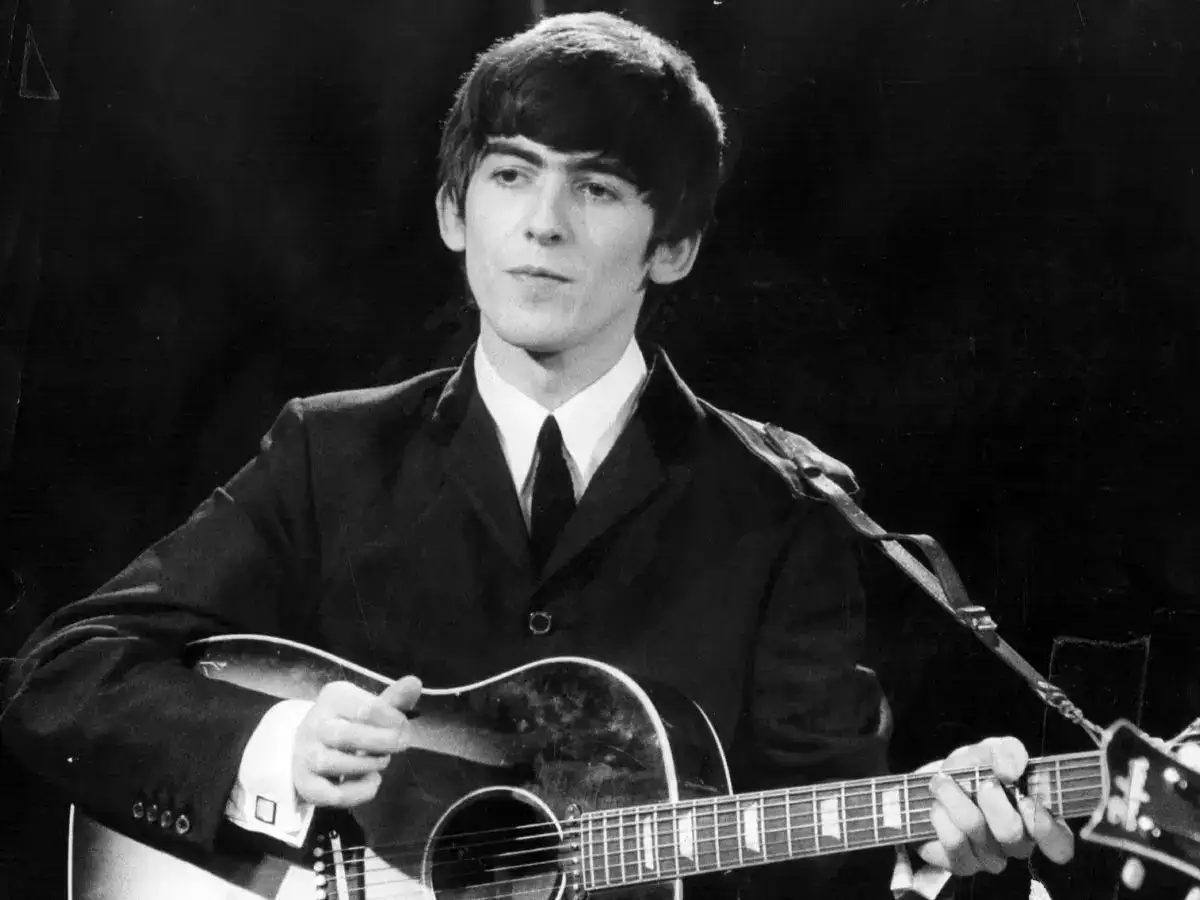
Quote of the Day: George Harrison was the lead guitarist of The Beatles, a band that transformed modern music and became one of the most influential acts in history. He was born in Liverpool, England. While he was often regarded as the quietest member of the group, Harrison emerged as a gifted songwriter and musician whose interest in spirituality, philosophy, and Eastern culture would shape both his music and his worldview.
Following the breakup of The Beatles, Harrison built a successful solo career, releasing acclaimed works such as the album All Things Must Pass and the hit song My Sweet Lord. His contributions extended beyond music, as he helped introduce Indian musical influences to Western audiences and became known for his thoughtful reflections on life, faith, and personal growth. His legacy continues to resonate through his music and the philosophical insights he shared throughout his life.
Quote of the Day by George Harrison: ‘You've got as many lives as you like, and more, even ones you don't want’
George Harrison Quote: Context, meaning and interpretation
One of Harrison’s most intriguing observations is: “You've got as many lives as you like, and more, even ones you don't want.” At first glance, the quote may seem puzzling, but it reflects a recurring theme in his thinking: the idea that life is constantly changing and that people go through multiple versions of themselves over time. Rather than viewing life as a single, fixed journey, Harrison suggests that individuals experience many different chapters, identities, and circumstances throughout their existence.
The context of the quote aligns with Harrison’s long-standing interest in spirituality and personal transformation. He often spoke about growth, self-discovery, and the notion that human beings are continually evolving. The “lives” mentioned in the quote need not be understood literally; they can represent the many roles, challenges, opportunities, and unexpected situations that people encounter as they move through life. Some of these experiences are welcomed, while others arrive uninvited, forcing individuals to adapt and change.
The deeper meaning of the quote lies in its recognition that change is inevitable. Every major transition, a new career, a loss, a relationship, a success, or a setback, can feel like the beginning of a new life. Harrison’s words encourage acceptance of these transformations rather than resistance to them. They remind us that personal growth often emerges from circumstances we did not choose and that even difficult experiences can shape who we become.
The lesson is both comforting and empowering. Life rarely unfolds according to a single plan, and unexpected turns are part of the human experience. By remaining open to change, embracing new beginnings, and learning from every chapter, people can navigate uncertainty with greater resilience. Harrison’s quote serves as a reminder that life is not defined by one identity or one moment; it is a continuous journey of reinvention, adaptation, and discovery.