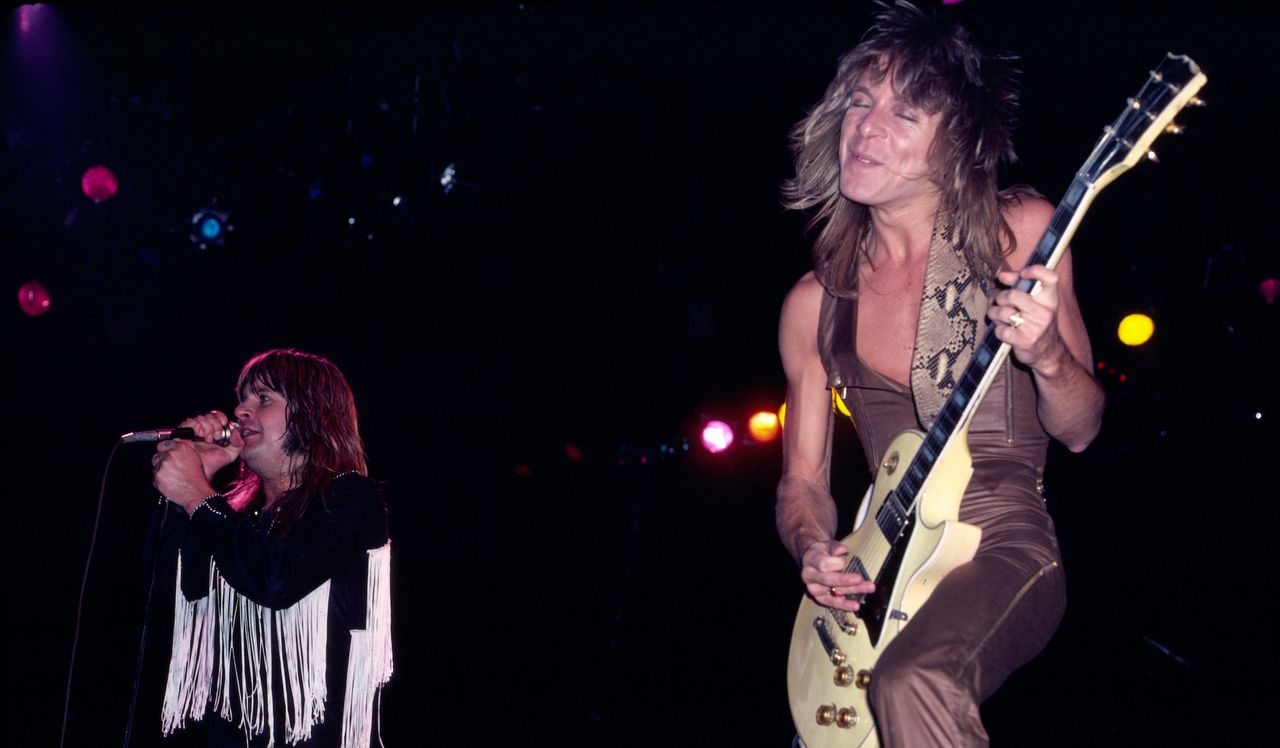
Well, today is Ozzy Day, so we thought we'd revisit arguably his biggest track and most sought-after guitar tone, Crazy Train! Although Randy Rhoads had previously played on the Hollywood club scene for several years and recorded two albums with Quiet Riot (released only in Japan), most of the world did not discover the phenomenal young guitarist until after he started working with Ozzy Osbourne in 1980.
Crazy Train, the first single from Osbourne’s debut solo album, Blizzard of Ozz, introduced Rhoads to millions of new fans, and the guitarist made a great first impression with his blazing technical solos and buzzsaw riffs.
The midrange-heavy tone of Rhoads’ guitar on Crazy Train divides many metal guitar tone aficionados, with detractors arguing that it sounds small and boxy while supporters counter that it fits the track perfectly and brings Rhoads’ playing rightfully front and center in the mix.
I personally agree with the latter, having heard the guitar part absolutely explode from an AM radio with tiny speakers that made Metallica sound like buzzing mosquitoes in comparison. It’s a guitar tone that can make the wrong player sound shrill and obnoxious, but in the hands of the right player (like Rhoads), it can sing like a symphony.
What Randy used in the studio
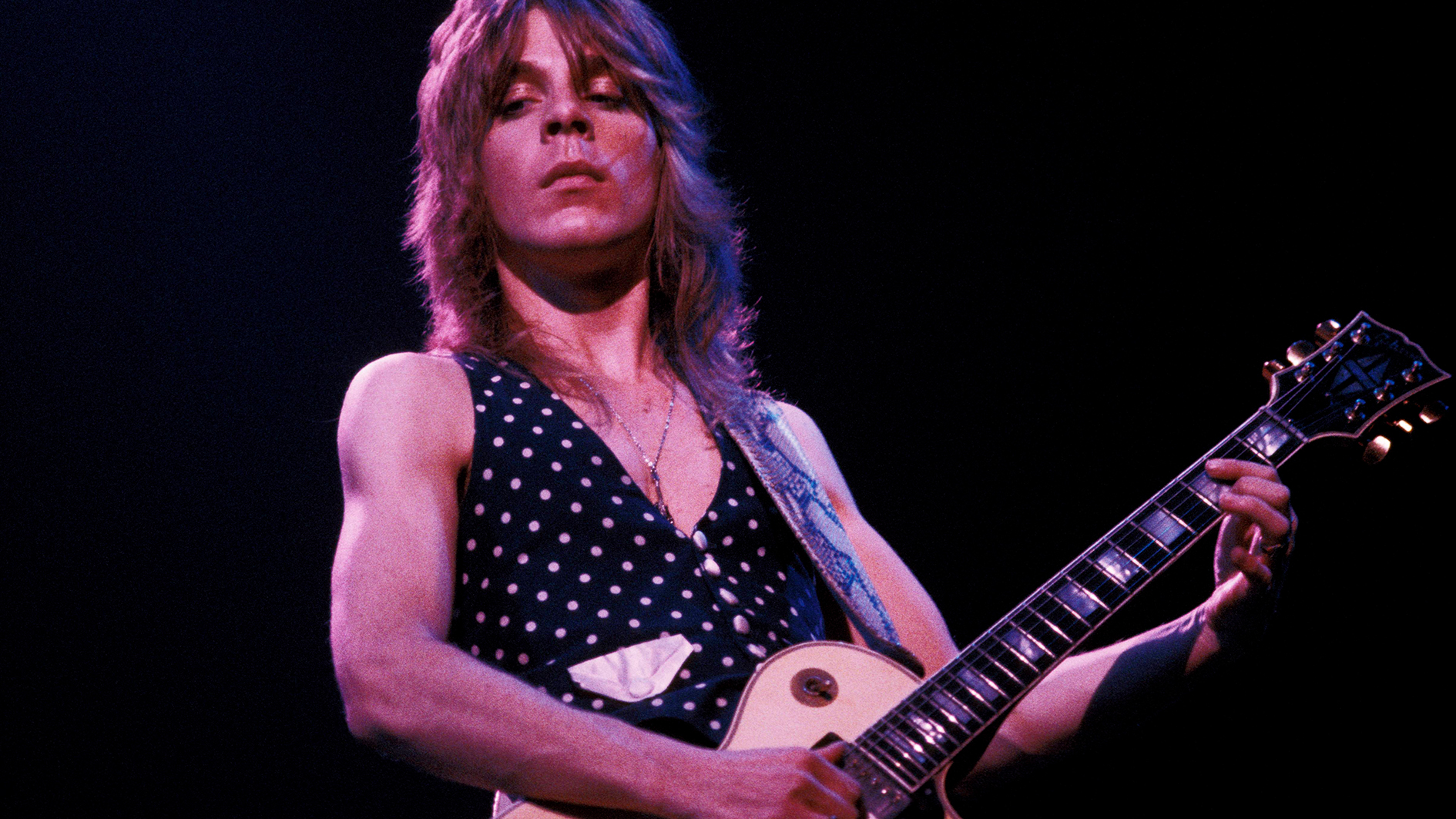
Rhoads is famous for using a modified Marshall 100-watt head covered in white tolex that he custom-ordered from the Marshall factory, but, as proven by photos taken by Fin Costello of the Blizzard sessions, that amp had not arrived yet when Blizzard of Ozz was recorded.
Original gear
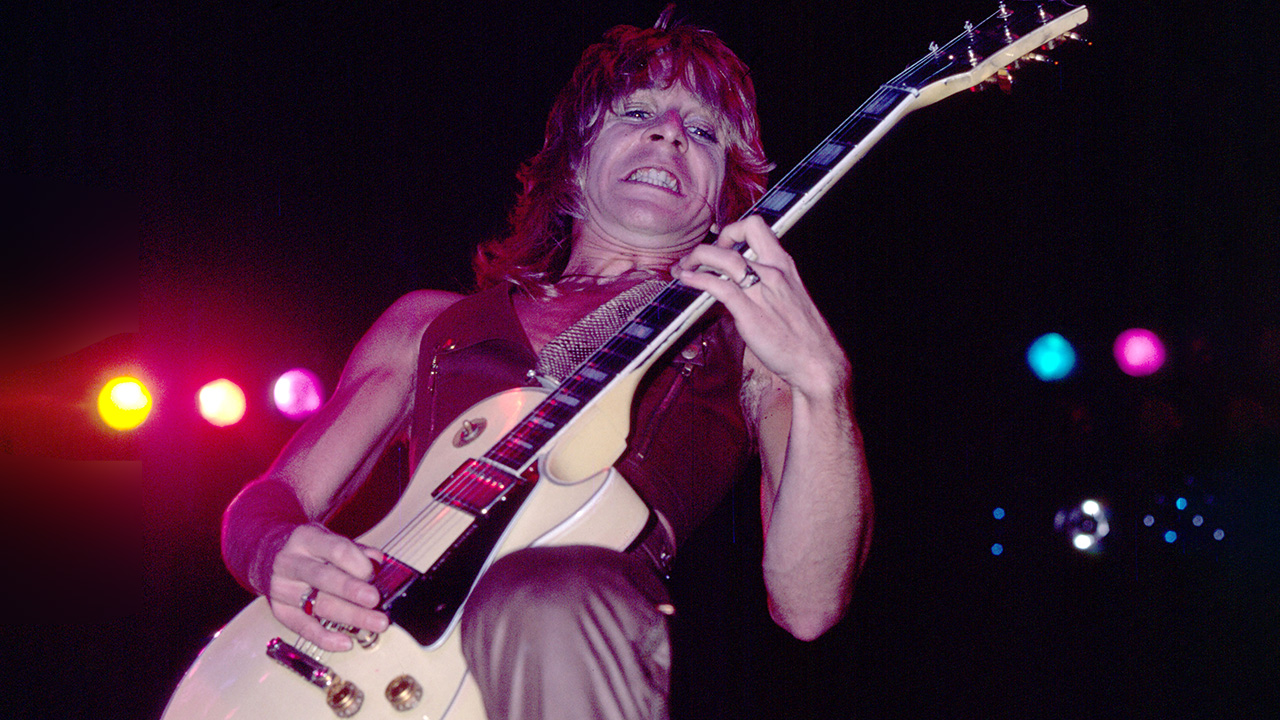
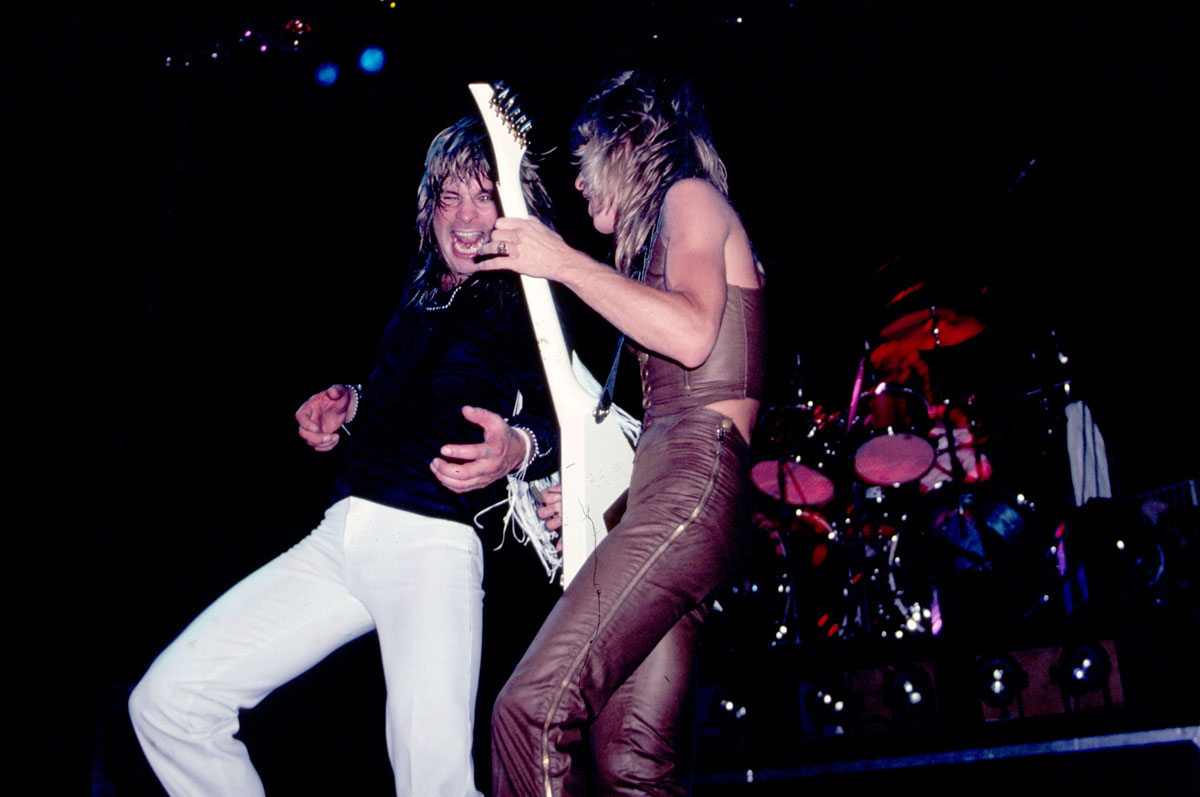
GUITAR: 1974 Gibson Les Paul Custom (bridge pickup), Bridge Volume: 10, Bridge Tone: 10 AMPS: 1975-76 Marshall JMP model 1959 Super Lead MKII 100- watt head (Presence: 5, Bass: 2, Middle: 6, Treble: 7, Volume I: 6, Volume II: 0, Input I top) into two Marshall 1960A and 1960B 4x12 cabinets with Altec 417-8H 12-inch speakers
EFFECTS: MXR Distortion + (Output: 10, Distortion: 4), MXR Ten Band Graphic EQ (31.2: -2, 62.5: 0, 125: +3, 250: +7, 500: +10, 1k: +6, 2k: +3, 4k: -2, 8k: 0, 16k: +3), AMS DMX 15-80S Digital Delay (added during mix, settings unknown)
STRINGS/TUNING: GHS Boomers .010-.046/Standard
PICK: Fender Medium (351 shape)
Instead, Rhoads used a stock mid-'70s Marshall JMP model 1959 Super Lead MKII 100-watt head that was rented for the sessions, driving a pair of 4x12 cabinets loaded with Altec 417-8H speakers.
Rhoads preferred Altec speakers over the standard Celestion speakers because the Altec speakers delivered higher clean headroom and a brighter tone. Rhoads ran the Marshall with only a slight amount of overdrive and relatively flat EQ settings, generating the bulk of his distortion and EQ with his custom pedalboard built by Pete Holmes.
The crucial effects in the pedalboard were an MXR Distortion +, which Rhoads almost always kept on, and an MXR Ten Band Graphic Equalizer, which provided a significant signal and midrange boost centered at 500Hz.
Producer/engineer Max Norman enhanced Rhoads’ rhythm tracks with a subtle chorus effect generated by an AMS DMX 15-80S Digital Delay with different short delay and slight detuning settings for the right and left channels. Rhoads also triple-tracked his solos, with one part panned to the center and the other parts panned hard right and left at lower levels.
Get the sound, cheap!
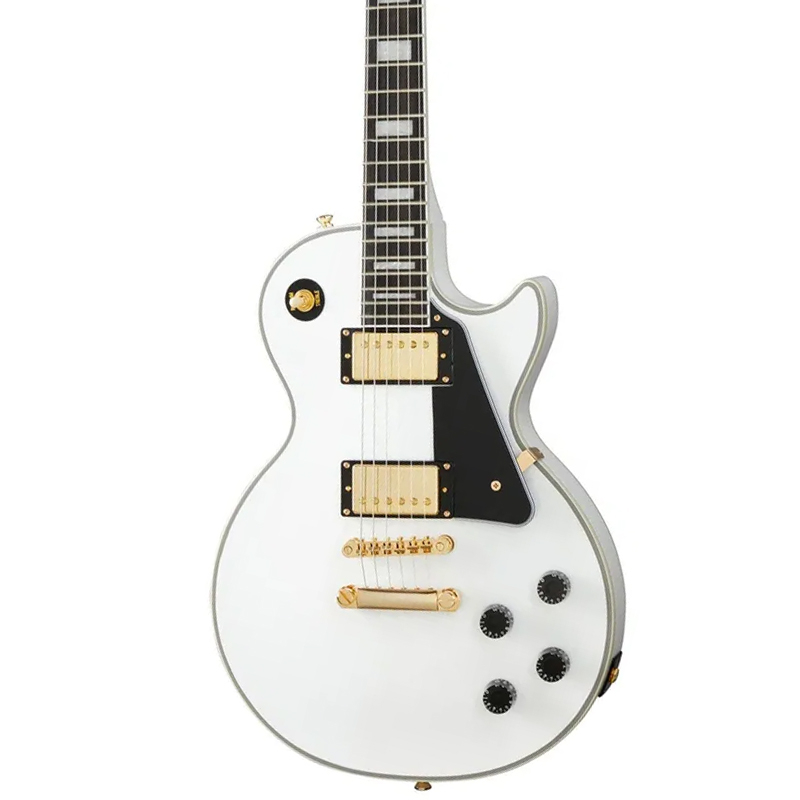
Epiphone Les Paul Custom
Don't fancy spending a small fortune on a full-fat Les Paul Custom? Well, this Epiphone Les Paul Custom is for you. It's classy, plays great, and more importantly, it sounds killer! It will certainly get you in the right ballpark for those classic Rhodes tones.
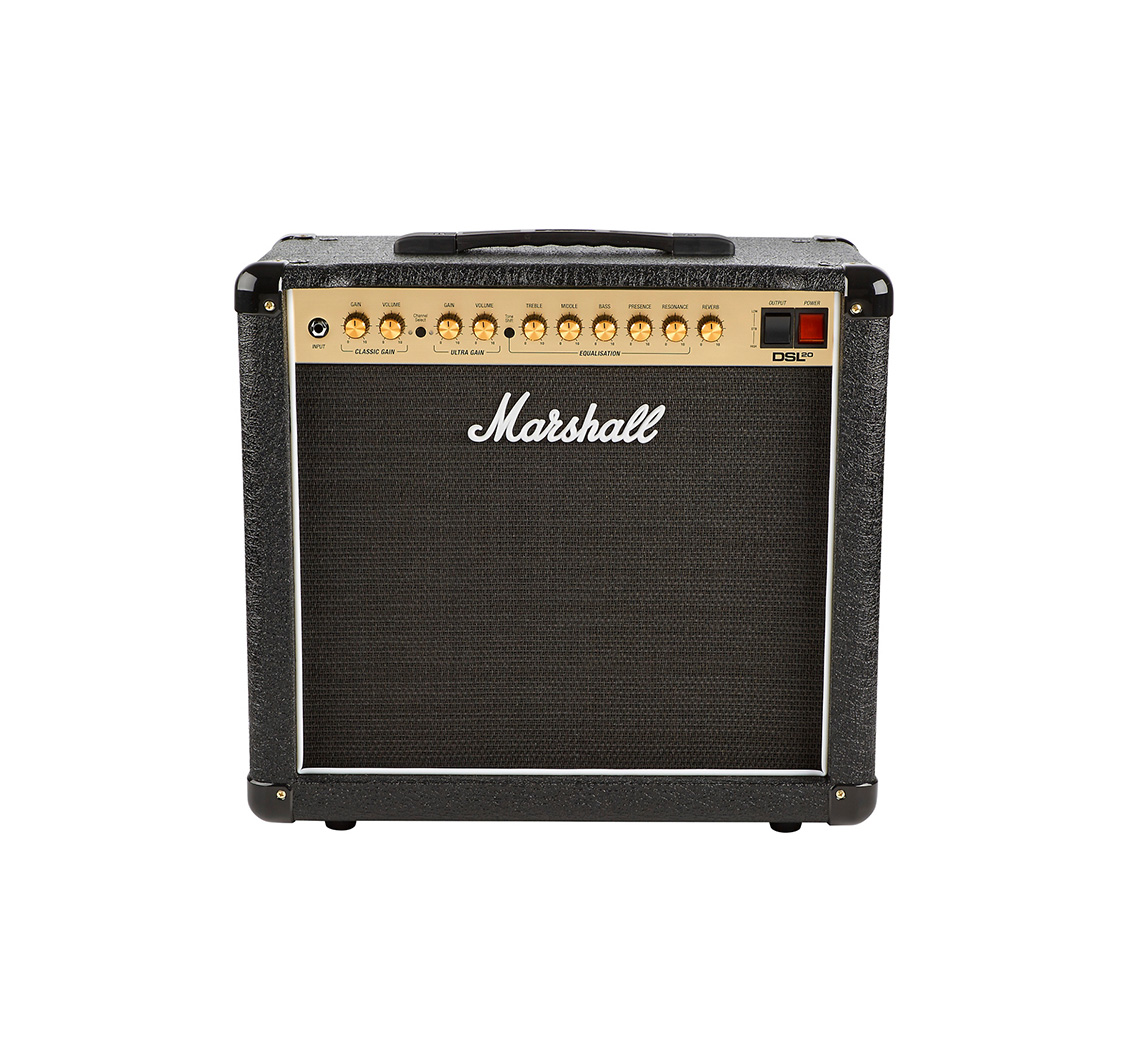
Marshall DSL20CR
Marshall is a name that transcends the guitar itself, with the company's ubiquitous gold-and-black styling becoming synonymous with guitar amps in the popular sphere. This mini DSL20CR is ideal for home use and is packed with all the Marshall goodness you need to play crazy Train!
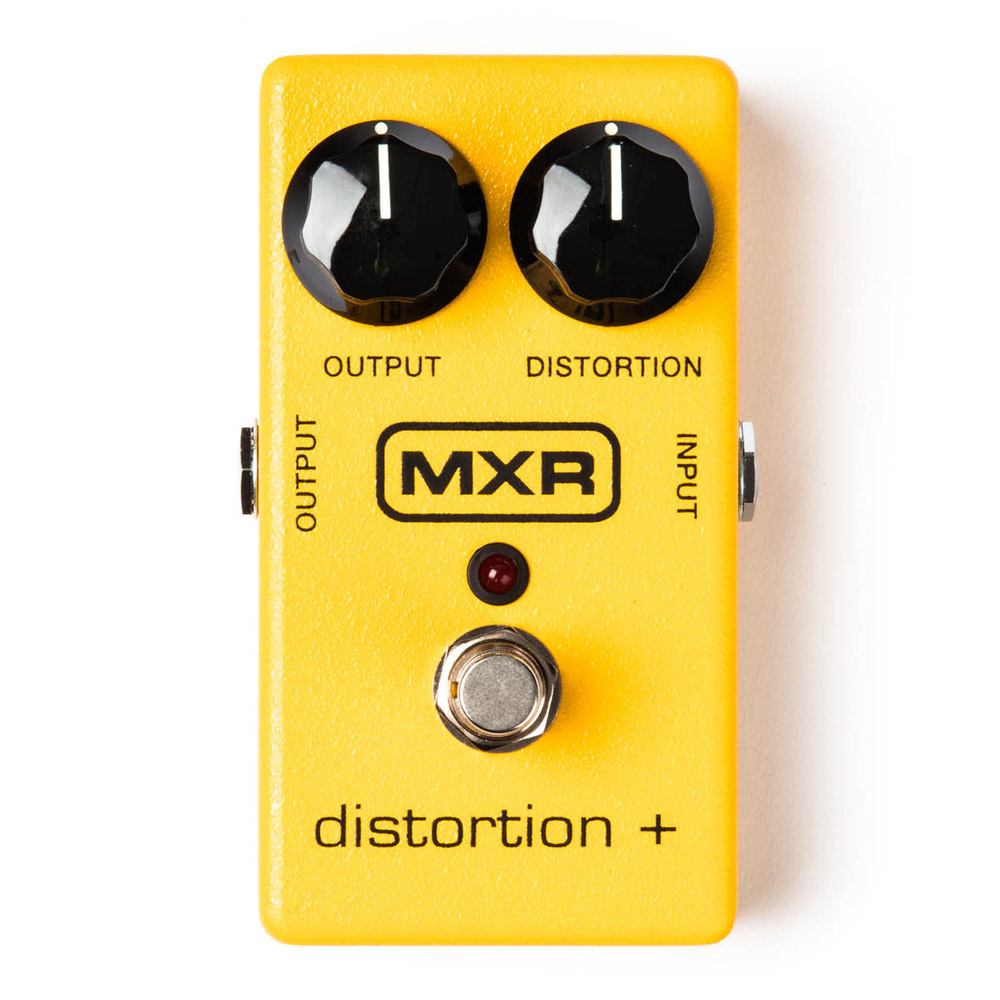
MXR M104 Distortion +
Randy is arguably the most famous user of this little yellow box. It's bright, aggressive, and raw – perfect for that cutting Rhodes tone. It features a simple two-knob layout (Output and Distortion) powered by germanium diodes, offering a distinctive sound that bridges the gap between a raspy overdrive and a fuzz.
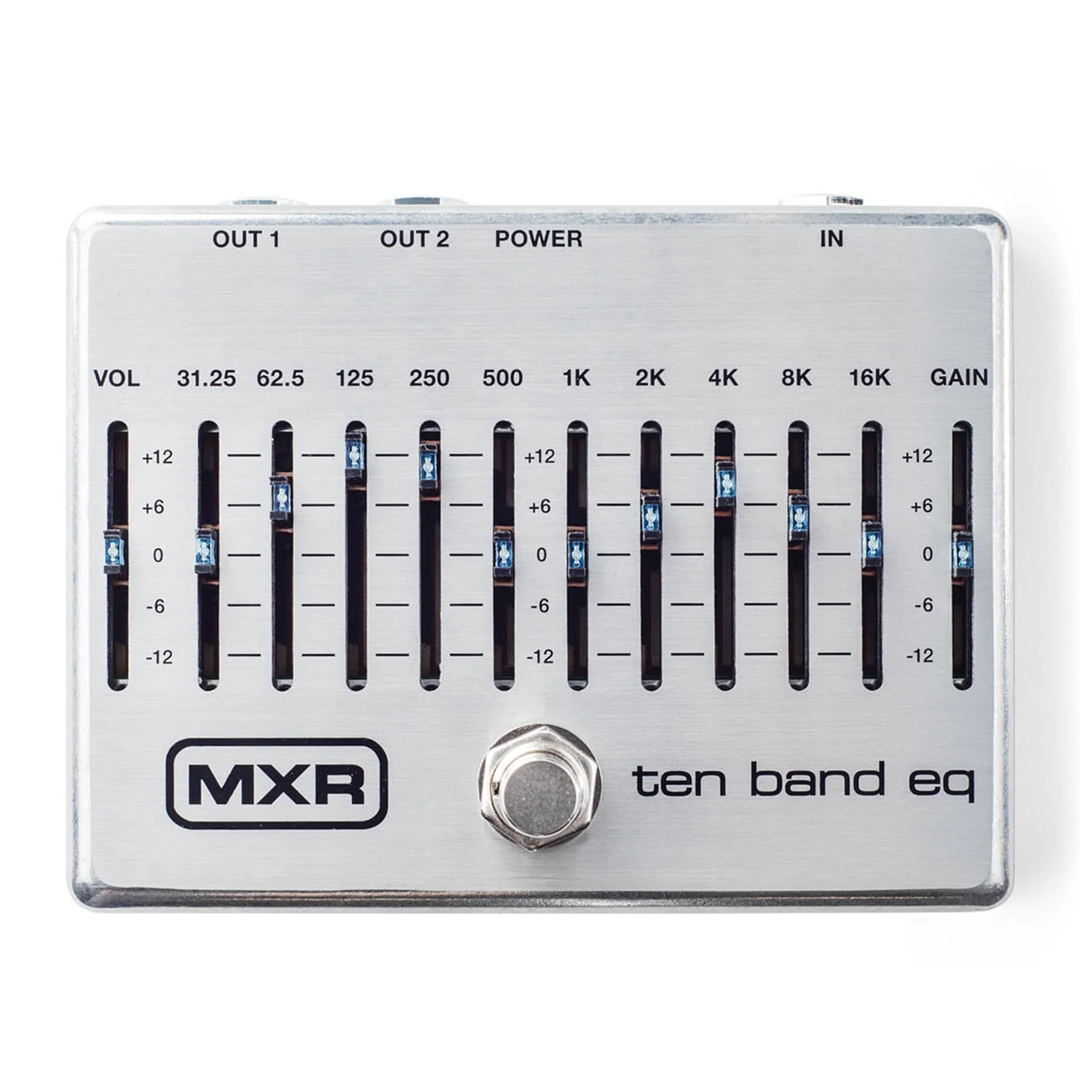
MXR M108S Ten Band EQ
The MXR M108S Ten Band EQ is designed to give guitarists precise control over their tone. With ten adjustable frequency sliders and gain controls, it allows you to sculpt your sound and get that fierce mid-bark that Randy was famous for.
TONE TIP: Like Rhoads, you’ll want to dial the Marshall to just a slight amount of overdrive and use the Distortion + for grit and grind, with the output at 10 and distortion between 4 and 6. The new MXR Ten Band EQ has gain and volume controls not found on the original, so keep both controls at 0.