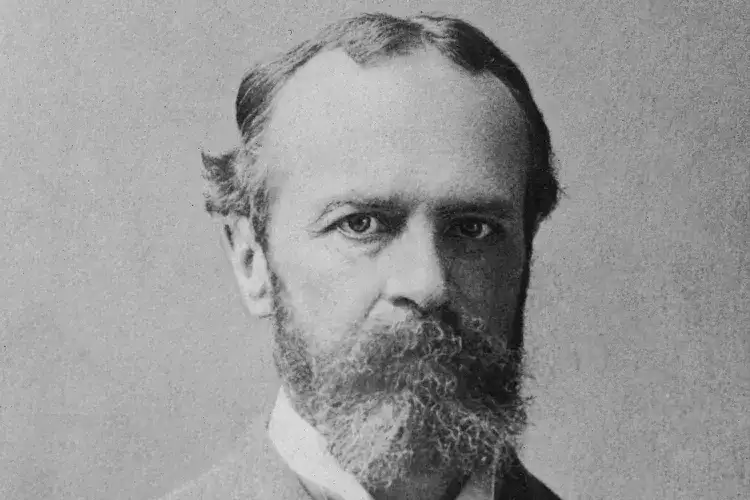
Quote of the Day by William James: Stress has the power to influence how people think, feel, and respond to everyday challenges. It can affect emotional well-being, decision-making, and overall quality of life. However, while stressful situations are often unavoidable, the way people interpret and respond to them can make a significant difference in how they experience those challenges.
His powerful quote, “The greatest weapon against stress is our ability to choose one thought over another,” highlights the importance of mindset, self-awareness, and emotional resilience. In today’s world of constant demands, uncertainty, and information overload, this quote still carries deep significance. It reminds us that although we cannot always control external circumstances, we can often influence our reactions through conscious thinking. William James’ words continue to inspire discussions about mental well-being, positive thinking, and the importance of developing a balanced mindset that promotes resilience, clarity, and emotional strength.
Quote of the Day Today: William James on mental strength, challenges, optimism and constructive thinking
Quote of the Day by William James: “The greatest weapon against stress is our ability to choose one thought over another.”
Meaning of William James’ Quote About Stress and Mindset
William James’ quote, “The greatest weapon against stress is our ability to choose one thought over another,” explores the deep importance of mindset, self-awareness, and emotional resilience. The phrase “choose one thought over another” symbolizes the power individuals have to influence their mental responses to difficult situations. James suggests that while people cannot always control external events, they can often control the thoughts they focus on and the perspective they adopt.
However, the deeper meaning of the quote emphasizes that stress is not shaped solely by circumstances but also by interpretation. Negative thoughts can magnify fear, anxiety, and frustration, while constructive thinking can encourage calmness, clarity, and problem-solving. A healthy mindset does not ignore challenges but approaches them with balance and perspective, helping individuals build resilience and maintain emotional well-being even during difficult times.
How to Manage Stress
Managing stress is essential for maintaining both mental and physical well-being in everyday life. Stress can arise from work pressure, studies, relationships, or unexpected challenges, but it becomes easier to handle when approached with healthy habits and a balanced mindset. One of the most effective ways to manage stress is by staying organized and breaking tasks into smaller, manageable steps instead of feeling overwhelmed by the bigger picture. Regular physical activity, proper sleep, and a balanced diet also play a key role in reducing stress levels. Practicing mindfulness, deep breathing, or meditation can help calm the mind and improve focus. Talking to friends, family, or seeking support when needed can also provide emotional relief. Ultimately, managing stress is about building resilience, staying positive, and learning to respond to challenges with clarity rather than reacting with anxiety.
Early Life of William James
William James was born on January 11, 1842, in New York City, USA, into a wealthy and intellectually active family. His father, Henry James Sr., was a philosopher and theologian who encouraged independent thinking and curiosity. Growing up in an environment filled with intellectual discussion exposed James to literature, philosophy, science, and culture from an early age.
As a child, he traveled extensively throughout Europe with his family, gaining exposure to different educational systems and ideas. These experiences helped shape his broad perspective on human nature and learning, laying the foundation for his future work in psychology and philosophy.
Education and Academic Development
William James pursued studies in science and medicine at Harvard University. Although he completed medical training, his interests gradually shifted toward understanding the human mind, consciousness, and behavior. He became fascinated by questions about emotions, beliefs, habits, and the relationship between thoughts and actions.
His academic journey combined scientific observation with philosophical inquiry, allowing him to explore psychology in ways that were innovative for his time. This interdisciplinary approach helped establish him as one of the pioneers of modern psychology.
Rise as a Psychologist and Intellectual Fame
William James rose to prominence through his groundbreaking contributions to psychology and philosophy. He is widely regarded as the “Father of American Psychology” due to his role in establishing psychology as a respected scientific discipline. His influential book The Principles of Psychology became one of the foundational texts in the field.
Beyond psychology, James also developed important philosophical ideas, particularly Pragmatism, which emphasized the practical consequences of beliefs and actions. His work explored consciousness, emotions, habits, free will, and human experience, making him one of the most influential intellectual figures of the late nineteenth and early twentieth centuries.
Legacy and Lasting Influence
William James passed away on August 26, 1910, at the age of 68. Despite his passing, his influence continues to shape psychology, philosophy, education, and personal development. Many modern ideas about mental well-being, resilience, and positive thinking can be traced to concepts he explored more than a century ago.
Today, James is remembered not only as a pioneering psychologist but also as a thinker who helped people better understand the connection between thoughts, emotions, and behavior. His writings continue to inspire students, researchers, educators, and individuals seeking greater self-awareness and emotional balance in their lives.
Life Lessons from William James’ Famous Quote
William James’ quote teaches that one of the most effective ways to deal with stress is through conscious control of our thoughts. While people cannot always avoid challenges, setbacks, or uncertainty, they can choose how they interpret and respond to them. The quote highlights that mental resilience comes from focusing on constructive thoughts rather than becoming overwhelmed by fear, worry, or negativity. By developing awareness of our thinking patterns, we can improve emotional balance and approach difficulties with greater clarity and confidence.
In modern life, this message is especially important because stress has become a common part of daily living. James’ words remind us that mindset plays a powerful role in shaping our experiences. Choosing positive, solution-oriented thoughts can strengthen resilience, reduce emotional pressure, and help individuals navigate challenges more effectively. His message continues to encourage self-awareness, emotional strength, and healthier ways of responding to life's demands.
Why This Quote Still Matters Today
William James’ quote remains highly relevant today because modern life often exposes people to constant pressure, uncertainty, and information overload. Work demands, social expectations, financial concerns, and digital distractions can easily contribute to stress and anxiety. In such an environment, the ability to manage one’s thoughts becomes an essential life skill.
This quote reminds us that although we cannot always control external circumstances, we can often influence how we think about them. Instead of becoming trapped in negative thought patterns, people can choose perspectives that encourage calmness, resilience, and productive action. James’ message continues to highlight the importance of mental awareness and emotional well-being, making it especially valuable in today’s fast-paced and demanding world.
Stress Management Wisdom
William James’ quote, “The greatest weapon against stress is our ability to choose one thought over another,” reflects a timeless truth about the power of the human mind. Stress is not determined solely by external events but also by the way people interpret and respond to those events. The ability to shift focus from worry to constructive thinking can make a significant difference in emotional well-being. This wisdom remains relevant because it emphasizes personal responsibility and mental resilience. Rather than allowing circumstances to dictate emotional responses, individuals can develop habits of mindful thinking and self-awareness. True emotional strength comes not from avoiding challenges, but from choosing thoughts that promote clarity, balance, and confidence when facing them.