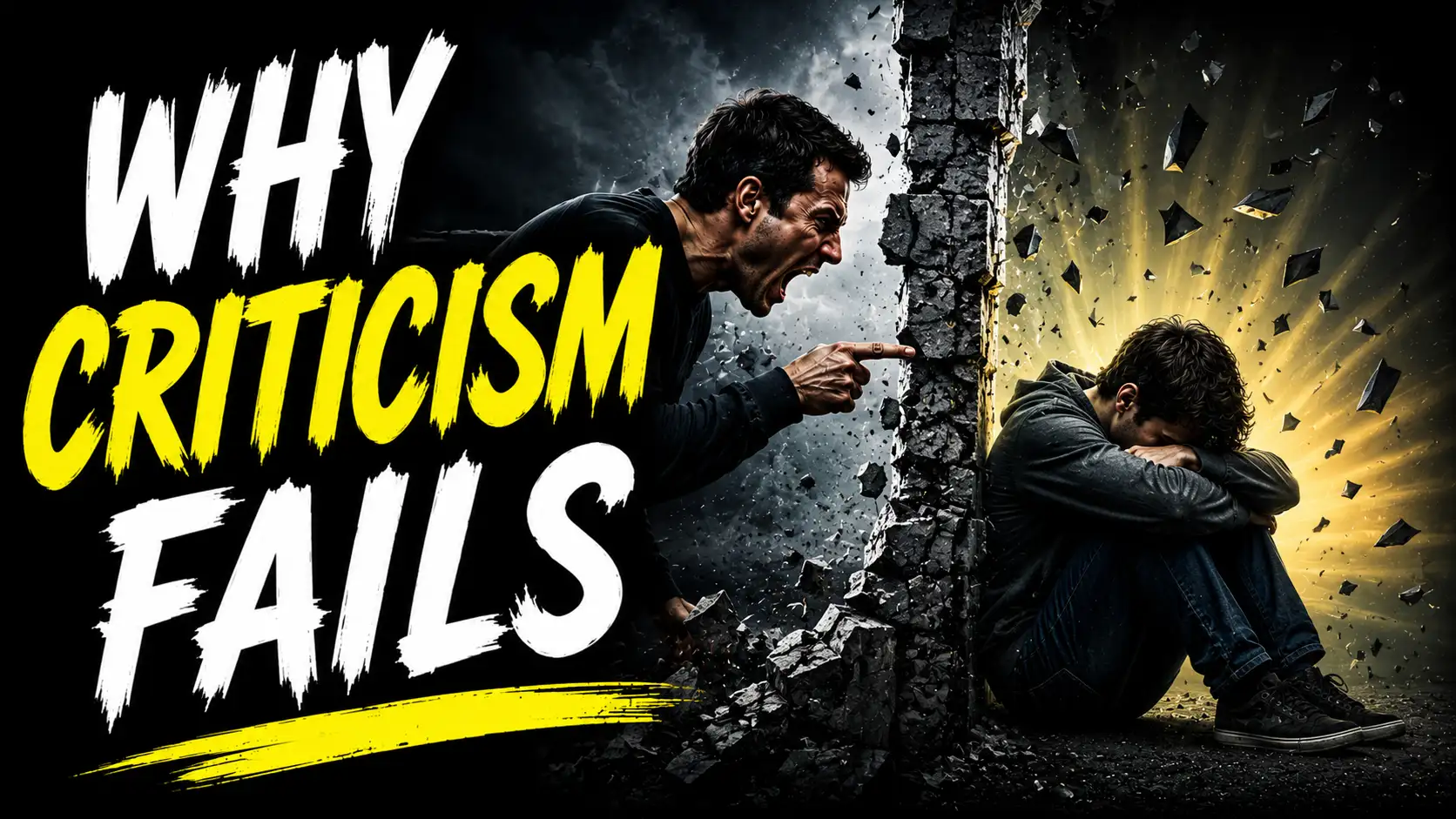
Most people have experienced it. A friend keeps making the same mistake, a partner repeats a frustrating habit, or a coworker ignores constructive feedback. The natural response is often criticism. We point out the problem, explain what's wrong, and hope the person changes.
Yet psychology suggests that criticism is rarely the catalyst for lasting transformation.
In fact, many psychologists believe people are far more likely to change when they feel understood rather than judged. While criticism often triggers defensiveness, empathy creates psychological safety, a condition that allows individuals to reflect on their behavior without feeling attacked.
This doesn't mean people should avoid accountability. Instead, research suggests that understanding and validation often open doors that criticism keeps firmly shut.
Psychology Says: Criticism activates the brain's defense system
One explanation comes from research on psychological reactance, a theory developed by psychologist Jack Brehm. The theory suggests that when people feel their freedom or autonomy is threatened, they instinctively resist.
In daily life, imagine a fictional employee named David who frequently arrives late to work. His manager repeatedly criticizes him in front of coworkers. Rather than improving, David becomes resentful and defensive.