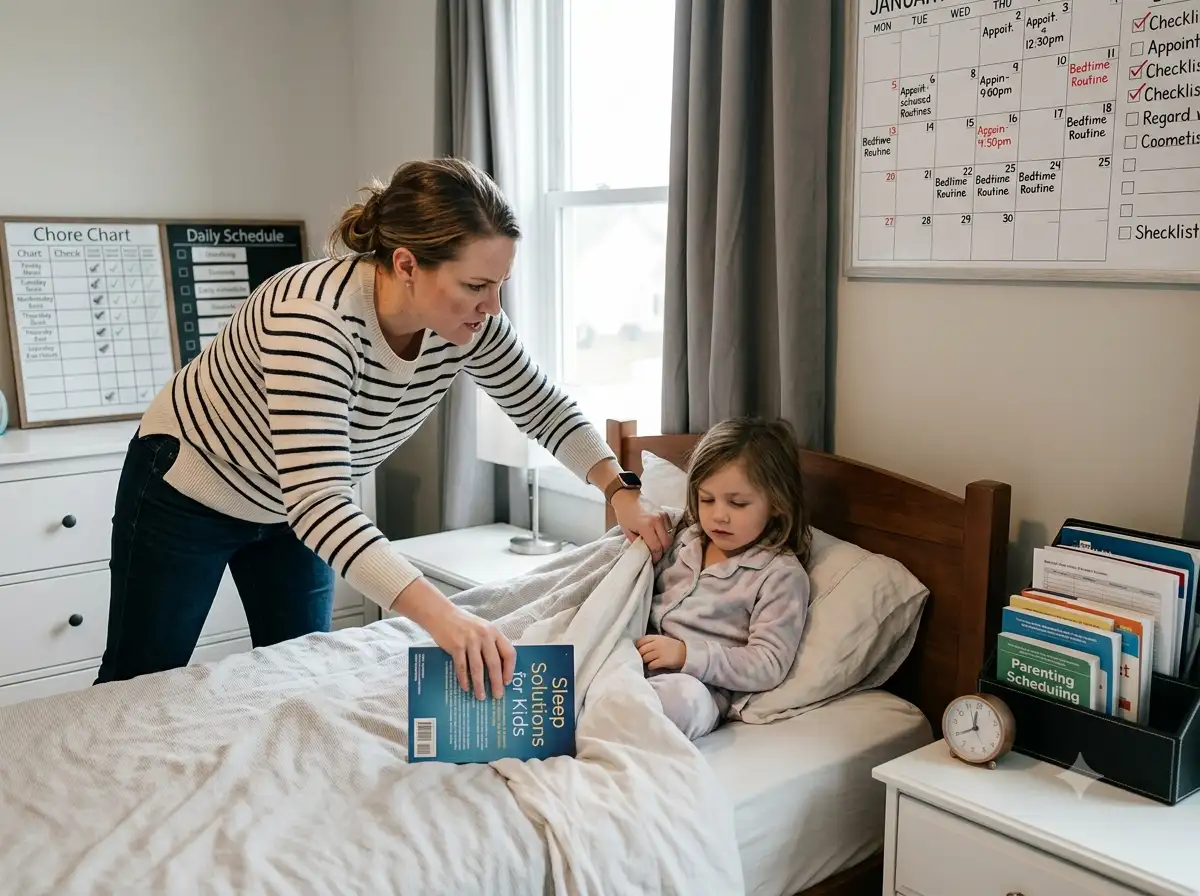
Psychology says people who try to control every aspect of their children's life aren't always making decisions because they know what is best. Many parents want to protect their children from mistakes, failure, or danger. However, psychology explains that constant control can also come from fear, stress, anxiety, or uncertainty. Parents may believe they are helping, but too much control can reduce a child's confidence and decision-making ability. Experts say healthy parenting involves guidance, communication, and trust. Understanding why controlling behavior happens can help families create better relationships while supporting a child's emotional and personal growth.
What psychology explains about controlling parents?
Psychology says that parents who try to manage every part of their children's lives are not always acting from confidence. In many situations, they are responding to their own fears. Parents often worry about their child's future, education, safety, friendships, and career. These concerns can become so strong that they begin making every decision for their children.
Instead of allowing children to solve problems, make choices, or learn from mistakes, controlling parents step in before any challenge appears. Psychologists explain that this pattern often reflects the parent's emotional state rather than the child's actual needs.
What does this mean?
This behavior means that control becomes a way for parents to reduce their own anxiety. When parents believe they can prevent every mistake, they may feel safer. However, life cannot be controlled completely.
Children need opportunities to make decisions, experience consequences, and develop responsibility. If parents continue controlling every detail, children may become dependent on others for decisions. Some may also struggle with confidence, problem-solving, or handling failure. Psychology explains that healthy parenting balances protection with independence.
Why do some parents behave this way?
There are many reasons why parents become highly controlling. Some parents experienced strict parenting during their own childhood. They repeat the same methods because they believe that is normal. Others fear failure because society places pressure on children's academic success, careers, and achievements.
Some parents worry constantly about physical safety, online risks, or social influences. Past trauma can also increase controlling behavior. Parents who experienced loss, neglect, or unstable environments may try to prevent similar experiences for their children.
In some families, parents connect their own success with their children's achievements. This can make them feel responsible for every decision their child makes. Stress, anxiety, perfectionism, and uncertainty may also contribute to this parenting style.
Which psychology theory explains this behavior?
Several psychological theories help explain controlling parenting.
Attachment Theory suggests that early emotional experiences shape how people build relationships. Parents with insecure attachment patterns may struggle to trust uncertainty. As a result, they may try to control situations to reduce emotional discomfort.
Family Systems Theory explains that family members influence one another. If parents feel stressed or insecure, their emotions can affect family relationships. Control becomes one method of maintaining stability within the family.
Social Learning Theory suggests that people learn behavior by observing others. Parents who grew up with controlling caregivers may copy similar parenting styles without realizing it.
Psychologists also connect excessive parental control with perfectionism and anxiety. These emotional patterns can increase the desire to manage every outcome.
Psychology says people who try to control every aspect of their children's life aren't always helping: The principle behind the behavior
The main psychological principle is that people often seek control when they feel uncertain. Control provides a temporary sense of security. When parents control every decision, they may believe they are protecting their children from disappointment or danger.
However, psychology explains that learning happens through experience. Children develop confidence when they solve problems independently. They improve decision-making through practice. They learn resilience by facing challenges. Removing every obstacle may reduce opportunities for emotional growth. This is why psychologists encourage guidance instead of complete control.
What can families learn from this?
Parents can still provide support without making every decision. Healthy parenting includes listening to children, discussing choices, and allowing age-appropriate independence. Children benefit when parents encourage responsibility rather than constant supervision.
Simple actions can help families build healthier relationships. Parents can ask questions instead of giving orders. Children can be encouraged to explain their thinking before receiving advice. Mistakes should become learning opportunities instead of reasons for punishment.
Open communication allows trust to grow over time. Experts also recommend recognizing that every child develops at a different pace. Comparing children with others often increases pressure instead of helping development.
Life lessons from this behavior
This parenting pattern offers lessons for both parents and children.
- The first lesson is that trust is an important part of healthy relationships.
- The second lesson is that mistakes are necessary for learning. Every failure teaches problem-solving and resilience.
- The third lesson is that fear should not guide every parenting decision. Awareness and preparation are useful, but complete control is impossible.
- Another lesson is that independence develops gradually. Children gain confidence by making decisions, accepting responsibility, and learning from outcomes.
- Finally, psychology reminds families that emotional support often has a stronger long-term impact than constant supervision.
Children who feel trusted are more likely to develop confidence, communication skills, and responsibility as they grow.