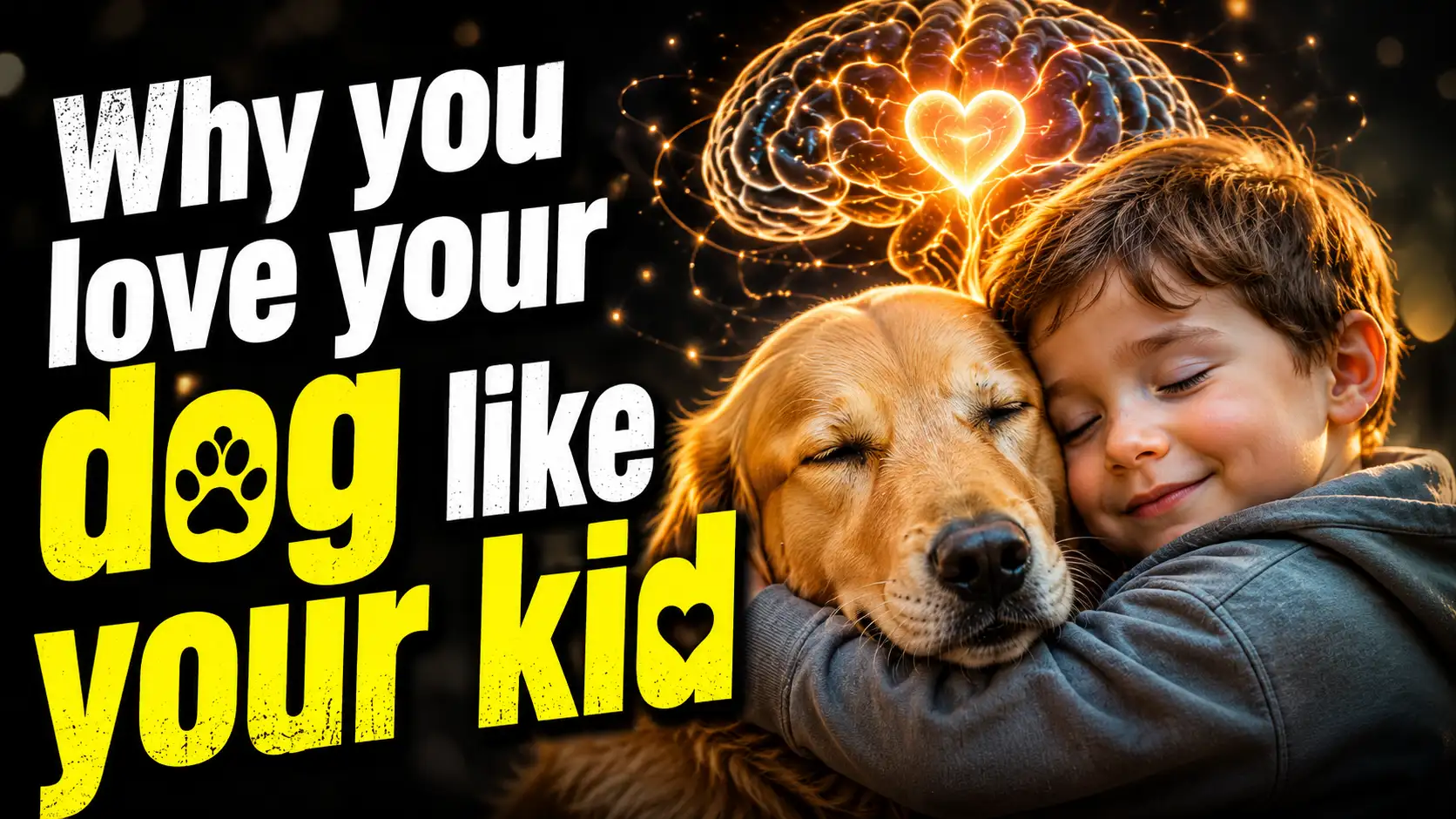
For some people, a dog is a pet. For others, a dog is family. They celebrate birthdays, worry when their dog is sick, rearrange travel plans, and even refer to themselves as "dog moms" or "dog dads." To outsiders, this level of affection can seem excessive. But psychology says there may be more happening beneath the surface.
Research in attachment, caregiving behavior, and human-animal relationships suggests that the emotional bond many people feel toward dogs is not simply affection. In some cases, it activates many of the same psychological systems involved in nurturing children and close family members.
The result is a connection that feels surprisingly deep, meaningful, and emotionally real.
Psychology Says Attachment Is Not Limited to Humans
One of the most influential concepts in psychology is Attachment Theory, developed by psychologist John Bowlby.
The theory suggests that humans are biologically wired to form strong emotional bonds that provide safety, comfort, and emotional security. While the theory originally focused on parent-child relationships, modern researchers have found that attachment processes can extend to pets as well.
READ ALSO: Psychology says people stay in toxic relationships for these 5 reasons: Carl Jung explains why
When a dog greets its owner at the door, seeks comfort during stress, or provides companionship during difficult times, the brain may interpret that relationship as an important attachment bond.
This is one reason many people miss their dog intensely after a vacation or feel genuine grief when a beloved pet dies.
The Caregiver Instinct May Explain the Bond
Psychologists often describe humans as having a built-in caregiving system. People naturally respond to beings that appear vulnerable, dependent, and emotionally expressive.
Dogs possess many traits that trigger nurturing behavior. Large eyes, expressive faces, affection-seeking behavior, and dependence on humans can activate what researchers call the caregiving response.