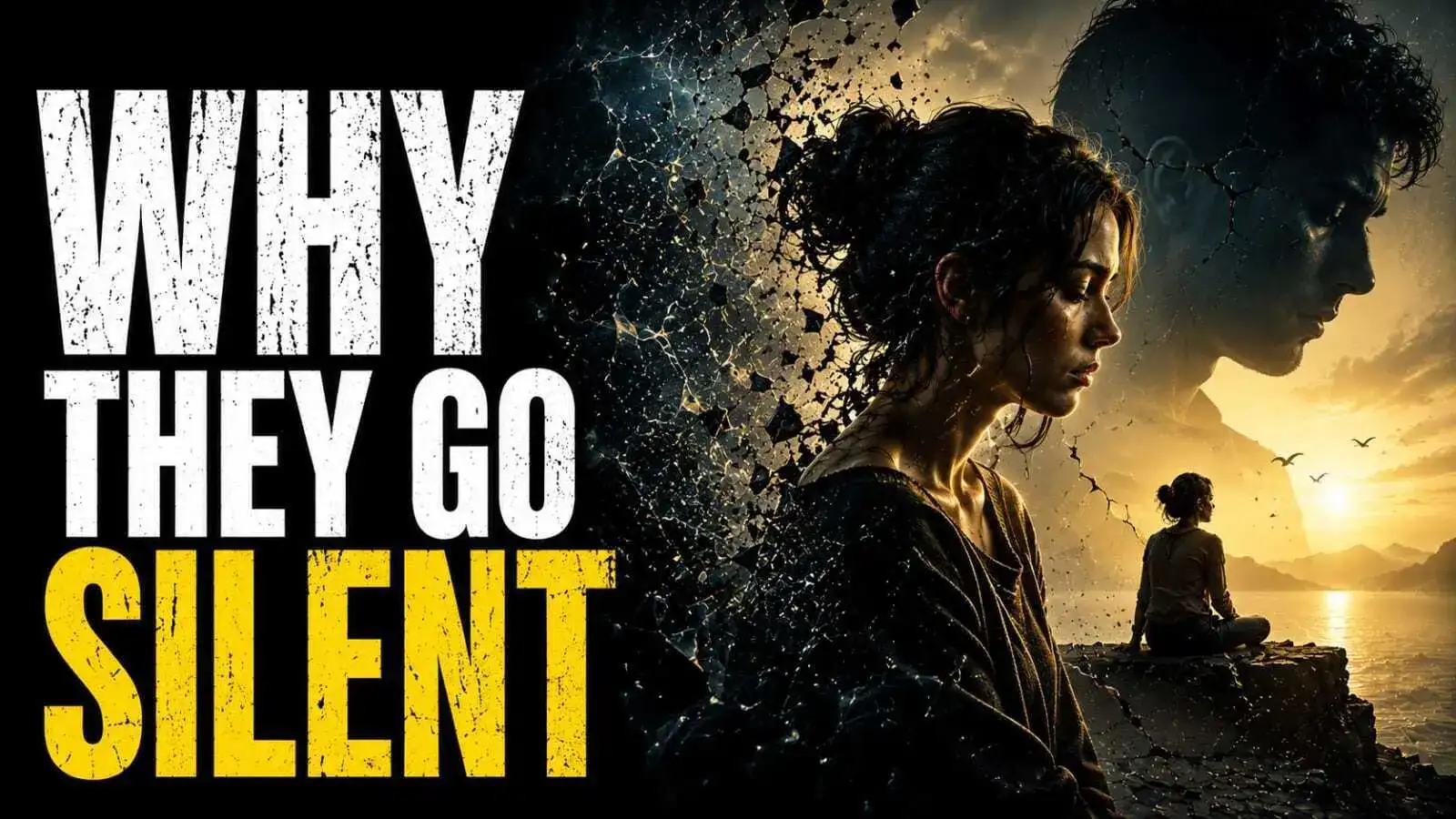
Have you ever hurt someone and noticed that they did not yell, argue, or defend themselves? Instead, they simply went quiet. Their texts became shorter. Their enthusiasm disappeared. They seemed emotionally distant, even though you knew they were deeply affected.
Psychology says this reaction is far more common than most people realize. While society often assumes that anger is the natural response to emotional pain, many individuals respond in the opposite way. They withdraw, become quiet, and process their feelings internally.
According to psychologists, silence after emotional hurt is often linked to self-protection, emotional regulation, attachment styles, and past experiences. In many cases, the person is not trying to punish others. They are trying to make sense of their emotions without creating more conflict.
The Psychology of Emotional Withdrawal
One explanation comes from Attachment Theory, developed by psychologist John Bowlby.
Research suggests that people develop different ways of coping with emotional distress based on their early relationships. Some individuals become confrontational when hurt. Others become avoidant and retreat into themselves.
For these people, silence acts like an emotional shelter. Instead of expressing pain immediately, they step back to regain a sense of safety. Psychologists call this emotional withdrawal, a coping strategy that helps people regulate overwhelming feelings.
Why the Brain Chooses Silence Over Conflict
The human brain is designed to protect itself from threats. Interestingly, emotional rejection activates some of the same brain regions involved in physical pain. When someone feels criticized, betrayed, ignored, or humiliated, their nervous system may enter what psychologists call the freeze response.
Most people know about the fight-or-flight response. Less discussed is the freeze response, where the brain temporarily shuts down communication and emotional expression to avoid further harm.