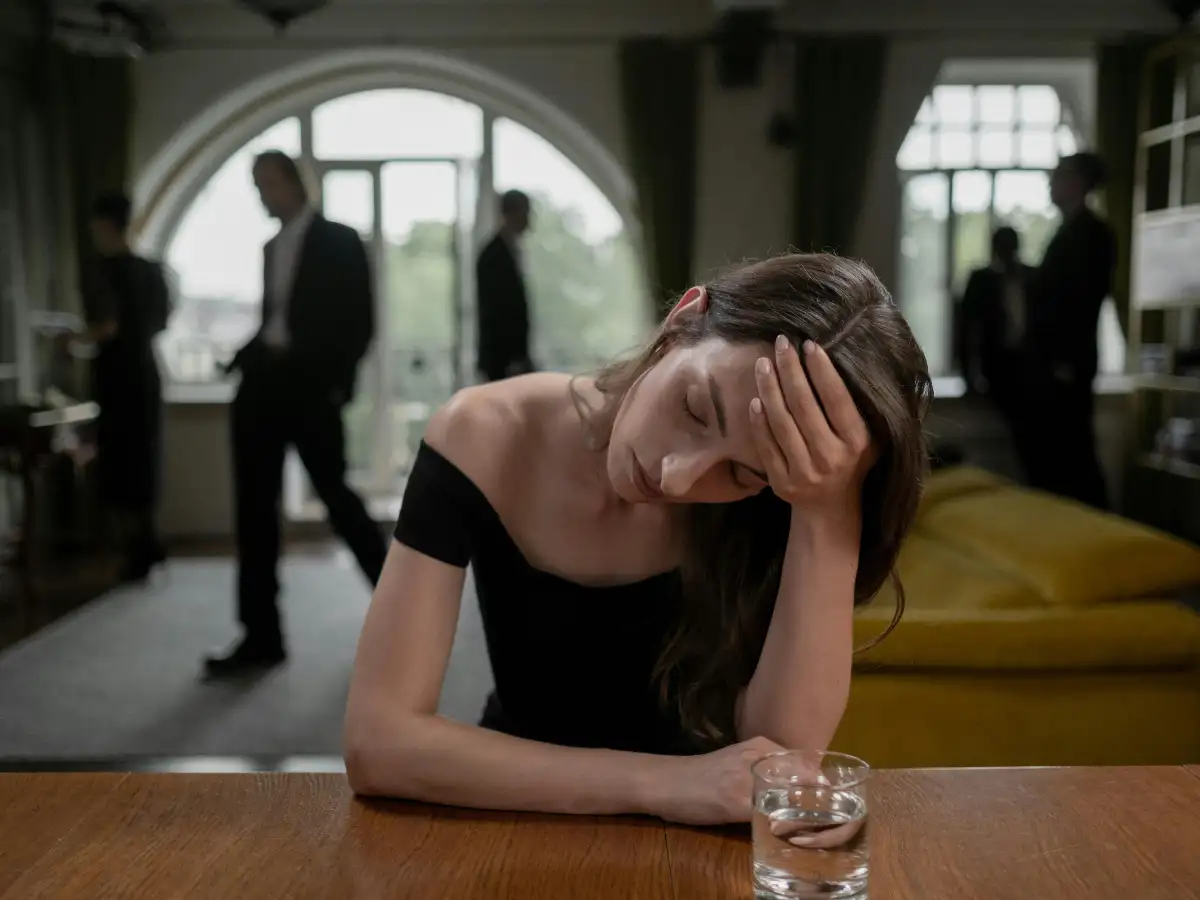
When one leaves a party early, steps back from an extended conversation, or seeks some peace after what was otherwise a pleasurable social encounter, one is considered someone who hates being around other people. Psychology provides a different story in this case, since scientists have begun to view social exhaustion as an experience shaped by factors beyond personality, such as attention, sensory processing, emotion regulation, and levels of daily stimulation. In most situations, the individual is not retreating out of hatred for socialization, but rather out of necessity because socialization is exhausting.
Social interaction can be mentally demanding
A 2025 study in the Journal of Personality explored social introversion, sensory-processing sensitivity, and the need for solitude. Social introverts and sensory-sensitive people were found to engage more in solitude, not due to a lack of interest in social interactions, but for the restorative benefits of being alone. The results indicate that the urge for solitude does not represent dissimilar attitudes towards socialization.
This conclusion is essential since socialization entails more than just talking. Individuals should constantly pay attention to facial expressions, perceive intonations, control their reactions, switch attention between speakers, and engage in many other minor processes. All these activities could pile up, especially in active conditions.