
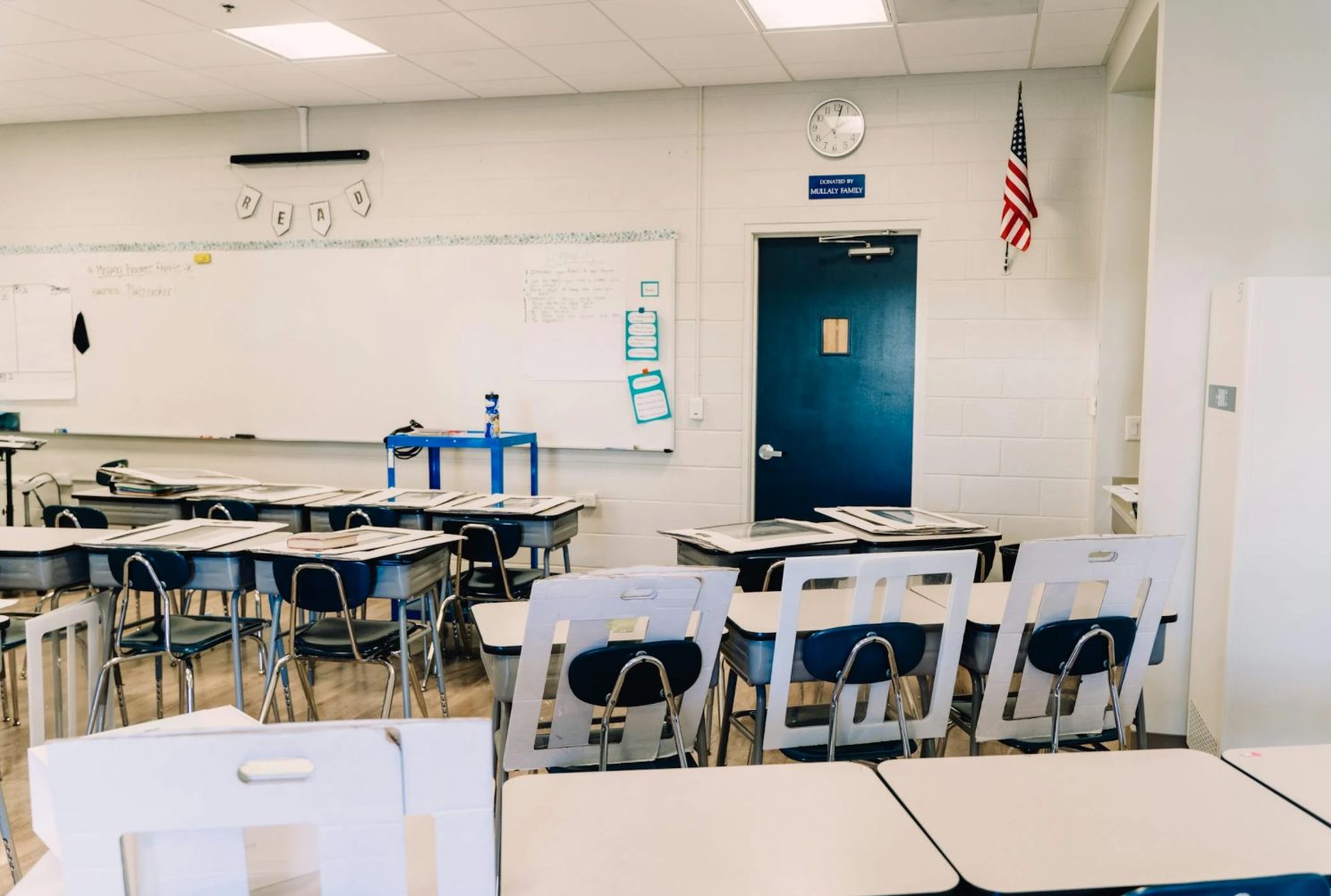
Schools across the country have spent the last several years redesigning classrooms to support students with autism, ADHD, anxiety, and sensory processing challenges. Soft lighting, fidget tools, quiet corners, and flexible seating have become common features in many “sensory-friendly classrooms.” While the idea sounds promising, many parents now say the reality falls short of expectations. Some families report that these classrooms still feel overstimulating, poorly staffed, or inconsistent in how sensory support is delivered. As districts invest more money into inclusive learning environments, parents and advocates are asking whether schools are truly meeting the needs of neurodivergent students or simply adopting trendy labels.
Parents Say the Classroom Design Alone Isn’t Enough
Many parents say schools focus too heavily on appearance instead of individualized support. A classroom may include beanbag chairs, dim lamps, and sensory toys, but those features do not automatically help children regulate emotions or stay focused. Families often report that teachers receive limited training on how to properly use sensory accommodations throughout the school day. Some students become overwhelmed when sensory tools are treated like rewards instead of structured supports tied to learning goals. Parents also worry that schools sometimes market classrooms as “sensory-friendly” without consulting occupational therapists or autism specialists during the planning process.
Sensory Overload Still Happens in Many Schools
Parents of neurodivergent children say sensory overload remains one of the biggest daily challenges despite these classroom updates. Loud hallways, buzzing fluorescent lights, crowded cafeterias, and sudden schedule changes can still trigger anxiety or meltdowns. According to a 2026 survey from Ambitious About Autism, many autistic students continue to miss school because the environment feels emotionally and physically overwhelming. Some families say schools concentrate sensory support in one classroom while ignoring the rest of the campus experience. Experts note that true sensory-friendly classrooms require consistency across the entire school environment, not just one redesigned room.
Teachers Are Struggling With Limited Resources
Many educators support sensory-friendly classrooms but admit they often lack the staffing and resources needed to make them effective. Teachers frequently manage large class sizes while balancing multiple learning needs at once. In some districts, one teacher may supervise students across several grade levels while also handling behavioral support responsibilities. Recent concerns in Houston ISD highlight how parents fear disruptions to special education services could negatively affect student progress and emotional stability. Without enough aides, therapists, and specialized training, even well-designed sensory-friendly classrooms can become difficult to manage effectively.
Some Sensory Tools Can Become Distracting
Sensory tools help many children focus, but parents and teachers say misuse has become a growing concern in classrooms. Fidget toys, noise-reduction headphones, and movement breaks are meant to support self-regulation, yet some schools report students using them as distractions instead of learning aids. Several schools in the United Kingdom recently introduced restrictions on certain sensory toys because they became disruptive or unsafe during class. Parents argue that banning these tools entirely misses the larger issue, which is the lack of clear guidance and individualized support plans. Specialists say sensory-friendly classrooms work best when accommodations are tailored to each child rather than applied as one-size-fits-all solutions.
Families Want More Transparency and Accountability
One of the biggest frustrations parents describe is inconsistent communication from schools. Families say they are often told their child is thriving in a sensory-friendly classroom, only to later discover ongoing emotional distress or academic struggles. Some parents also report difficulty accessing classroom data, behavioral reports, or individualized sensory plans tied to their child’s IEP. Trust can quickly break down when schools promote inclusion publicly but fail to explain how accommodations are actually measured or adjusted over time. Parents increasingly want school districts to provide clearer benchmarks showing whether sensory-friendly classrooms improve attendance, emotional regulation, and learning outcomes.
Why Experts Say Sensory-Friendly Classrooms Still Matter
Despite criticism, most experts agree that sensory-friendly classrooms remain an important step toward more inclusive education. Occupational therapists and autism advocates say sensory-aware learning spaces can significantly reduce stress when implemented correctly. Flexible seating, quiet zones, visual schedules, and predictable routines often help students stay engaged and emotionally regulated. However, specialists emphasize that sensory-friendly classrooms should never replace trained staff, individualized learning plans, or strong communication between parents and educators. Successful programs usually involve collaboration between teachers, therapists, administrators, and families working together consistently throughout the school year.
The Bigger Lesson Schools Cannot Ignore
Parents are not rejecting sensory-friendly classrooms entirely, but many believe schools oversimplified what neurodivergent students actually need to succeed. Creating supportive learning environments requires more than calming colors and sensory bins because every child processes the world differently. Families want schools to invest in properly trained staff, realistic classroom sizes, individualized support plans, and campus-wide sensory awareness. As conversations around autism and ADHD continue growing nationwide, schools may need to rethink how inclusion works beyond social media-friendly classroom designs.
What changes do you think schools should make to create learning environments that truly support neurodivergent students? Share your thoughts and experiences in the comments below.
What to Read Next
The Grocery Costs Parents of Sensory-Sensitive Kids Say No One Talks About
8 Ways Schools Are Supporting Children With Sensory Processing Issues
Sensory Processing Alert: Why More Families Are Requesting School Accommodations
The post Parents Say These ‘Sensory-Friendly’ Classrooms Aren’t Actually Working appeared first on Kids Ain't Cheap.