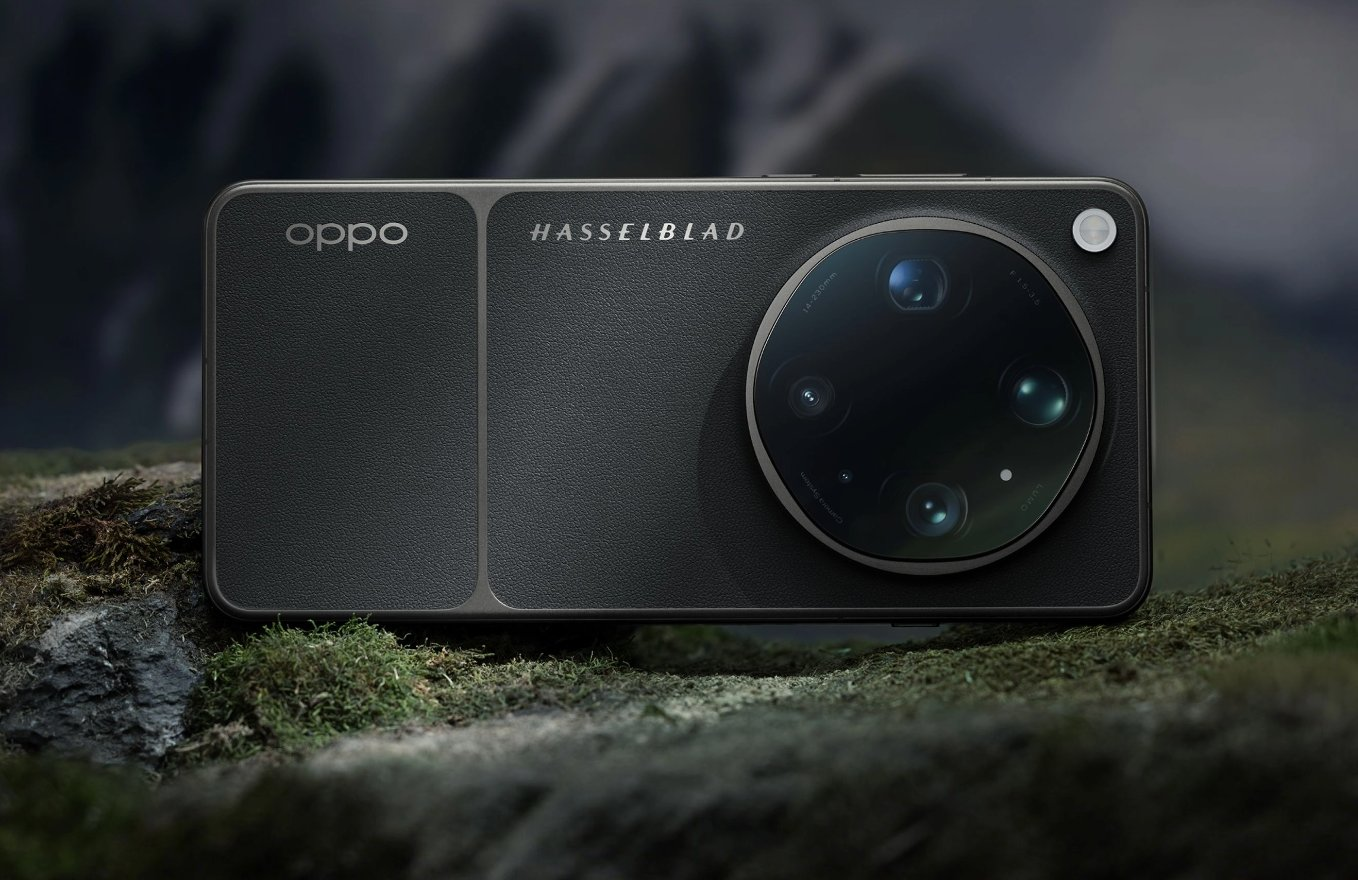
Photography equipment has historically required choices — a wide lens or a telephoto, a large sensor or portability, manual control or automatic convenience. The OPPO Find X9 Ultra , launching in Italy in April 2026, tackles a long-standing photography dilemma by packing extensive optical versatility into a standard smartphone form factor.
The Eight-Focal-Length System
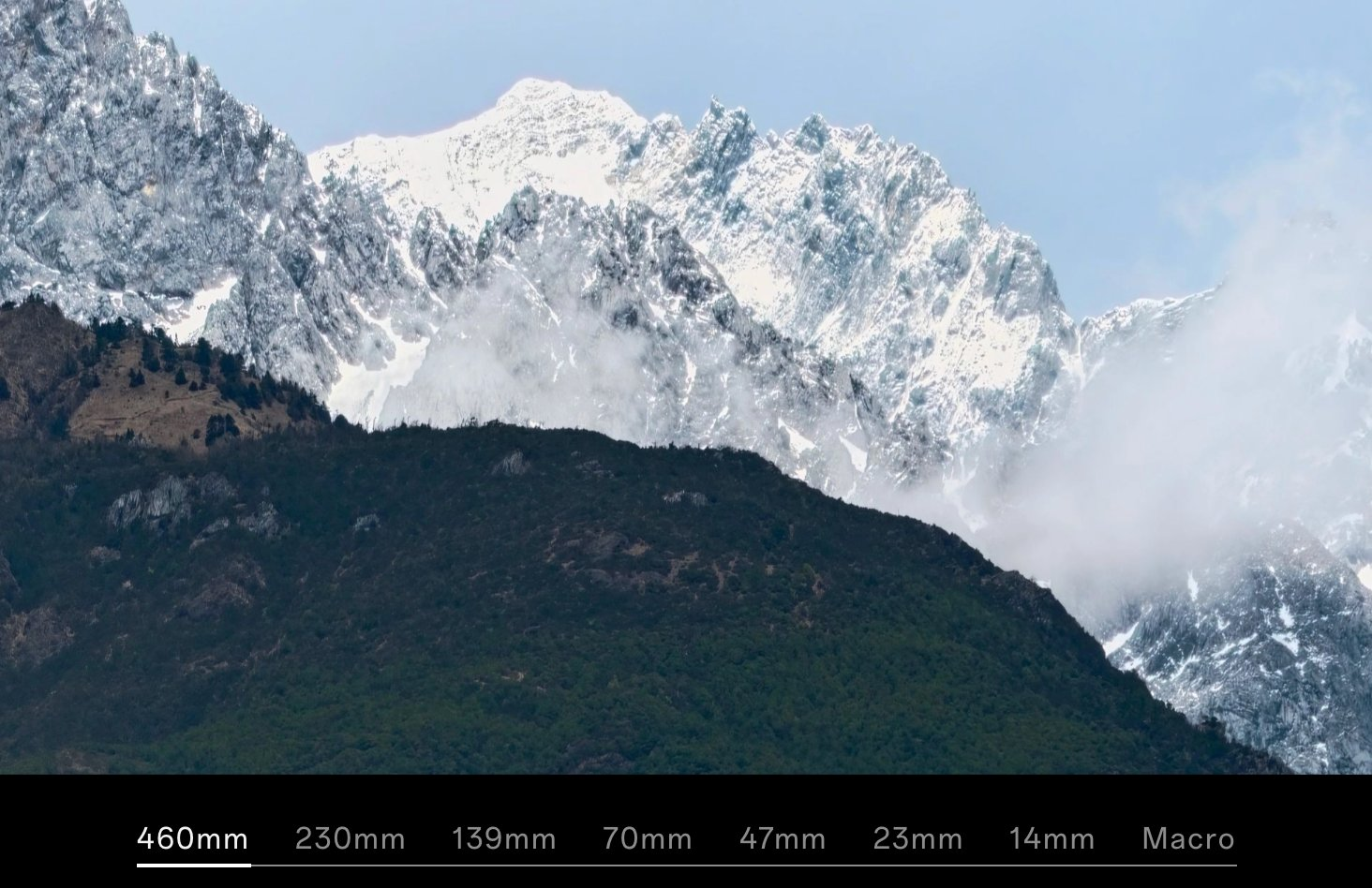
Despite marketing claims of an 'eight-focal-length system', the phone actually uses a quad-camera setup. It achieves those intermediate focal lengths by using high-resolution 200MP sensors for clean in-sensor crops between the native 14mm, 23mm, 70mm, and 230mm lenses. The optical foundation covers the most-used focal lengths: 14mm ultra-wide at f/2.0 with a 1/1.95-inch sensor, 23mm main at f/1.5 with a 1/1.12-inch Sony sensor, 70mm portrait telephoto at f/2.2 with a 1/1.28-inch sensor, and 230mm ultra-telephoto at f/3.5.
The main camera at 23mm has been redesigned with Simultaneous Triple Exposure — capturing multiple frames simultaneously to build higher dynamic range into the base image rather than relying purely on post-processing to recover blown highlights or lifted shadows. This architectural change produces results that hold up better when editing, particularly in high-contrast Italian landscapes where the difference between sunlit stone and shadow is extreme.
What makes the 200MP capture at both 23mm and 70mm significant is the resolution available for cropping. Advanced multi-frame fusion at 200MP means a tightly cropped portion of an image retains detail at a level that 50MP captures don't match. The real highlight here is the 70mm portrait telephoto. By combining a 200MP resolution with a 1/1.28-inch sensor, it actually features a larger sensor than the primary cameras found on many rival flagship phones.
Hasselblad Master Mode: The Full Manual Option
New-Generation Hasselblad Master Mode on the OPPO Find X9 Ultra gives manual access to ISO, shutter speed, focus, and white balance, with nine film-style presets alongside the technical controls. The shooting output options include RAW MAX — the highest-fidelity lossless format — alongside JPG MAX, ProXDR, and Master Motion Photo.
Because the wide 65mm aspect ratio demands a different approach to framing, the resulting XPAN outputs often carry a deliberate, cinematic composition that distinctively separates them from standard smartphone snapshots. This is a different proposition from JPEG output, however good the JPEG processing is — RAW MAX gives latitude for exposure correction and white balance adjustment that compressed formats simply can't recover. The nine film presets serve a different segment: photographers who want Hasselblad-influenced aesthetic character applied in-camera without post-processing.
The Hasselblad Natural Colour Solution runs across all captures, providing color calibration built from Hasselblad's medium-format color science. The commitment to true-to-scene rendering rather than over-saturated output is a deliberate design choice — the colors read as documentary rather than processed.
Hasselblad XPAN: The Panoramic Format
For panoramic shots, the XPAN mode accurately mimics the classic Hasselblad XPAN film camera, delivering the same iconic 65mm wide aspect ratio historically favored for landscape and street photography. Film switching, the characteristic XPAN aspect ratio, and beautifully enhanced image quality combine in a format that reads as a deliberate creative choice rather than a post-crop. For Italian photographers working across architecture, coastlines, and hill towns, the XPAN format creates outputs that look composed rather than captured.
10× Optical Telephoto: Bringing Distance Into Frame
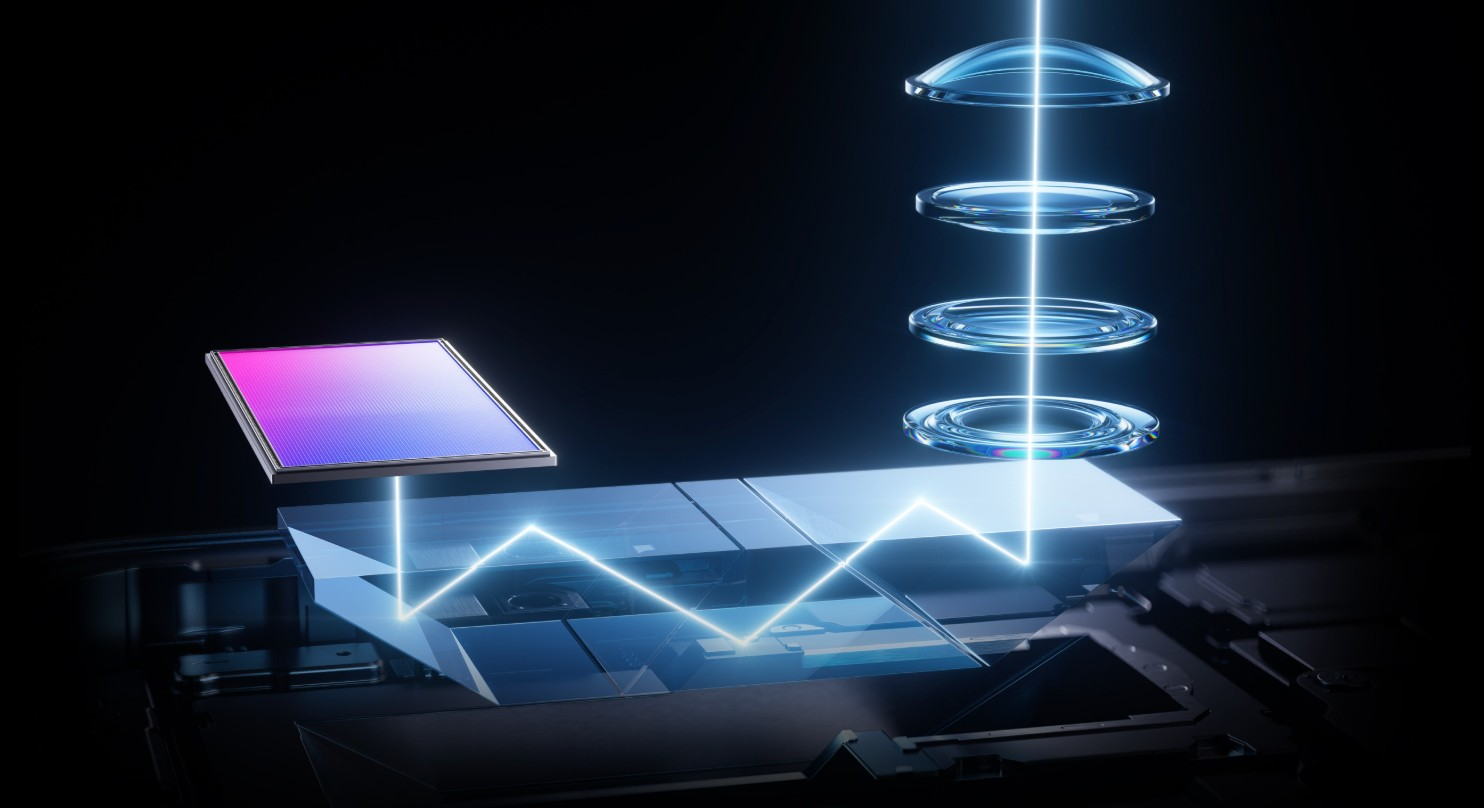
The 50MP ultra-telephoto uses a Quintuple Prism Reflection Periscope Structure — five light reflection stages in the periscope system rather than the standard two or three. The engineering result is a native 10× optical zoom at 230mm f/3.5 with a 1/2.75-inch sensor. At 20× optical-quality zoom via AI enhancement, the output remains usable for serious photography purposes. The 120× digital zoom range extends further but relies progressively on AI reconstruction.
This telephoto configuration is the key differentiator from the OPPO Find X9s in the photography context. The OPPO Find X9s carries a 3× periscope telephoto at 73mm; the OPPO Find X9 Ultra's 10× native optical reach is a fundamentally different tool — the spatial compression at 230mm changes compositions in ways that 73mm cannot.
The True Color Camera
A dedicated color correction lens captures color temperature and spectral data across 24 spectral channels, feeding real-time color accuracy across all captures with 15EV dynamic range. This hardware-level color acquisition produces tonal accuracy that pure software color science cannot fully replicate.
A Realistic Note
The OPPO Find X9 Ultra weighs about 235–236g, which is the cost of fitting this camera system into a phone form factor. Weighing up to 236g and measuring 9.10mm thick, this is undoubtedly a heavy, bulky smartphone. This heft is simply the physical trade-off necessary to fit dual periscope lenses and a massive 7050mAh battery inside. The device is also thick at about 8.65mm (Canyon Orange) or about 9.10mm (Tundra Umber).