Young men are reportedly embracing “bum-maxxing,” a member of the online “maxxing” family that has nothing to do with improving their appearance.
While “looksmaxxing” focuses on maximizing one’s physical attractiveness, “bum-maxxing” is all about making oneself more desirable in the dating scene.
And just like “looksmaxxing,” which includes extreme methods such as taking steroids and tapping one’s face with a hammer, this trend is also giving experts a headache.
Young men are embracing a dating trend that involves acting emotionally unavailable to attract women
Image credits: Unsplash
“Bum-maxxing” is a dating technique in which men become emotionally unavailable to their suitors. They tell women they’re busy and disappear for days, believing this will make them seem more mysterious.
“Bum-maxxing is when men intentionally act in a way that’s toxic, self-interested, and emotionally unavailable,” dating coach Hayley Quinn told Tyla.
While this “chaotic guy” dating profile is far from new, Quinn explained that it appeals specifically to a generation of men who supposedly tick all the boxes, including being educated and having stable jobs, but still can’t get a match or a second date.

After being rejected by previous dates, they feel empowered by doing the same to their next date—even though they’re two different people.
“Bigger picture, many men feel totally locked out of the dating scene,” Quinn said. “Being drawn to radical solutions like bum-maxxing stems from disappointment and rejection.”
This time, it’s the women doing the chasing, which makes these young men feel more confident.
Men are being encouraged to disappear for days and act “too busy” in the hope of appearing more desirable

Image credits: Unsplash
“What bum-maxxing promises is that you can protect yourself from rejection by operating constantly from a place of emotional distance,” the dating coach told Tyla.
“I can see why this is appealing to some men; however, ultimately, it’s selling a fantasy.”
As Quinn noted, “bum-maxxing” does not end up benefitting the men who follow it as if it were a recipe for success. First, they miss out on the chance to meet many women who want to feel valued in a relationship. Second, they’re left with the feeling that their actions did not reflect their true selves.

“When people feel they must put on an act to attract someone, it erodes their self-worth,” she told Tyla.
“What bum-maxxing effectively says is, ‘Don’t be you, be this guy instead,’ which is seriously toxic.”
Quinn advised men to meet more women in real life rather than through a screen, develop better communication skills, and set healthy boundaries in their dating lives.
“Longer run, this can both honour who they are, and get them much better results with dating.”
It comes as nearly 80% of Gen Z and Millennials said they feel burned out by dating apps, citing different reasons
Image credits: Unsplash
One thing is certain for young adults trying to find love in the digital age: they would prefer to meet their partner in person.
A 2025 Forbes Health survey revealed that endless swiping is leading to fatigue. A whopping 79% of Gen Z and 80% of Millennials reported feeling burned out by dating apps.
The biggest reason is the inability to find a meaningful connection, an explanation given by 40% of respondents.
This is followed by disappointment with their matches (35%), feeling rejected (27%), and having repetitive conversations while chatting with multiple matches (24%). Others pointed to the pressure to present themselves a certain way, while another group said they felt exhausted by maintaining profiles across multiple dating apps.

Along with dating apps came new terms to describe different behaviors that, while they certainly existed before the internet, have become more common due to the combination of quick connections and the disposable nature of modern dating.
These include “ghosting,” which is similar to “bum-maxxing,” except that the person does not play hard to get, but simply disappears overnight after months of talking.
“Bum-maxxing” is just one of many terms born in the age of dating apps
Image credits: Unsplash
There is also “love-bombing,” a form of emotional and psychological manipulation that involves showering someone with flattery, affection, and gifts while moving the relationship at a very fast pace. The goal is to gain control over the other person, making them feel indebted to and dependent on the manipulator.
“Gaslighting,” another form of mental manipulation that was Merriam-Webster’s Word of the Year in 2022, is when someone uses specific patterns of behavior to make someone question their sanity, feelings, and their ability to make decisions.

The term comes from the 1938 British play Gas Light, where a toxic husband lies to his wife and tries to convince her that she’s “crazy” to gain access to her family jewels.
Some examples of “gaslighting” include a partner accusing you of being overly emotional or too sensitive, blaming you for things you didn’t do, denying responsibility for their mistakes, deflecting arguments instead of addressing problems, and questioning your judgment.
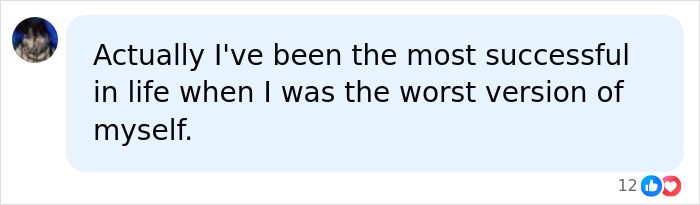
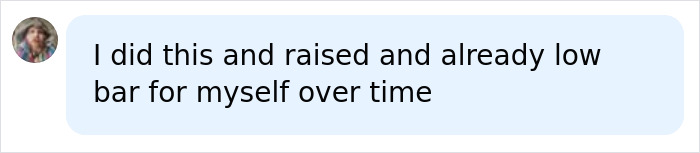
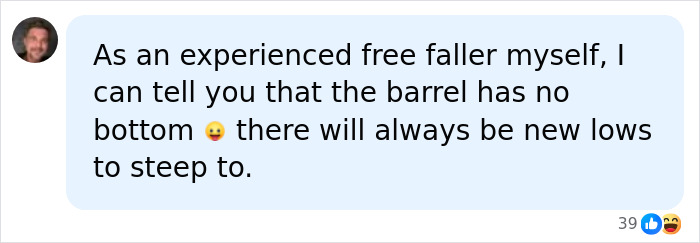
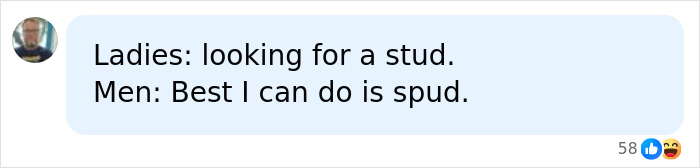
Social media users debated the “highly problematic” dating trend