The conflict in Iran could mean UK inflation ends the year closer to 3 per cent, versus the current 2 per cent forecast, should energy prices stay as they are, the Office for Budget Responsibility (OBR) has warned.
Professor David Miles from OBR questioned whether in a worst case scenario the UK could now afford an energy price bailout similar to the one Liz Truss brought in after Russia’s invasion of Ukraine.
It comes as prime minister Keir Starmer has suggested he could help protect households and businesses from the soaring cost of energy and petrol prices due to the impact of the Iran-US war.
“Referring to the conflict in the Middle East, the prime minister said that no matter the headwinds, supporting families will always be at the forefront of his mind,” a readout from Downing Street stated.
Concerns are rising as the cost of a barrel of oil topping $100 for the first time since 2022 and similar rises in gas prices thanks to the issues in the Middle East.
Rachel Reeves warned petrol stations “price gouging” will “not be tolerated” after concerns were raised that suppliers are trying to take advantage of the conflict to overcharge drivers at the pump.
Key Points
- Starmer hints at help for households and businesses over impact of Iran war
- OBR questions whether government can afford a 2022 style energy bail out
- Dip in prices seen today 'unlikely to be last word in current crisis'
- Economist warns of permanent damage to oil market with UK in especially weak position
- Gas prices also plunge this morning
- Landing ship RFA Lyme Bay could be deployed to Mediterranean
Calls for direct support for customers hit by home heating oil price rise
16:45 , Becky WhittakerStormont’s Finance Minister has called for direct support from the UK Government to people in Northern Ireland struggling with the rise in the cost of home heating oil following the start of war in the Middle East.
John O’Dowd said the powersharing Executive does not have the financial “firepower” to fund any relief scheme.
The minister said he believed the cost of any such initiative could run into hundreds of millions of pounds.
Chancellor Rachel Reeves has already acknowledged the “unique issues” around heating oil, which is used by around two thirds of domestic properties in Northern Ireland.
Global oil prices have risen sharply in response to the crisis in the Middle East, with Iran launching strikes in response to attacks by the US and Israel.
The Consumer Council said the average price of 500 litres of home heating oil in Northern Ireland saw an 81 per cent increase in a week after the start of the conflict.
The heating oil market in Northern Ireland is unregulated, unlike gas and electricity.
NHS leaders call for increased investment amid fear over ‘soaring’ energy costs
16:29 , Rebecca WhittakerHealth Editor Rebecca Thomas reports:
NHS leaders have warned soaring entry costs will hit already pressed budgets.
Rory Deighton, acute director speaking on behalf of the NHS Confederation and NHS Providers, which represents NHS hospitals and primary care providers told The Independent: “Spiralling energy costs in recent years have landed NHS trusts with huge bills.
“Health leaders will be understandably worried then that hard-pressed budgets will come under further strain if fuel and energy costs start to soar because of ongoing instability in the Middle East.
“While NHS leaders will be looking at different ways to manage their energy costs in the short term, in the longer term it's vital the health service gets more capital investment to bolster the NHS' energy security as it moves towards net zero."
Strait of Hormuz: Why the blocked waterway is sparking market chaos
16:15 , Rebecca WhittakerThe US and Israel’s war with Iran has effectively halted shipments through the Strait of Hormuz, where a fifth of global oil and liquefied natural gas normally passes along Iran's coast, and producers have run out of storage and stopped pumping.
In the latest of near-daily reported attacks on shipping that have stopped tankers braving the strait, the UK Maritime Trade Operations Centre reported that crew aboard a bulk carrier in the Gulf had witnessed a splash and a loud bang.
After Iran chose its hardline new leader, oil prices briefly surged to nearly $120 a barrel on Monday. But by 1100 GMT on Tuesday, Brent crude had settled back down to around $92, suggesting traders now expected the disruption to end soon.
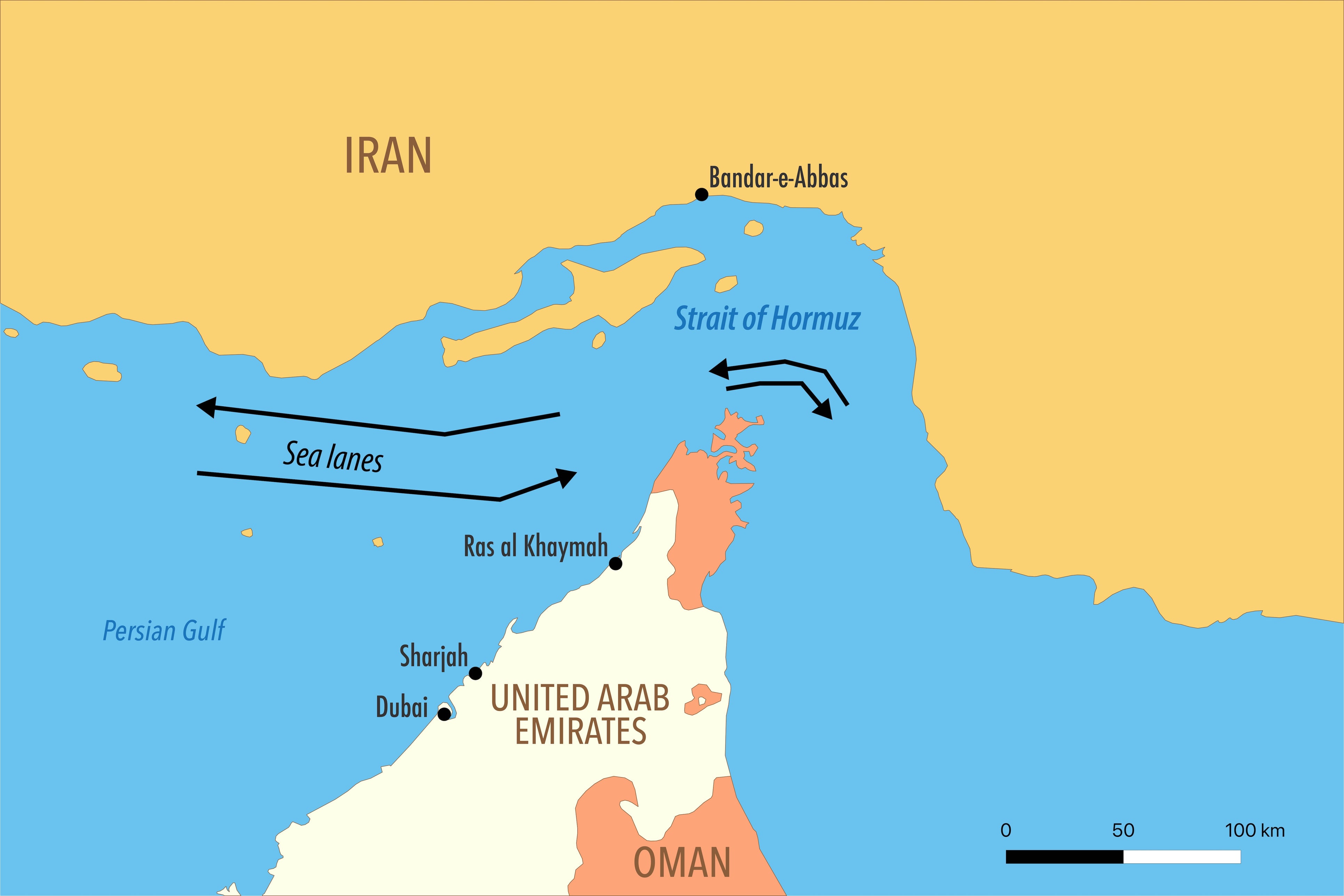
Trump said on Monday that US military might was sufficient to keep oil flowing. If Iran blocks oil through the strait, "We will hit them so hard that it will not be possible for them or anybody else helping them to ever recover that section of the world," he said.
A spokesperson for Iran's Islamic Revolutionary Guard Corps dismissed Trump's remarks, saying Tehran would not allow "one litre" of Middle Eastern oil to reach the US or its allies while US and Israeli attacks continue.
"We are the ones who will determine the end of the war," the spokesperson said.
In a later Truth Social post, Trump said: "If Iran does anything that stops the flow of Oil within the Strait of Hormuz, they will be hit by the United States of America TWENTY TIMES HARDER than they have been hit thus far."
Son of British couple trapped in Tehran prison asks Trump for help after being ‘let down’ by British government
15:45 , Rebecca Whittaker
Son of Brit couple trapped in Iran asks Trump for help after being ‘let down’ by UK
FTSE 100 is up 1.77%
15:28 , Rebecca WhittakerBusiness and Money editor Karl Matchett reports:
Pending any late-afternoon fall-off, it has proven a strong recovery session for the FTSE 100 and Europe's main indices.
Germany's DAX, France's CAC 40 and the Euro Stoxx 50 index are all up well over 2 per cent, while the FTSE 100 is up 1.77 per cent.
The reason it climbs less today is that it fell less over the past few days - that's the defensive resilience of London's index mix, with, for example, the energy majors rising while others were falling across last week.
In another sign of cautious optimism, US stocks have opened higher too - the S&P 500 is up 0.5 per cent and the Nasdaq up 0.75 per cent.
Of course, any soundbites from US-based politicians in the coming hours could yet affect much, especially if there's any hint that matters in Iran will not be wrapped up as fast as the president suggested yesterday.
For now, Brent crude oil remains at around $87.50, a drop of more than 11 per cent since yesterday - yet still considerably higher than before the strikes started.
Watch: Foreign Office no-go warning for Dubai leaves British travellers ‘stranded in paradise’
15:15 , Rebecca WhittakerAnalysis: OBR admission on inflation is terrible news for Reeves
15:08 , Rebecca WhittakerPolitical editor David Maddox reports:
While Professor David Miles of the Office for Budget Responsibility (OBR) was trying to play down the impact of Donald Trump’s war on Iran’s impact on the economy he could not mask the “unwelcome” news about inflation.
The fact is that he now estimates inflation will be 50 per cent higher at the end of the year than the estimate the OBR produced for last week’s Spring Statement.
So instead of ending the year at 2per cent inflation it is more likely to be 3 per cent.
This is perhaps not a surprise given that the OBR estimates were done weeks before the war and the Spring Statement itself.
The even bigger problem was that falling inflation was the only figure produced last week which justified Ms Reeves’ rather bold claims that her plan is working on the economy.
Every other indicator was bad - particularly growth estimates downgraded and unemployment expected to go up.
So with inflation now getting worse as well it makes the beleaguered chancellor’s job even harder and suggests everything is going in the wrong direction under her stewardship.
OBR questions whether government can afford a 2022 style energy bail out
14:54 , Rebecca WhittakerPolitical editor David Maddox reports:
Professor David Miles from the Office for Budget Responsibility (OBR) has questioned whether in a worst case scenario the UK could now afford an energy price bailout similar to the one Liz Truss brought in after Russia’s invasion of Ukraine.
He told MPs: “I think the cost of the support package ban in 2022 was very substantial - something like £50bn.”
However, he suggested that there may not be the need for a similar package with the Middle East war.
“That was for a very much bigger increase [in energy prices], particularly in gas prices, than we are seeing at the moment.”
He pointed out that in 2022 gas prices were up 500 per cent whereas currently they are up 50 per cent.
But he added: “If you get a shock large enough then 50bn is a big number in the context where you have got £23bn [of headroom from the Budget] which underlines how difficult it would be to have a support package like that.”
The UK doesn’t have only two days’ supply of gas left: Here’s why you shouldn’t panic
14:50 , Rebecca WhittakerA government minister has criticised “dangerous scaremongering” following claims that Britain has just two days of gas stored despite threats of disruption from the US-Iran conflict.
The reports emerged after analysis of data from National Gas – which owns and operates the nation’s gas transmission system – showed that it had 6,999 gigawatt hours (GWh) of fossil gas stored on Saturday. This is down from 9,105 GWh a year earlier.
These claims are based on some small truth: if the UK were to use only gas currently in storage without replenishment, it would run out in around 3.5 days (based on average nationwide use of 2,000 GWh a day).
However, storage increased to 7,510 GWh on Tuesday, showing that the claims perhaps aren’t as concerning as they appear.
Read more here by Albert Toth:
The UK doesn’t have only two days’ supply of gas left: Here’s why you shouldn’t panic
Conflict in the Middle East could cause inflation to be nearer 3%
14:43 , Rebecca WhittakerThe Office for Budget Responsibility has said conflict in the Middle East could mean UK inflation ends the year closer to 3 per cent, versus the current 2 per cent forecast, should energy prices stay as they are.
British Airways to suspend its daily rescue flights
14:41 , Rebecca WhittakerBritish Airways has announced it will suspend its daily rescue flights from Muscat “due to reduced demand”.
It added that the suspension of its flights to the rest of the region will continue until at least later this month because of “the continuing uncertainty of the situation in the Middle East and airspace instability”.
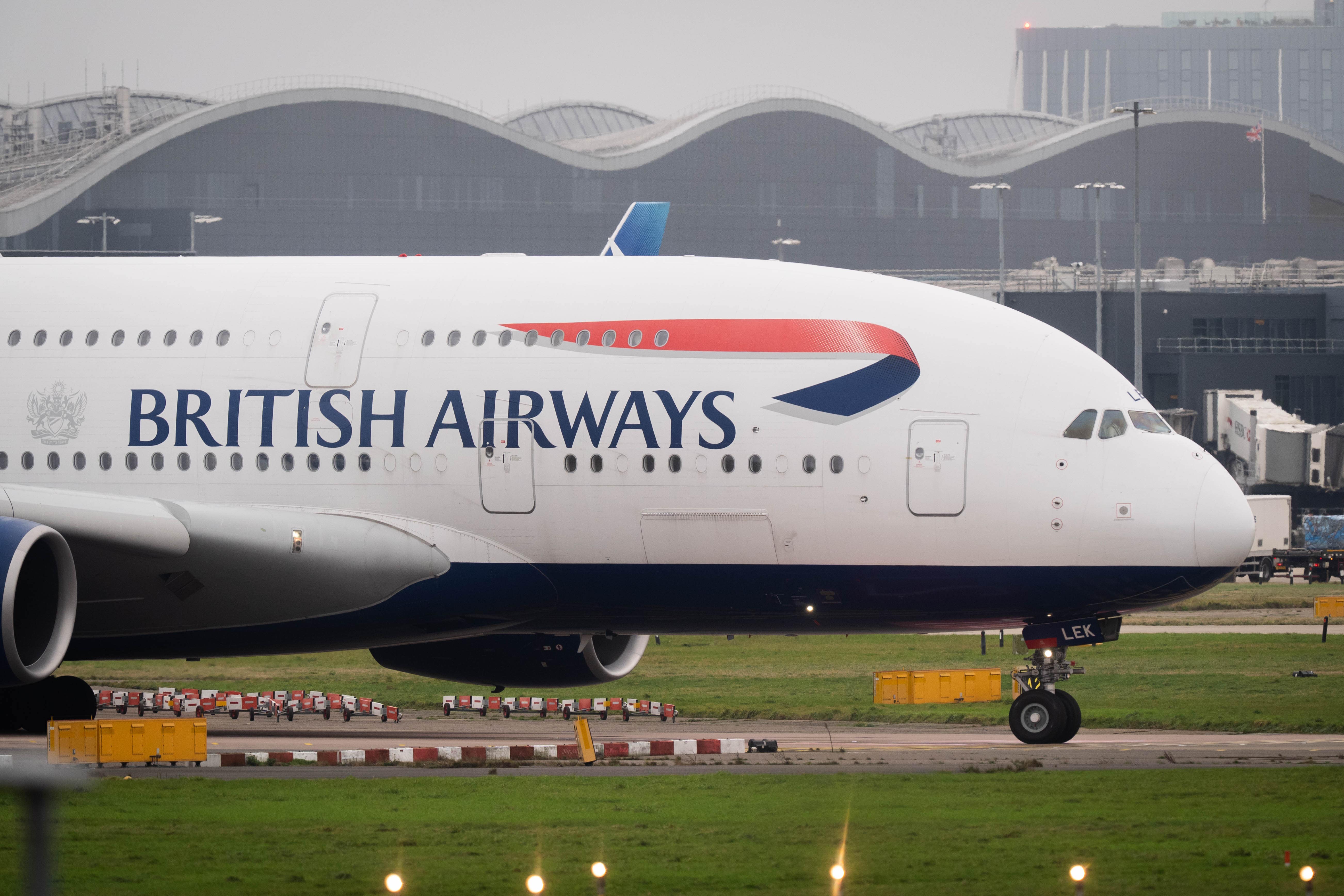
The airline said: “We’ve cancelled all flights to and from Amman, Bahrain, Doha, Dubai and Tel Aviv until later this month and to and from Abu Dhabi until later this year.
“We’re keeping the situation under constant review and are in touch with our customers to offer them a range of options.
“We have limited seats remaining on our repatriation flights from Oman (Muscat) to London Heathrow on 11 and 12 March for customers with an existing booking.
“Following these dates, the flights will pause due to reduced demand but will be kept under continuous review.”
OBR upgrades inflation estimate by 50 per cent because of the Iran war
14:38 , Rebecca WhittakerPolitical editor David Maddox reports:
Professor David Miles has been asked about the impact of the Iran war on the Office for Budget Responsibility (OBR) forecasts in the spring statement last week.
Prof Miles along with Tom Josephs produced the OBR estimates weeks before the war began and has now told MPs that he believes inflation will be nearer 3 per cent by the end of this year rather than 2 per cent.
He told the Commons Treasury select committee: “It’s a very fast moving situation. Prices in the oil and gas market have moved around a great deal. He noted that spot prices (the price oil is sold at) are up by just above 20 per cent.
“Relative to the picture we had taken where the markets were they are up a bit more than and gas prices up 50 to 55 per cent.”
He said: “If things stayed the same…we had thought taking it all into account inflation would be around 2 per cent. We think inflation would now be nearer 3 per cent.”
He added: “Materially significant but as yet not on the same scale of Russia’s invasion of Ukraine. It is enough to be noticeable and definitely not welcome.”
Fuel price hike could be ‘the straw that breaks the camel's back’ for struggling care homes, sector leader warns
14:30 , Rebecca WhittakerHealth Editor Rebecca Thomas reports:
Martin Green, chief executive of Care England, which represents care home providers across the UK, said the price hike in fuel following the war with Iran, could be a “significant” problem for care homes that have central heating.
He said: “Unlike domestic [homes], we have to keep the energy levels at pretty much the same rates in the winter and the summer because we use the hot water for things like laundry, etc, as well as having people [in homes] who feel the cold more.
”When asked if this could affect care homes' ability to run Mr Green said: “Absolutely it could.”
“It could be the straw that breaks the camel's back because these care providers are running on empty, many of them.
“So if they get a financial shock, and of course, the other issue is that as a regulated sector, you can't do things that you might do in another business. So, for example, if you were in a hotel, you might say, okay, we know we're going to close for a fortnight because we'll then have no staff to pay or whatever. You can't do that in social care.
“So there aren't any options open for us other than paying [for fuel] and if we have big, significant amounts of extra money [to pay], there is not enough money in the system, and those [care] services will just go to the wall.”
Watch: What is happening with oil prices and what it means for your money
14:20 , Rebecca WhittakerSecond British ship being prepared to respond to Middle East crisis
14:10 , Rebecca WhittakerA second British ship could be sent to the eastern Mediterranean if the Middle East crisis continues.
Landing ship RFA Lyme Bay is being prepared for a potential deployment to the region.
The vessel has aviation and medical facilities allowing it to assist in any evacuation effort.
A Ministry of Defence spokesman said: “As part of prudent planning, we have taken the decision to bring RFA Lyme Bay to heightened readiness as a precaution, should she be needed to assist in maritime tasks in the eastern Mediterranean.”
Type 45 destroyer HMS Dragon is due to be sent to the eastern Mediterranean to help protect Cyprus and the RAF bases there from further drone or missile attacks by Iran and its proxies.
Foreign Office no-go warning for Dubai airport leaves British travellers ‘stranded in paradise’
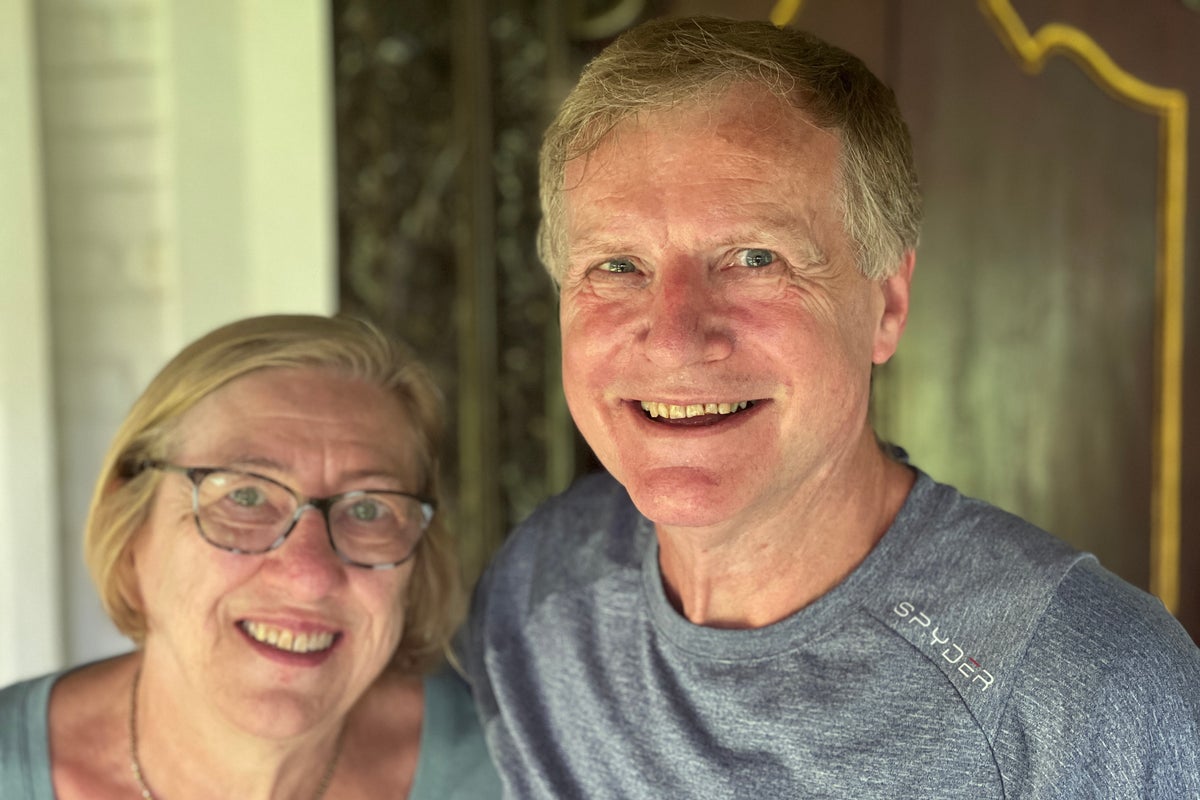
14:00 , Rebecca WhittakerA British couple have described being “stranded in paradise” due to Foreign Office advice against travel to Dubai.
Jeff and Wendy Spencer, from Surrey, left the UK on 31 January for a month-long tour to New Zealand.
They added a three-night stay in Bali on their way back. Their homebound flights from the island were booked for 6 March on Emirates via Dubai to London Heathrow.
But that plan was scuppered by Iran’s response to the US-Israel attack.
Travel correspondent Simon Calder reports:
Foreign Office no-go warning for Dubai airport leaves Britons ‘stranded in paradise’
UK shot down a drone in Iraqi airspace
13:45 , Rebecca WhittakerThe UK shot down a drone in Iraqi airspace overnight, the Ministry of Defence has said.
In its latest Middle East operational update, the department said: “Overnight, a ground-based British counter-uncrewed aerial systems unit took out a drone in Iraqi airspace which was heading towards coalition forces.
“British pilots have now completed more than 230 flying hours on defensive operations protecting British people, bases and partners in the region.”
Why aren’t renewables better protecting the UK from energy price shocks amid Trump’s war on Iran?
13:40 , Rebecca Whittaker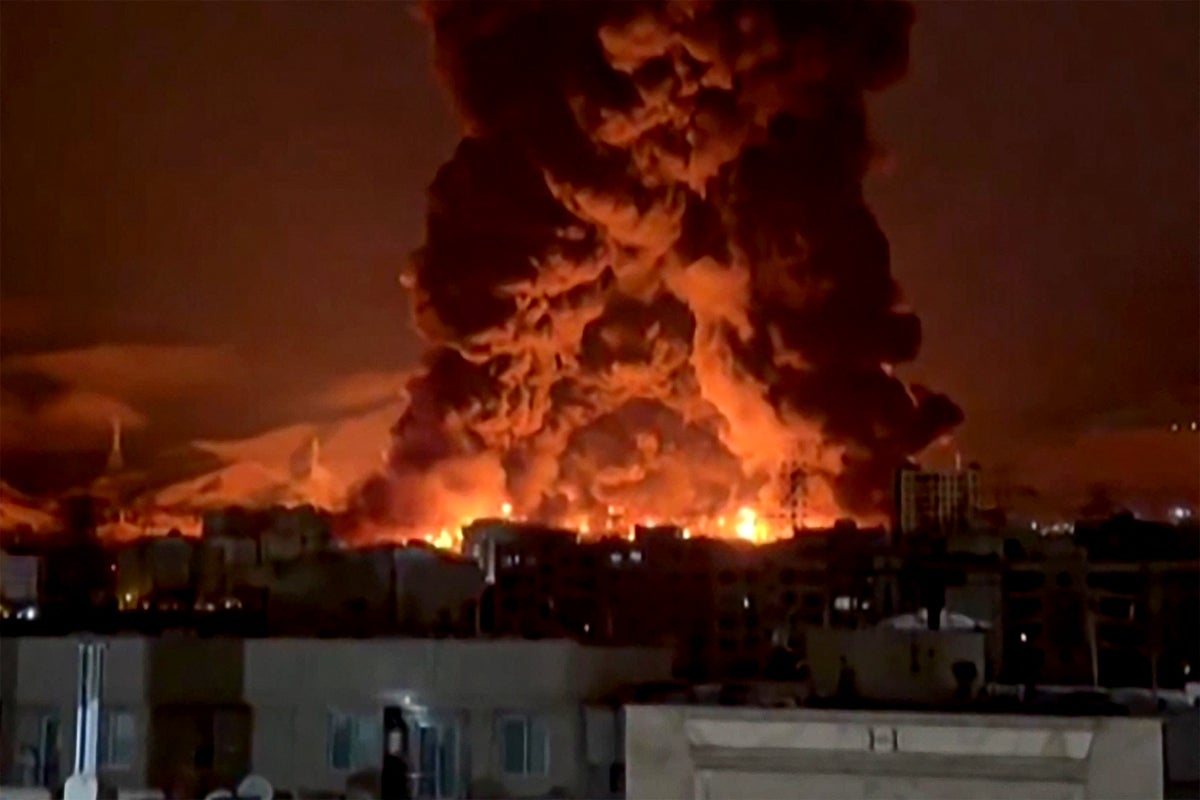
Why aren’t renewables better protecting the UK from energy price shocks?
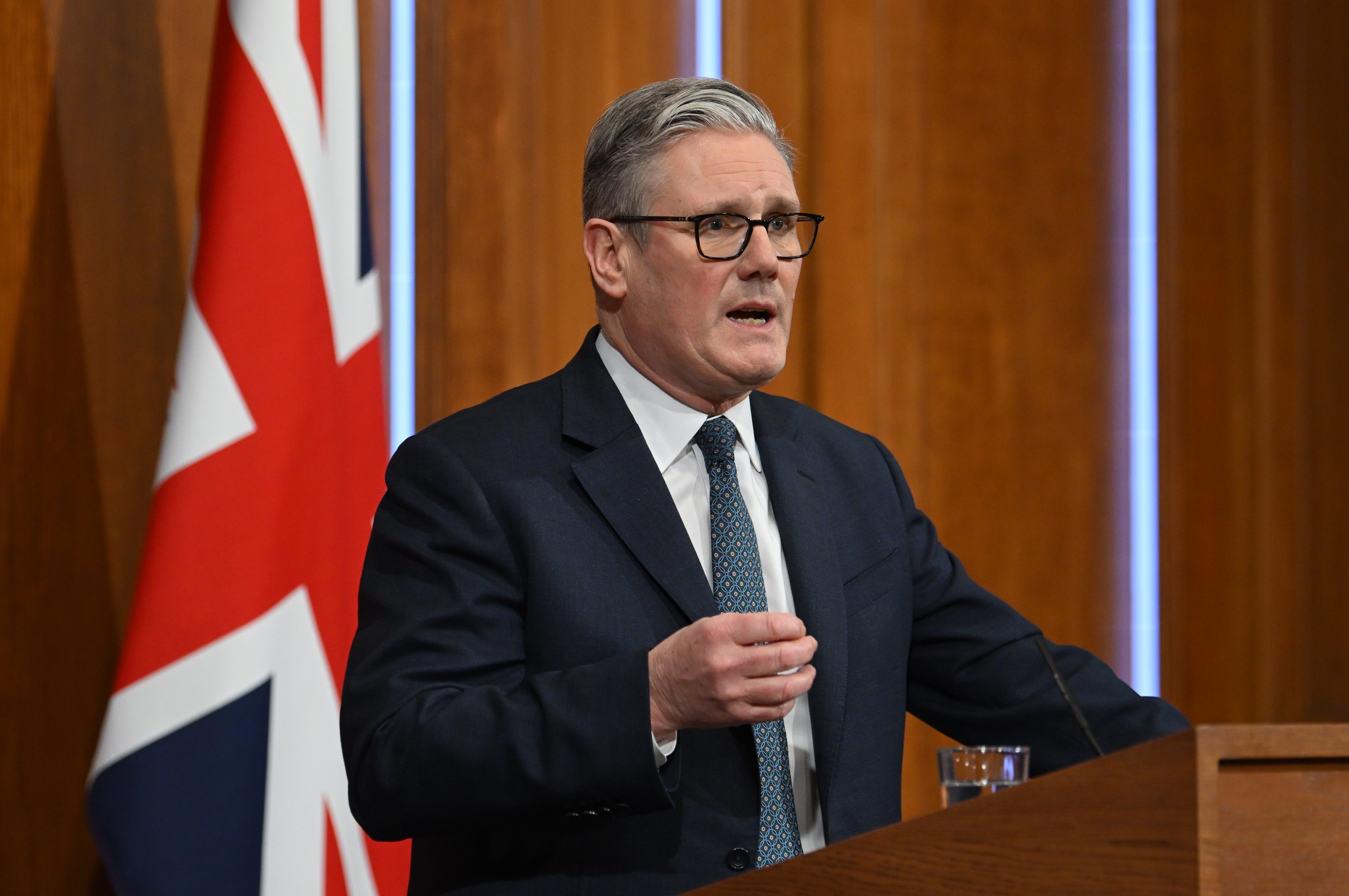
Starmer hints at help for households and businesses over impact of Iran war
13:38 , Rebecca WhittakerPolitical editor David Maddox reports:
Donald Trump’s war on Iran and its potential impact on household and business energy bills as well as fuel costs was only the second item of business in today’s political cabinet meeting.
But the readout from Downing Street has again hinted that the government is considering some sort of intervention on capping bills or even reconsidering the 5p per litre hike in fuel duty planned by Rachel Reeves.
It stated: “Referring to the conflict in the Middle East, the prime minister said that no matter the headwinds, supporting families will always be at the forefront of his mind.”
It comes as concerns rise over the cost of a barrel of oil topping $100 for the first time since 2022 and similar rises in gas prices thanks to the issues in the Middle East.
However, Ms Reeves made it clear in the Commons at Treasury questions that “all taxes are kept under review” but is reluctant to agree to remove the 5p fuel duty hike claiming petrol is already 11p cheaper per litre thanks to her measures.
Dozens more UK-bound flights to leave Middle East today
13:30 , Rebecca WhittakerPolitical reporter Athena Stavrou reports:
As the war across the Middle East continues to unfold, dozens more UK-bound flights are due to evacuate Britons from the region on Tuesday.
The prime minister’s spokesperson said on Tuesday: “Today, Tuesday, 36 flights, are scheduled to land in the UK today, with eight flights I think landing so far.
“As of this morning, 173,000 British citizens have registered their presence with the FCDO.”
Reeves may raise mileage rates for drivers using cars for work
13:20 , Rebecca WhittakerRachel Reeves has indicated she will raise the tax-free amount drivers can claim back in expenses for mileage as she said costs had increased “significantly”.
The Chancellor was asked by Labour former minister Jim McMahon whether the figure would be changed.
The current 45p a mile rate was put in place in 2011. Mr McMahon said current costs of running a car worked out at about 67p a mile.
Ms Reeves said: “Whilst the approved mileage allowance payment rates have not changed since 2011, I recognise that motoring costs have evolved significantly and it’s an important issue for many people who claim motoring expenses.
“We’re therefore looking at the issue and will consider the matter further in the usual way as part of a future fiscal event.”
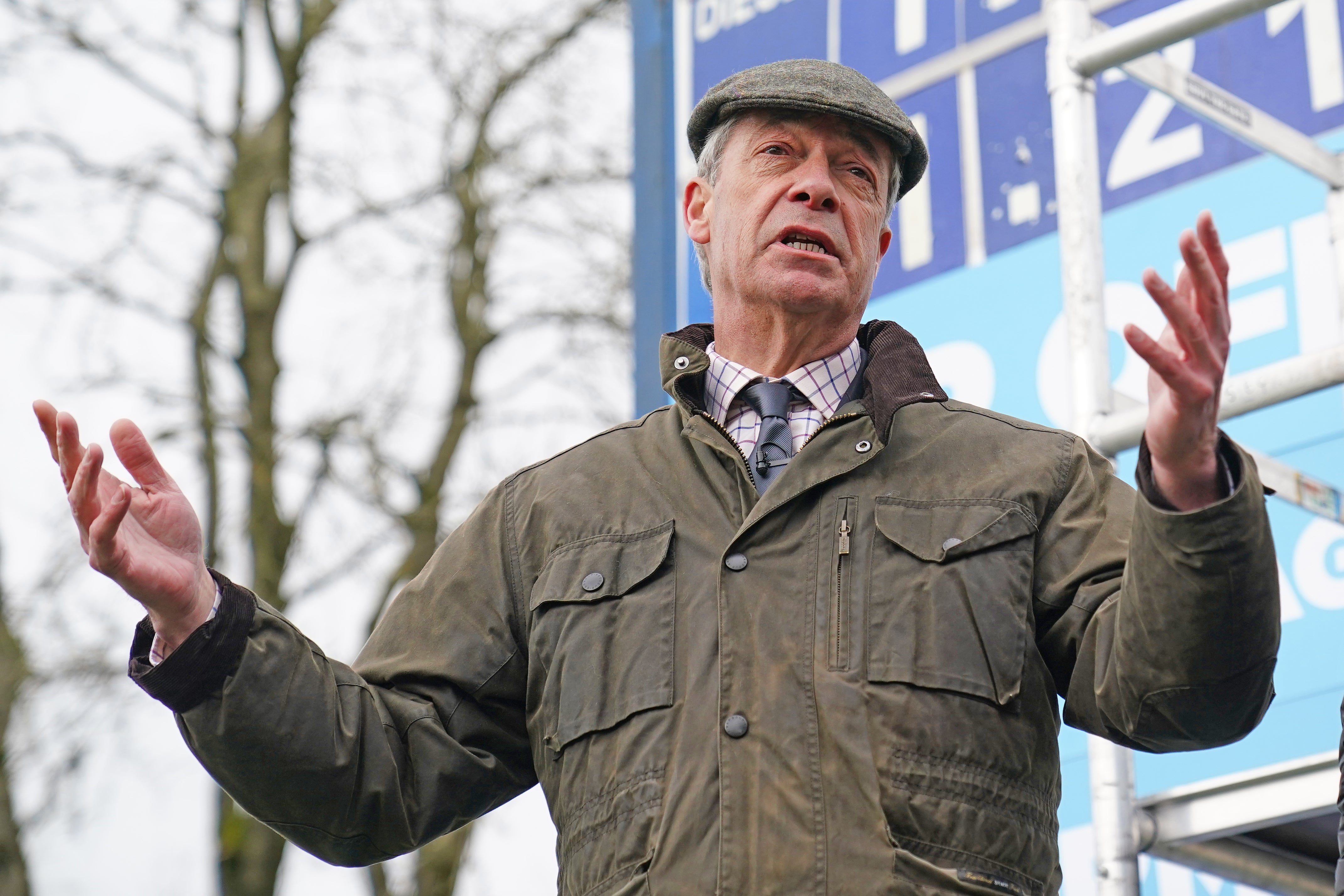
'Oil prices will normalise if and when the Strait of Hormuz is cleared,' says Nigel Farage
13:09 , Rebecca WhittakerOil prices will normalise if and when the Strait of Hormuz is cleared, Reform UK leader Nigel Farage has predicted.
Speaking at a petrol station in the Derbyshire Peak District Mr Farage said: “At nine o’clock yesterday morning, the price of heating oil was very different to what it was at six o’clock yesterday evening.
“You might have noticed the spot price of crude rocketed to nearly 120 dollars a barrel (and then) came down to 84 dollars a barrel.
“If the Straits of Hormuz are cleared – I accept that’s an if… oil will be back into the low 80s and heating oil will be similar.”
Trump says he will loosen oil sanctions after ‘very good’ call with Putin
13:00 , Tara CobhamMartin Lewis issues urgent energy bill advice as oil prices surge
12:48 , Nicole Wootton-CaneMartin Lewis has issued advice for those worried about their energy bills amid fears the war in the Middle East will spark another cost-of-living crisis in the UK, with fuel prices set to soar.
You can watch what the money saving expert had to say below:

Martin Lewis issues urgent energy bill advice as oil prices surge
Sterling recovers but investors still fear for global growth
12:40 , Tara CobhamSterling recovered from a Monday dip to trade 0.1 per cent higher at $1.3455.
Still, investors are worried that a sustained spike in fuel prices could curtail global growth by acting as a tax on business and consumption, while at the same time pushing central banks away from easing rates.
Chancellor issues warning to petrol retailers
12:20 , Tara CobhamPolitical editor David Maddox reports:
The chancellor has warned that “this government will not tolerate price gouging”.
Answering Treasury questions in the Commons, she noted that yesterday while some forecourts were charging £1.30 a litre others were charging more than £1.80.
There are concerns that some retailers are trying to take advantage of the Iran war to provide cover to increase costs at the pump.
Ms Reeves said she will be meeting representatives of fuel forecourts in the coming days.
Her warning comes just after a similar one was sent to the providers of heating oil by energy secretary Ed Miliband.