In a welcome relief for global economies, oil prices extended their decline on Friday and are headed for a steep weekly loss as shipping through the Strait of Hormuz gradually returns to normal following the US-Iran peace agreement.
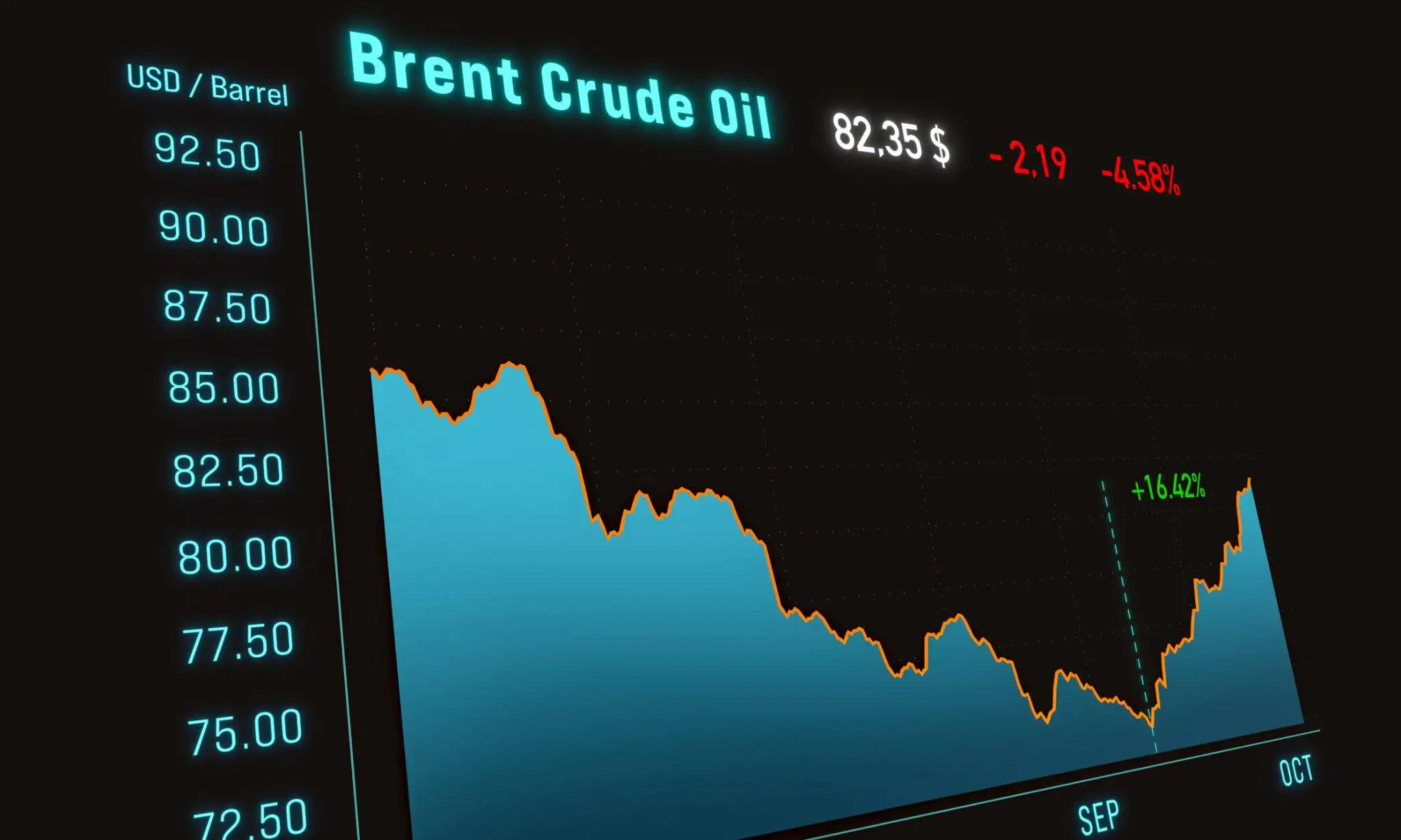
Crude oil price on June 19
Brent crude slipped toward $79 a barrel and is down more than 9% for the week. West Texas Intermediate for August was trading near $76 a barrel. This comes after tankers carrying previously stranded cargoes started moving through the waterway on Thursday, while Kuwait said it would begin increasing production.
The US Central Command said it had lifted restrictions on traffic to and from Iranian ports and coastal areas. Separately, the Joint Maritime Information Center advised vessels transiting the strait to follow a route closer to Oman’s coastline to reduce the risk from mines.
US President Donald Trump welcomed the developments and dismissed criticism from Iran hawks, including some of his allies, who argued that the agreement gave away too much to Tehran. “The Markets are loving what is happening with Oil Prices way down, and Stocks way up,” Trump wrote on social media.
The latest decline in crude prices has erased nearly all of the gains sparked by the conflict that began in February, when the US and Israel launched attacks on Iran over its nuclear programme. The Strait of Hormuz, which links the Persian Gulf to global markets and typically handles about a fifth of the world’s oil supply, had been affected by blockades imposed by both Tehran and Washington.
Vice President JD Vance sought to ease concerns that Iran could eventually charge tolls for vessels using the strait, a move that could generate revenue for Tehran. He also said the 60-day timeline for resolving key issues under the memorandum of understanding had formally begun.
Despite the recent slide in oil prices, a complete reopening of Hormuz is expected to be a complex process. It will require careful coordination of vessel movements, the restart of oil wells, repairs to infrastructure and agreement on de-mining operations. Some shipowners also remain wary of operating conditions in the strait and the wider Persian Gulf.
Analysts note that global oil inventories were depleted during the extended disruption of shipping through the Strait of Hormuz and will take time to rebuild. Stockpiles could continue falling before fresh Gulf supplies begin reaching international markets.
The focus now is on how quickly Middle Eastern producers can restore output and exports after wartime disruptions. Market participants are also tracking the pace at which shipping activity returns to the region.
Even if the ceasefire remains in place, analysts warn that shipping operations through the Strait of Hormuz could take several months to return to normal levels.
Last month, Saudi Aramco Chief Executive Officer Amin Nasser cautioned that disruptions in the Strait of Hormuz could delay a return to stability in global oil markets until 2027. According to Nasser, prolonged interruptions could affect nearly 100 million barrels of oil supply each week. Saudi Aramco remains the world's largest oil producer.
(Disclaimer: Recommendations, suggestions, views and opinions given by the experts are their own. These do not represent the views of The Economic Times)