Oil prices are falling on Tuesday after President Donald Trump said a deal to end the war in Iran could happen in "two or three days."
Brent crude, the international benchmark, dropped 2.13% and clocked in at $92.24 a barrel at 9:15 a.m. ET. West Texas Intermediate, the U.S. benchmark, did so by 2.60% and stood at $88.93 at the same time.
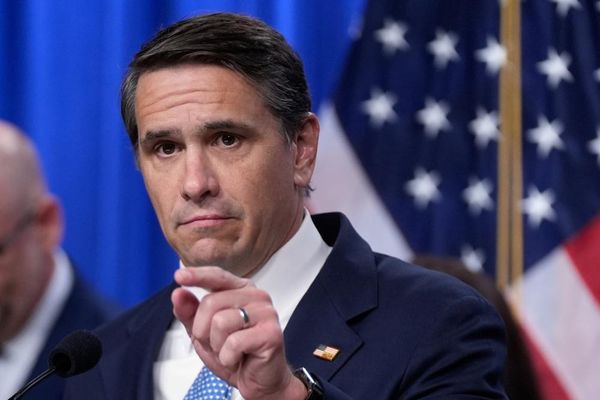
Speaking to press after attending the NBC Finals in New York, Trump said the Strait of Hormuz would be reopened "immediately" after a deal, which he described as "very good" and claimed it will "not in any way allow nuclear weapons."
The remarks follow a brief but significant escalation between Israel and Iran, which threatened to renew large-scale hostilities over the past days. The countries traded strikes after Tehran launched missiles to Israel for the first time in about two months over strikes against a Beirut suburb considered a Hezbollah stronghold. Both countries said on Monday they were ceasing operations but warned they were ready to strike again if targeted.
Analysts diverge on what the global scenario could look like if the war ends and the key waterway is reopened. At the same, Iraq and the United Arab Emirates are both intensifying plans to expand pipelines and avoid depending on the Strait of Hormuz as the blockade of the key waterway continues.
CNBC noted that the Iraqi cabinet last week approved plans to accelerate exports through its Kurdistan-Turkey pipeline network, potentially increasing shipments from about 220,000 barrels a day to some 770,000.
The outlet went on to note that, according to economic intelligence provider QuantCube Technology, the country's exports have all but dried up since the war began due to its reliance of the waterway, which remains blocked both by the U.S. and Iran.
Elsewhere, the UAE said last month that the pipeline it's building to bypass the Strait of Hormuz is almost halfway complete after accelerating construction.
Sultan Ahmed Al Jaber, CEO of Abu Dhabi National Oil Company, or ADNOC, announced the development in an interview with the Atlantic Council, saying "right now, too much of the world's energy still moves through too few chokepoints."
The pipeline will double the country's export capacity through the Fujairah port, which is located on the Gulf of Oman beyond the Strait of Hormuz. It is expected to become operational next year.