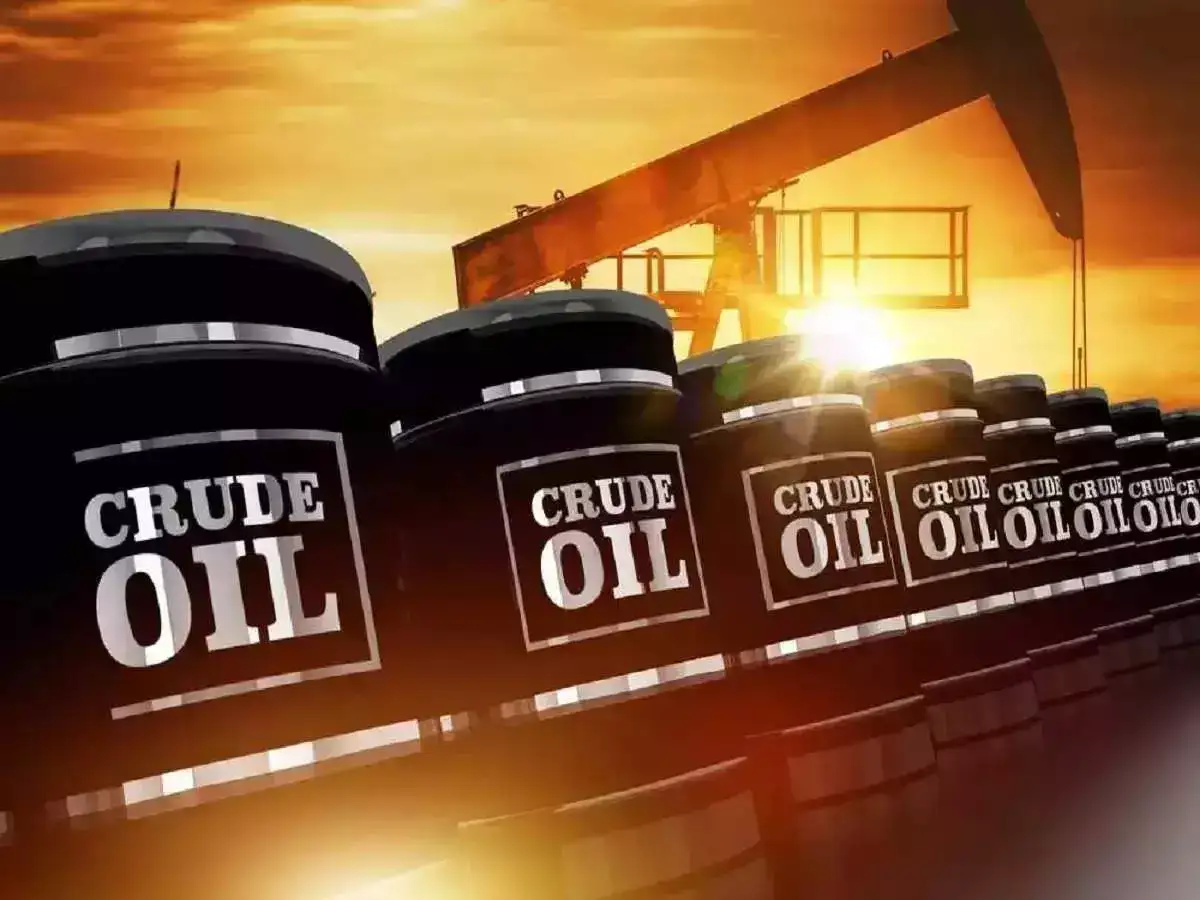
The start of peak summer fuel demand combined with the lack of new oil exports from the Middle East and depleting stocks could push the oil market into the "red zone" in July-August, the head of the International Energy Agency said on Thursday. "We may be entering the red zone in July or August if we don’t see that there are some improvements in the situation," Birol said in a speech at Chatham House in London, in reference to the oil supply crisis brought about by the Iran war.
Attacks on energy infrastructure and Iran's effective closure of the Strait of Hormuz have removed over 14 million barrels per day (bpd) of oil supply from the Middle East, the largest oil supply crisis in history.
Oil Crisis Hits Red Zone
Birol did not elaborate on what exactly a "red zone" would look like. But he said that the oil market surplus ahead of the Iran war, the IEA's coordinated 400 million barrel strategic reserve release, and commercial stockdraws combined are not enough to solve the crisis.
"The single most important solution is fully and unconditional opening of the Strait of Hormuz," Birol said.
The 32-member IEA's coordinated strategic reserve release, the largest such release in history, is now flowing to the market at a rate of about 2.5 million to 3 million barrels per day, Birol said.
At that pace, the final supplies from the initial 400 million barrel release will hit the market by the start of August, Reuters calculations show, coinciding with Birol's potential red zone.
The IEA is ready to coordinate further releases if necessary, Birol added.
When will Oil Production Recover in Middle East?
It will take a lot of time to bring Middle East oil production and refining capacity back to pre-war levels, and the recovery time will differ from country to country, Birol said.
"My biggest fear is Iraq," Birol said, as its finances have been damaged substantially by reduced oil revenues, and as a lack of storage capacity has forced Iraq to shut down oil fields, which can be complicated to revive.
On the other hand, countries like Saudi Arabia and the UAE have access to finance and leading technologies that could make the recovery smoother, he added.
Brent oil futures were trading around $108 per barrel on Thursday, off their wartime highs of $126 per barrel, but still significantly above the $70 per barrel they were trading at before the Iran war began.