Known to his 6.3 million Instagram followers as La Liendra, influencer Mauricio Gómez has built a social media career on light-hearted content that leans heavily on Colombian culture and his rise from humble roots.
But in November 2024 he sparked controversy by posting a 90-second video depicting himself alone in a kitchen crushing a pill, tipping the powder into a drink, gesturing to the camera that it would send his partner to sleep, and then in a bedroom passing the drink to her. He then prepares an elaborate romantic surprise around her as she apparently lays in a deep sleep.
“HAPPY BIRTHDAY MY PRINCESS,” the caption reads in Spanish.
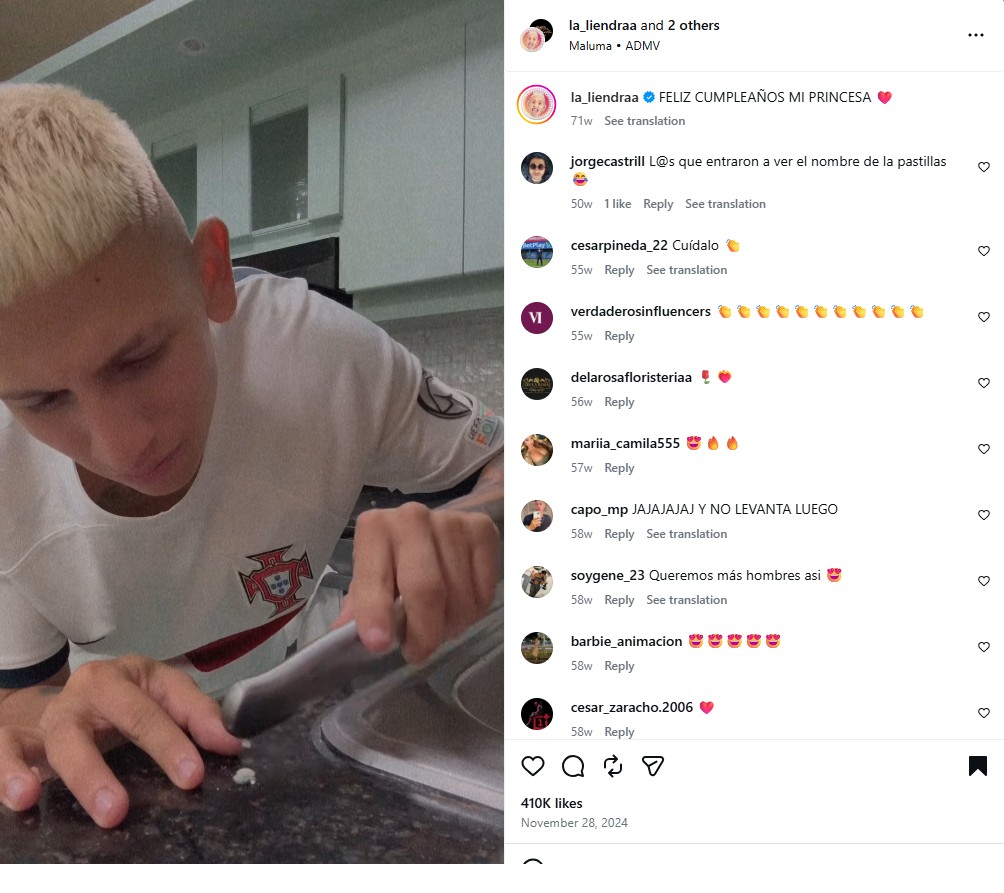
Mauricio Gómez “La Liendra” is seen crushing up a pill in the video. (Credit: La Liendra / Instagram)
Many comments visible below the video at time of publication are celebratory or find humor in what it depicts. “We want more men like this,” reads one of the top comments in Spanish. “Warm-hearted, I never thought you were such a good person,” says another. Another simply says: “HE PUT HER TO SLEEP HAHAHAHAHA.”
But in a country where drink-spiking is a major public concern, members of the public and anti-violence advocates found the imagery jarring and deeply ill-judged. Online backlash to the video was swift and civil society groups condemned it. Local media covered the uproar and Gómez’s partner – fellow influencer Dani Duke – sought to quell the outrage by publicly declaring her devotion for her partner, without addressing the video directly.
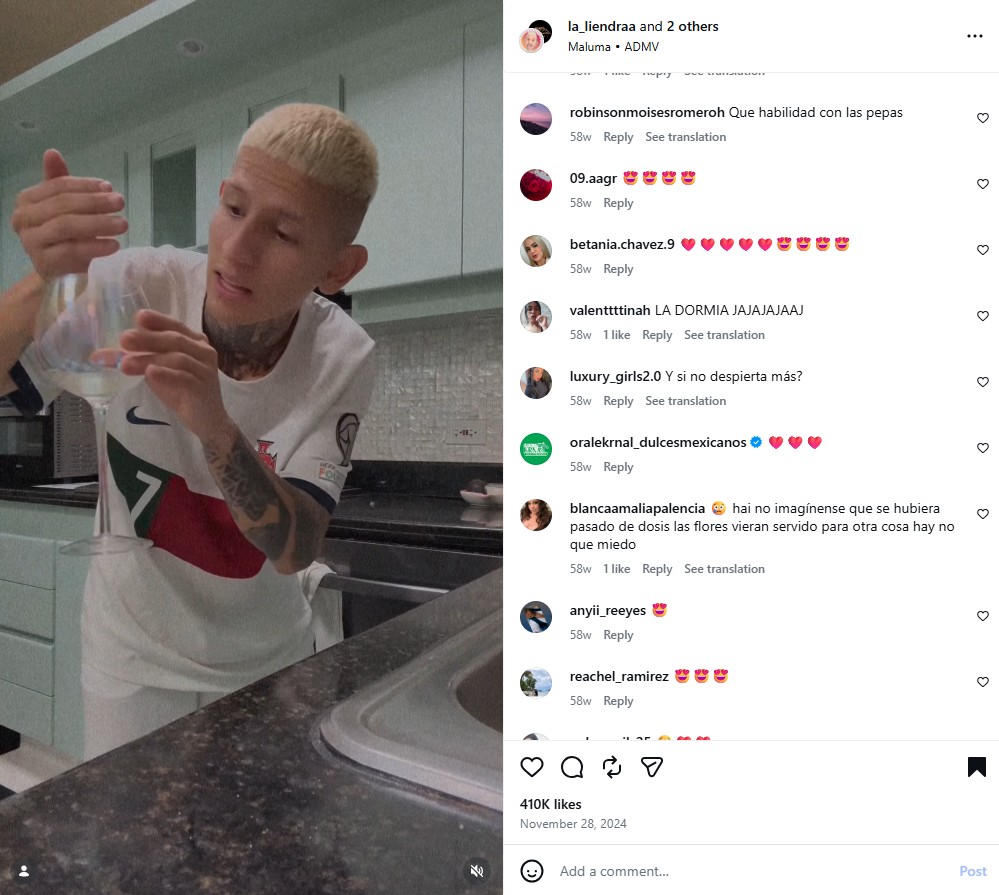
Mauricio Gómez “La Liendra” pours the powder into a wine glass. (Credit: La Liendra / Instagram)
Supporters of Gómez, meanwhile, played down the post by saying the pill was likely melatonin – a sleep hormone that is freely available in Colombia but prescription-only in dozens of countries. Yet the controversy persisted. The question was how long it would roil the pair for.
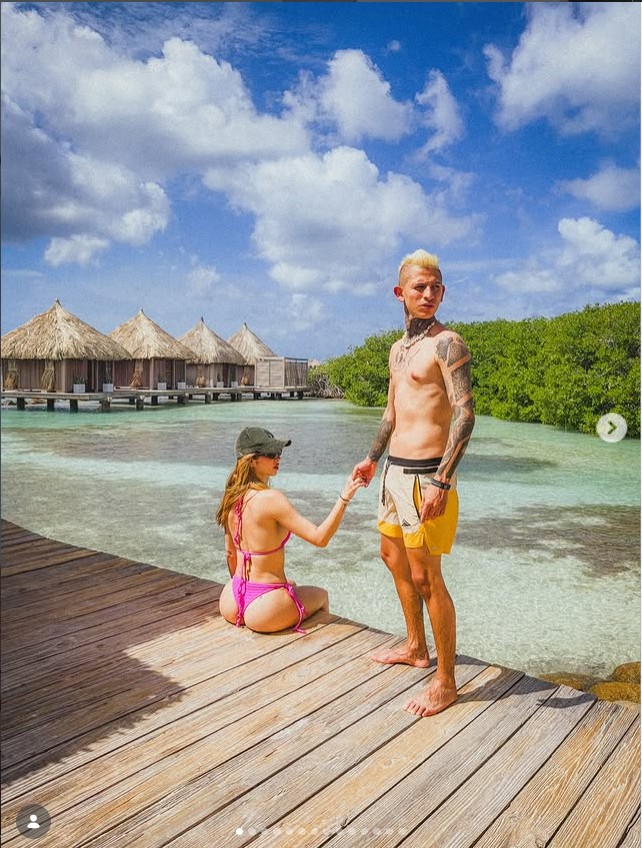
Dani Duke and Mauricio Goméz “La Liendra” (Credit: La Liendra / Instagram)
From mock drugging to prime-time TV
The answer was not long at all. Coverage of the controversy quickly dissipated from the press and little more than a month after posting the video, major television station RCN announced Gómez as a participant in the upcoming 2025 season of reality show La Casa de los Famosos Colombia.
The subsequent publicity surrounding his appearance centered on his rags-to-riches story, and once Gómez entered the house in February 2025, mainstream media coverage focused on the usual grist of reality TV: alliances, rows, punishments, romantic tension, fan reaction and, eventually, his elimination in late April.
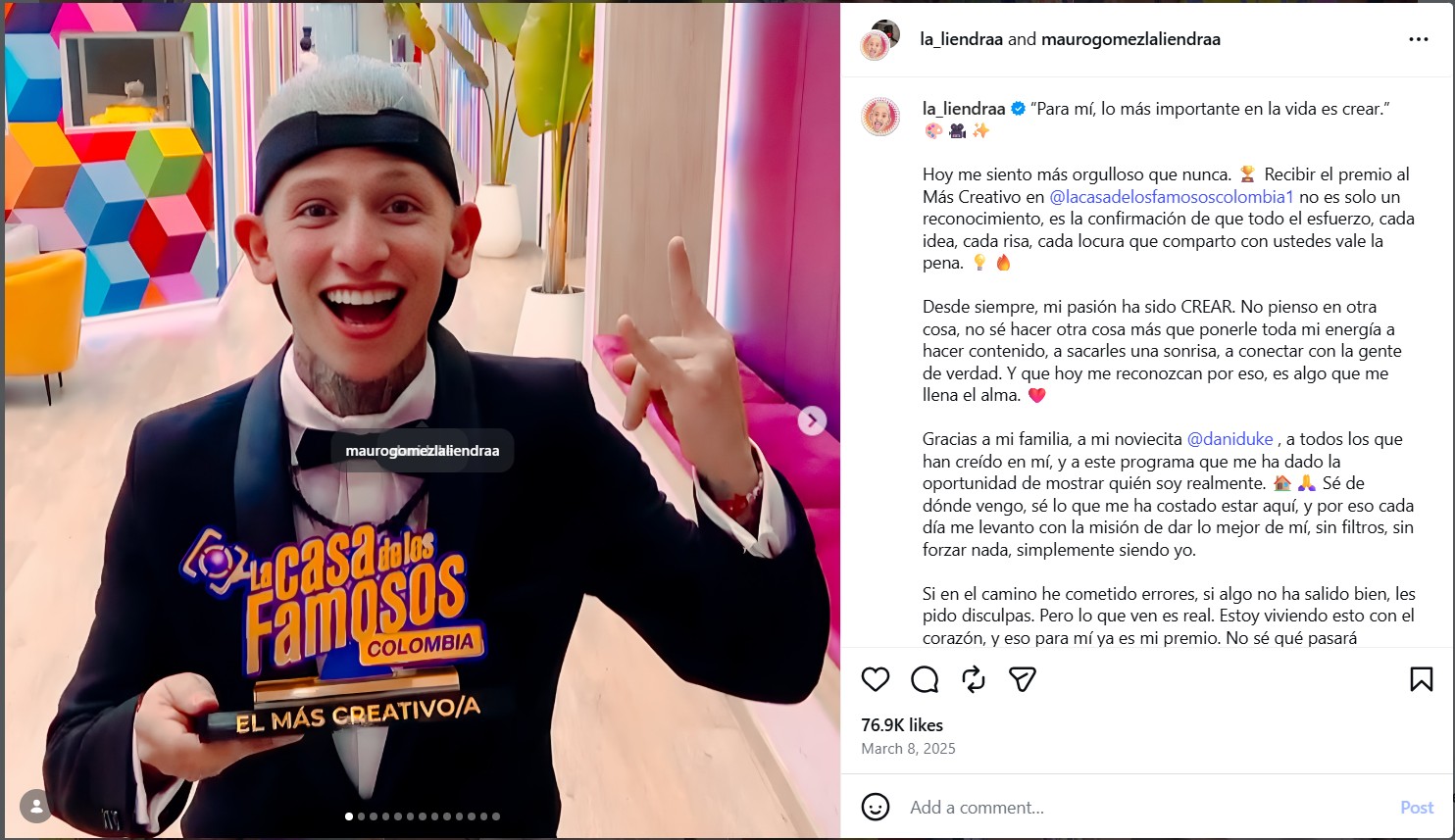
Mauricio Gómez “La Liendra” holds an award for “the most creative” on TV show La Casa de los Famosos Colombia (Credit: La Liendra / Instagram)
Major outlets that had reported on the drugging video did not substantially revisit it during coverage of his appearance on the show. RCN, meanwhile, posted an Instagram story two weeks after his entry into the show featuring Gómez and Duke together answering “couples’ questions.”
The first question Gómez selects is: “do you have a non-negotiable in your relationship with Dani?” to which he unironically responds “yes, a non-negotiable would be that my girlfriend consumes some sort of drug, something that alters her reality. That’s not the woman I want.”
View this post on Instagram
The speed with which the mainstream press lose interest in problematic material and incoherent messaging from content creators—such as posting a chemical submission video and subsequently claiming to be anti-drugs—are indicative of what digital and gender rights experts call a profound “accountability gap” related to influencers. In an industry where attention is the primary currency, controversy is often a commercial asset to be leveraged rather than a liability to be managed. Influencers operate with a need to be seen and few concerns about meaningful repercussions.
According to Catalina Moreno Arocha, co-director at digital rights NGO Fundación Karisma, influencers operate within a business model that incentivizes the creation of content that exists in a “gray area.” Algorithms that reward content based on volume of reactions—favorable or unfavorable—create a “stimulus to generate transgressive content because it is what allows them to be visible.” Meaning “reproachable” behavior translates directly into online traction and ultimately monetization.
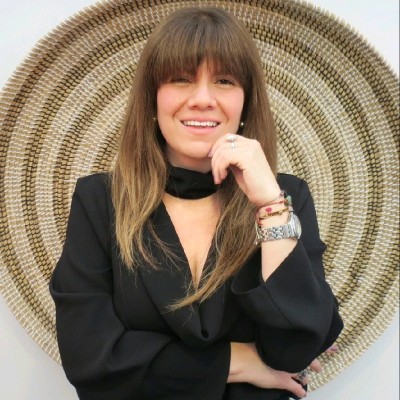
Catalina Moreno Arocha is co-director at Fundación Karisma Credit: Catalina Moreno Arocha / LinkedIn)
In such an economy, Moreno points out, being a polarizing figure makes a creator more attractive to production companies looking to drive reality TV viewership. Scandals effectively function as proof of concept for engagement, rather than a deterrent for advertisers or broadcasters.
Moreno highlights a 2024 decision by Colombia’s Constitutional Court against high-profile influencer Luis Villa, known as Westcol, over misogynistic, anti-LGBTIQ+ and especially anti-trans remarks, which she says offered some hope in the battle to address the influencer accountability gap.
In that instance, the court ordered Villa to publish and disseminate the ruling on his social media and make a post explaining the harmful effects of discriminatory hate speech, as well as to attend a training session on LGBTIQ+ rights. Yet he appears to have not yet fulfilled his obligations, and has so far apparently escaped consequences, despite media reporting that he could face jail time for non-compliance.
“And now, what has happened with the follow-up on the order?” Asks Moreno. “I think that is where we have the problems.”
The Logic of the “Engagement Trap”
According to Diana Jiménez, a senior research officer at think tank ODI Global, social media algorithms create an “engagement trap” by amplifying controversial “ragebait” content that helps maximize time on a platform.
Jiménez says this creates a “snowball effect” where the more controversial and polarizing a post is, the more likely it is to generate the massive engagement required for the algorithm to push it to a wider audience. To sustain this visibility, influencers often deploy what researchers call “affective homosocial currencies.”
[was an embed, replace? heading/img?]
This involves using shock and humor to build a bond with an audience, signaling membership in a subculture that values transgressive behavior over social responsibility. Jiménez points out that humor is frequently used to downplay the likes of misogyny as “just a joke,” which helps normalize it and deflect pushback.
By framing the simulation of a crime as entertainment, influencers can bypass automated moderation systems that struggle with context. That means, when creators mainstream imagery of drugging, they are effectively “endorsing, condoning and normalizing men’s violence against women,” Jiménez wrote in emailed responses prepared alongside Diana Koester, a research associate at ODI Global.
The Normalization of Violence
According to Alejandra Garzón Cortés, a lawyer at women’s rights organization Sisma Mujer, non-consensual drugging “is in itself a violent act” and the “joke” defense embraces a dangerous fiction. She says that if a person is unaware a substance is being added to their drink, they cannot give consent; therefore, depicting the act—even if staged—legitimizes a “logic of domestic violence.”
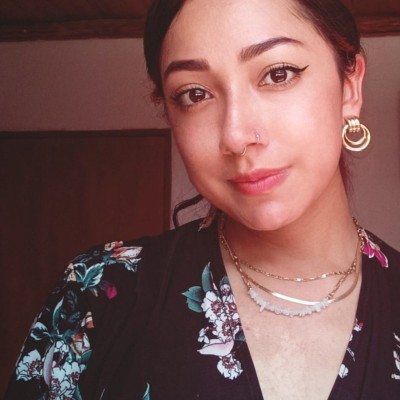
Alejandra Garzón Cortés is a lawyer at Sisma Mujer. Credit: Alejandra Garzón Cortés / LinkedIn)
Yet, the social reaction to the video revealed how deeply such violence has been normalized and romanticized. “A beautiful touch,” reads a comment from an account in the name of Elizabeth Suazo.
Garzón says praising such acts demonstrates a “patriarchal education” that allows evidently violent scenarios to be interpreted as expressions of love. The danger of such normalization, she says, is that real victims often lack the tools to identify or escape toxic dynamics. The absence of media attention beyond the initial coverage of the scandal, meanwhile, “sends a complete message of impunity” to controversial content creators, she says.
It also allows major brands and media outlets to continue to partner with creators of objectively problematic content, with little fear of commercial repercussions. Goméz, Art Legal Managers, and Canal RCN were all contacted for comment but had not replied by time of publication.
A spokesperson for Banijay Entertainment, the production company that licenses the show to RCN, told Bored Panda:
“Banijay Rights is currently investigating the matter related to the third-party production of Big Brother Colombia, licensed to RCN for production and broadcast in Colombia. We continue to evaluate our processes with our partners to ensure alignment with the strict format guidelines, policies and code of conduct set by the wider Banijay Entertainment group, which represent our combined global values and expectations.”
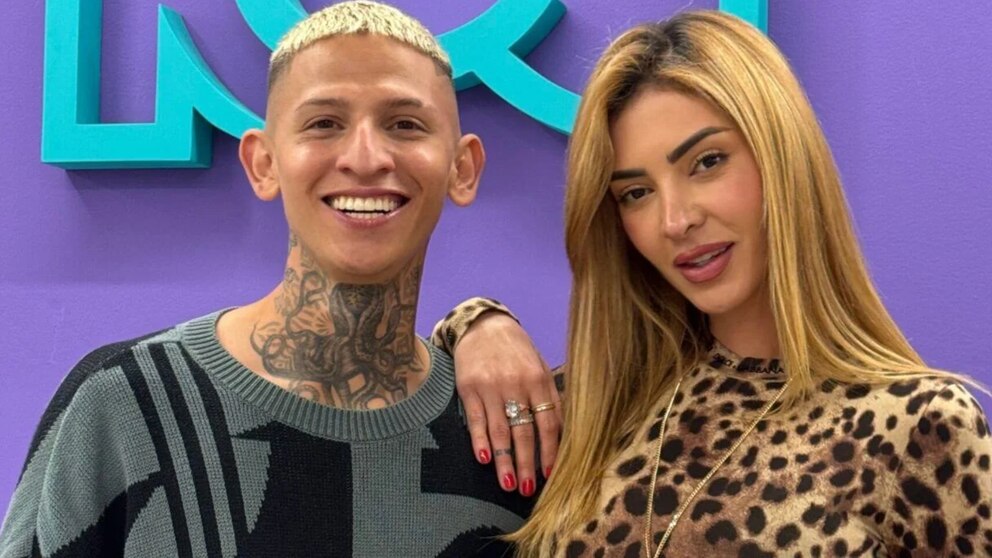
Mauricio Gómez “La Liendra” and Dani Duke (Credit: Canal RCN)
Moreno says the limited public outcry surrounding such controversies essentially acts as a “pressure valve” for a sexist system—people are scandalized, but the “steam” is released without any meaningful structural changes occurring.
For the influencers and the networks that profit from them, the “accountability gap” is therefore not a failure of the system but a feature. “The scandal somewhat ends up sustaining the system,” says Moreno.