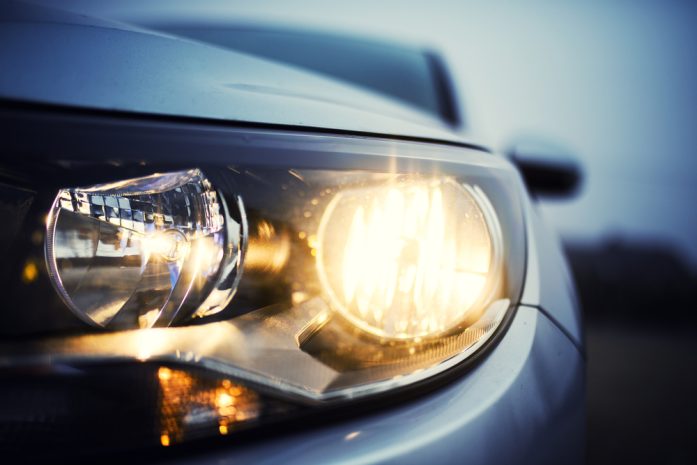
Drivers across America now face a surprising new traffic headache, and it shines straight through the windshield at night. Police departments in several states have ramped up enforcement against drivers who misuse high-beam headlights, especially on crowded highways and suburban roads where blinding glare creates dangerous conditions. Officers once treated improper high-beam use like a minor annoyance, but many departments now view it as a growing safety threat linked to crashes, distracted driving, and road rage incidents. States including Virginia, Pennsylvania, Ohio, and New York have reported increased citations tied to headlight violations during nighttime patrols. That shift has caught many drivers off guard because plenty of motorists still treat high beams like an “always on” feature instead of a situational safety tool.
Modern vehicles made the problem even worse because today’s ultra-bright LED headlights already create intense glare without high beams activated. Add lifted trucks, oversized SUVs, and aftermarket lighting kits into the mix, and nighttime driving suddenly feels like staring into a stadium spotlight. Traffic safety experts say the issue creates real risks because temporary blindness at highway speeds can lead to devastating crashes within seconds. Insurance industry data also shows nighttime fatal crashes remain significantly higher than daytime accidents despite lower traffic volume after dark.
Why Police Officers Started Handing Out More Tickets
Law enforcement agencies did not suddenly wake up and decide to target headlights for fun. Traffic departments across the country received increasing complaints from drivers who struggled with severe glare during nighttime commutes, especially in metro areas packed with newer vehicles equipped with extremely bright lighting systems. Officers also noticed more drivers cruising through busy traffic with high beams activated full time, often because drivers forgot to switch them off or relied too heavily on automatic headlight systems. In some states, distracted drivers using phones at night compounded the danger because bright lights combined with delayed reactions created a nasty recipe for collisions. Police departments responded by adding headlight enforcement to broader nighttime traffic safety campaigns.
Several states also updated driver education materials and public safety messaging over the past two years. Many drivers simply do not realize the law usually requires dimming high beams within 500 feet of oncoming traffic or within 200 to 300 feet when following another vehicle, depending on the state. Officers now actively watch for violations during routine patrols because improper high-beam use often signals other risky driving behaviors. Some departments even paired high-beam enforcement with DUI patrols and aggressive driving initiatives during late-night hours. That means a driver who casually forgets to dim headlights may suddenly find flashing police lights appearing in the rearview mirror.
The Fines Keep Climbing in Several States
The biggest surprise for many drivers involves the size of the penalties. A basic high-beam violation once carried little more than a warning or a tiny fine, but several jurisdictions now attach steeper financial consequences to repeat offenses or dangerous nighttime driving behavior. In some states, drivers can face fines ranging from $100 to more than $300 after fees and court costs enter the picture. Insurance companies may also view repeated lighting violations as risky driving behavior, which can push premiums higher over time. Nobody enjoys paying extra money because of a forgotten headlight switch.
Some states take the issue even further when improper high-beam use contributes to a crash. Courts may factor glare-related negligence into liability decisions, especially if another driver reports temporary blindness before an accident occurred. That scenario turns a simple ticket into a potentially expensive legal mess involving insurance disputes and accident investigations. Drivers with aftermarket lighting modifications face even greater scrutiny because certain ultra-bright kits violate state equipment regulations entirely. Police officers increasingly inspect illegal light bars, improperly aligned LEDs, and unauthorized blue-tinted headlights during traffic stops.
Automatic Headlights Are Creating New Problems
Technology promised to make driving easier, but automatic headlights introduced a strange new wave of confusion. Many drivers assume their vehicles handle everything automatically, yet automatic systems do not always dim high beams properly in bad weather, on curved roads, or in heavy traffic. Drivers often trust the system too much and stop paying attention to surrounding vehicles. That overreliance creates dangerous moments where oncoming drivers absorb several seconds of blinding glare before the system reacts. Even luxury vehicles with advanced sensors occasionally fail in fog, rain, or construction zones.
Car experts also point out another growing issue involving daytime running lights. Some drivers mistakenly believe their full headlights activate automatically at night because dashboard lights illuminate, but only partial lighting systems may operate. That mistake leaves rear lights dark while front LEDs shine brightly enough to fool the driver into thinking everything works normally. Police departments increasingly cite drivers for improper lighting combinations during nighttime enforcement campaigns. Modern vehicles packed with automation still require active attention from the person behind the wheel, and many drivers learned that lesson the hard way during recent crackdowns.
Drivers Feel Frustrated by Extra-Bright LEDs
A major reason this issue exploded involves the growing frustration surrounding modern LED headlights. Drivers constantly complain online about vehicles that appear to use high beams even when standard headlights operate normally. Taller trucks and SUVs worsen the problem because their headlights hit smaller cars directly at eye level. That means even law-abiding drivers sometimes trigger angry flashes from oncoming traffic despite following the rules correctly. The confusion creates tension between drivers and makes nighttime travel far more stressful than it used to feel.
Safety advocates continue pushing for clearer federal lighting standards because current regulations struggle to keep pace with rapidly evolving vehicle technology. Some lawmakers want stricter brightness limits or better headlight alignment requirements during vehicle inspections. Others argue drivers simply need better education about proper high-beam etiquette and nighttime safety habits. Meanwhile, police departments continue focusing enforcement efforts on the most obvious offenders, especially drivers who blast high beams through crowded traffic corridors. Until manufacturers, regulators, and drivers find better solutions, nighttime glare battles will probably keep heating up across American roads.
Night Driving Now Demands More Attention Than Ever
Nighttime driving used to feel simple: flip on the headlights and head home. Now drivers must pay closer attention to beam settings, vehicle technology, state laws, and how their lights affect everyone else on the road. A quick mistake with high beams can trigger a hefty ticket, a dangerous near miss, or an expensive insurance headache. Smart drivers now double-check automatic settings, dim lights earlier, and avoid aftermarket modifications that could attract police attention. Small adjustments behind the wheel can prevent major problems later.
What do you think about the growing crackdown on high-beam headlights: necessary safety move or another annoying traffic ticket trap? Share your thoughts and driving experiences in the comments.
You May Also Like…
7 Wild Facts About Electric Cars That’ll Shock You
8 Cities Across The U.S. That Are Declining Fast
Why Do People Assume Luxury Cars Always Mean Wealth
6 Outrageous Costs Tied to Owning Luxury Cars
7 Hidden Costs of Owning “Cheap” Cars
The post New Road Rules: States Crack Down on High-Beam Headlights — Tickets Are Skyrocketing appeared first on Clever Dude Personal Finance & Money.