Four out of five U.S. adults living with high blood pressure don’t have their condition under control, researchers said Tuesday, signaling possibly deadly repercussions.
Some 120 million Americans are affected by the chronic condition, which can raise people’s risk of kidney disease, heart failure, dementia or a deadly heart attack or stroke.
Controlling high blood pressure – also known as hypertension – is crucial to lower these risks and improve overall quality of life.
People can do that through maintaining a healthy diet and exercising regularly, as well as taking medication that helps to keep their hearts from being overworked.
But the researchers also found that more than 61 percent of Americans with uncontrolled blood pressure aren’t taking medication.
"Clearly, the vast majority of patients really need to have optimization of their blood pressure, and there's a big gap in blood pressure management that is not being addressed,” Dr. Benjamin Hirsh, director of preventive cardiology at New York's Sandra Atlas Bass Heart Hospital, told HealthDay News, reacting to the findings.
“This can portend negative adverse health effects for these patients who are undertreated.”
Hirsh was not involved in the study.
The research included federal health survey data from more than 3,200 Americans with high blood pressure that was collected between 2021 and 2023.
Millions of Americans don’t know that their blood pressure is too high and are not receiving treatment to control it, according to the Department of Health and Human Services.
There are more than 664,000 deaths from high blood pressure each year.
Often, high blood pressure comes with no noticeable symptoms: a fact many Americans are unaware of. Some that you might notice are dizziness, chest pain, headaches and shortness of breath.
So, how do you know if you have high blood pressure and what can you do about it?
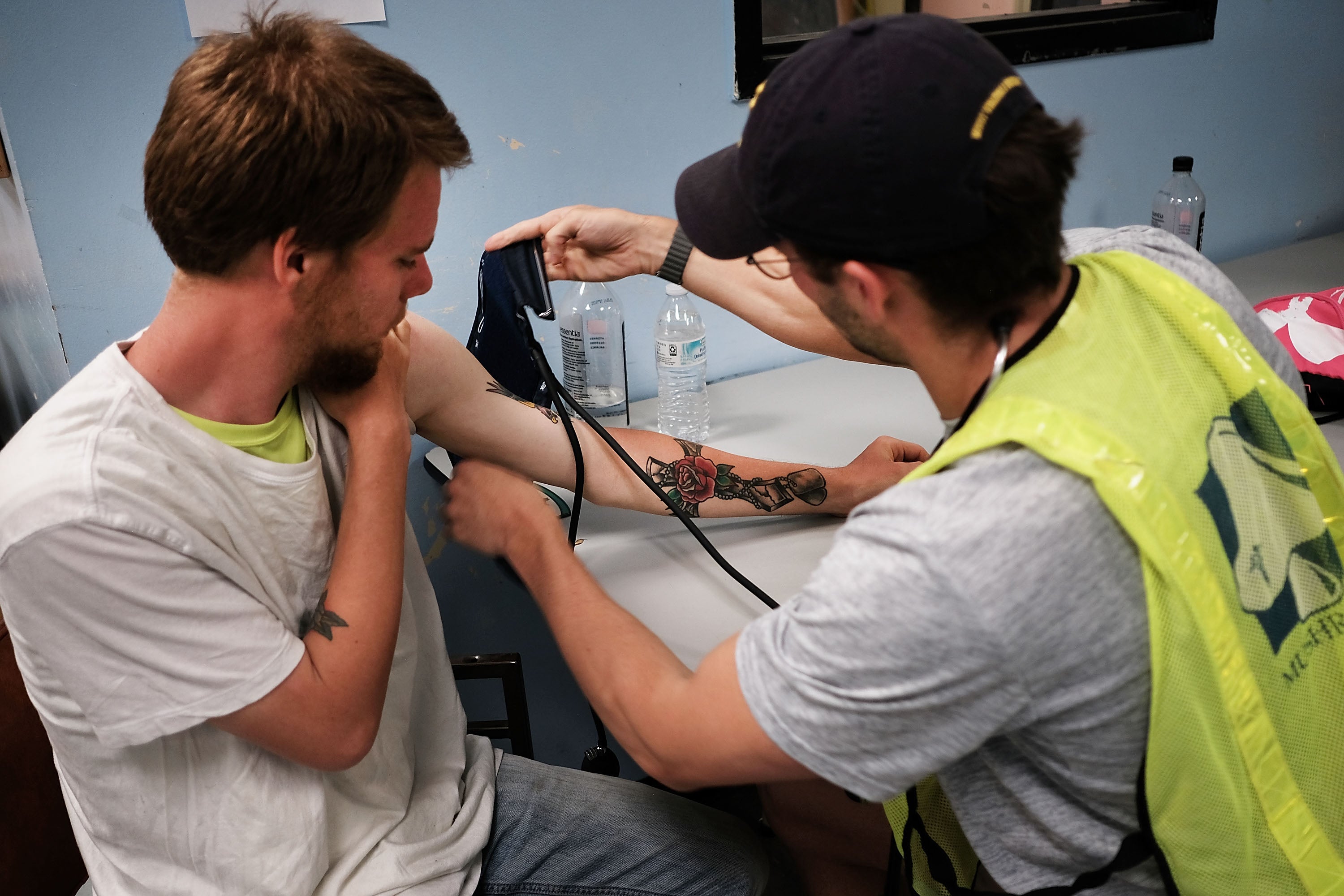
First, have your blood pressure taken by a medical professional.
What your reading shows is determined by two measurements: a systolic number and a diastolic number read in millimeters of mercury, or mmHg.
Systolic blood pressure measures the force in your arteries as your heart beats, while diastolic blood pressure measures blood pressure during the pause between the heartbeats.
Readings that are less than 120 systolic and less than 80 diastolic are considered to be normal for both men and women, according to the American Heart Association. But, anything above 130 systolic and 80 diastolic is considered to be high blood pressure.
To control your blood pressure, there are multiple steps medical experts advise you to take.
Reducing your consumption of processed or salty foods, limiting alcohol consumption, quitting smoking and maintaining a healthy weight may all help improve blood pressure, the association says.
So can managing stress through practicing breathing or meditating.
Some factors you can’t control?
Your risk for high blood pressure increases as you age. It also tends to run in families, according to the Mayo Clinic.
High blood pressure is more severe among African Americans, as well.
And readings are different for men and women.
Women’s blood pressure patterns can rise at a faster rate than men, cardiologists found in 2020, and they also have a lower range of “normal” blood pressure than men do, doctors at Cedars-Sinai said in 2021.
“Our latest findings suggest that this one-size-fits-all approach to considering blood pressure may be detrimental to a woman’s health,” Dr. Susan Cheng, an associate professor at the Smidt Heart Institute, explained then.
“We are now pushed to rethink what we thought was a normal blood pressure that might keep a woman or a man safe from developing heart disease or stroke,” added Cheng,
Wargame simulates how Russia could take Nato country ‘within days’
Mark Carney urged to drop US fighter jet contract despite Trump threats
Mediterranean diet could reduce risk of stroke by 25%, study finds
New weight loss drug by Pfizer shows promising results in trial
Children in South Carolina are developing rare brain swelling after measles outbreak
Dozens of children suffer toxin poisoning symptoms following baby formula recall