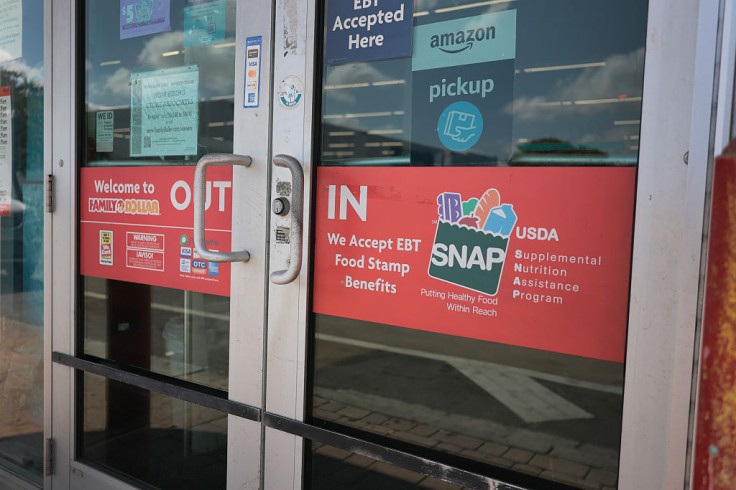
More than 1.5 million children across the United States have lost access to food assistance through the Supplemental Nutrition Assistance Program (SNAP) since July 2025, according to a new analysis by the nonpartisan Center on Budget and Policy Priorities (CBPP).
The report found that more than 4 million Americans overall have fallen off the nation's largest anti-hunger program, with some of the steepest declines occurring in Arizona, Texas, Florida, Georgia and Louisiana.
The analysis examined monthly SNAP enrollment data from states across the country. Researchers said the decline follows the end of pandemic-era protections and reflects a combination of stricter eligibility reviews, administrative barriers and changes in household circumstances.
SNAP, formerly known as the Food Stamp Program, provides monthly benefits that help low-income households purchase groceries. The federally funded program serves more than 40 million Americans and is considered the country's primary defense against hunger.
Arizona experienced the nation's sharpest decline in SNAP participation, with enrollment dropping by nearly half over the past year, said the report. Louisiana, Georgia, Florida and Oklahoma also posted significant decreases, while Texas recorded one of the largest overall losses because of its large population of SNAP recipients.
Florida also ranked among the states with the largest reductions in enrollment, while California and New York saw some of the greatest declines in the total number of participants due to their sizable caseloads.
Researchers estimate that children account for more than one-third of the 4 million people who have lost SNAP benefits nationwide, raising concerns about increasing food insecurity among families already struggling with higher grocery costs.
Although inflation has moderated from its post-pandemic peak, food prices remain significantly higher than they were just a few years ago, leaving many low-income households with less purchasing power. Anti-hunger advocates warn that losing SNAP benefits could force families to rely more heavily on food banks, school meal programs and charitable organizations.
The CBPP report attributes much of the decline to states resuming regular eligibility reviews after temporary pandemic policies that allowed recipients to remain enrolled more easily. While many households lost benefits because their income increased or they no longer qualified, advocates argue that others were removed because they missed paperwork deadlines, failed to complete recertification requirements or encountered administrative obstacles during the renewal process.
The findings have also raised concerns among organizations that serve Latino communities. UnidosUS estimates that Arizona, Texas, Florida, California and New York have experienced the largest losses among Latino SNAP recipients, reflecting both their large Hispanic populations and the magnitude of enrollment declines.