


Feeding your pet is not just about what you offer but also when you offer it. Many pet owners develop habits like giving late-night snacks or feeding meals right before bedtime without realizing the potential impact. While it may seem harmless or even comforting late-night feeding can influence your pet’s digestion, metabolism, sleep cycle, and overall health. Understanding how meal timing affects your pet can help you build a healthier routine.
Understanding Your Pet’s Natural Feeding Rhythm
Dogs and Routine-Based Eating
Dogs thrive on routine. Their digestive systems adapt to consistent feeding schedules, which help regulate metabolism and energy levels. Feeding them at irregular hours, especially late at night, can disrupt this balance.
Cats and Natural Hunting Cycles
Cats are naturally crepuscular hunters, meaning they are most active during dawn and dusk. In the wild, they eat small meals after hunting. Feeding them late at night may align somewhat with their instincts, but overfeeding or irregular timing can still cause issues.
What Happens During Late-Night Feeding?
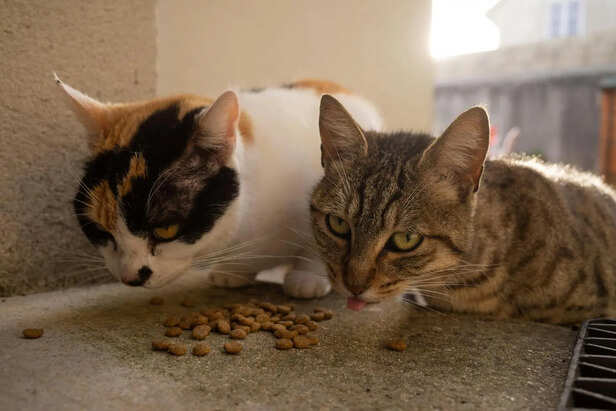
Feeding pets late at night can affect how their body processes food. During nighttime, metabolism slows down, and physical activity decreases. This means calories consumed late may not be burned efficiently, potentially leading to weight gain. Additionally, digestion may become slower, which can cause discomfort or restlessness during sleep.
Potential Risks of Late-Night Feeding
Digestive Issues
Feeding right before bedtime can lead to bloating, gas, or indigestion, especially in dogs. Lying down soon after eating may make digestion less efficient.
Weight Gain and Obesity
Late-night meals often contribute to excess calorie intake. Over time, this can lead to unhealthy weight gain, particularly in less active pets.
Disrupted Sleep Patterns
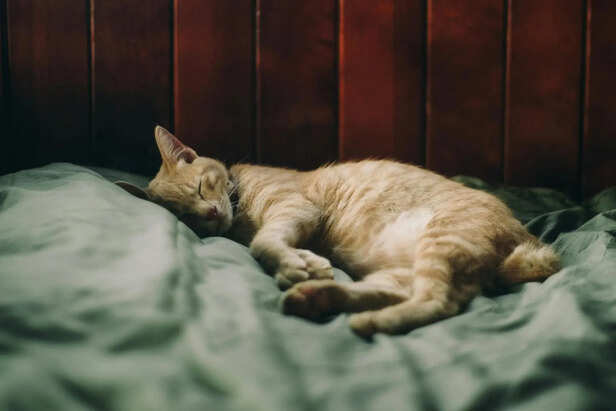
Pets that eat late may experience restlessness or increased energy when they should be winding down, affecting both their sleep and yours.
Behavioral Dependence
If pets get used to late-night feeding, they may start demanding food at odd hours, leading to unwanted habits like whining or waking owners at night.
Are There Any Benefits?
In some cases, late-night feeding may have minor benefits. For example, small, controlled portions can help pets that experience hunger-related anxiety or acid reflux. For highly active pets or those with specific medical needs, an additional late snack might be recommended—but only under veterinary guidance.
Veterinary Insights on Meal Timing
Veterinarians generally recommend maintaining a consistent feeding schedule, typically dividing meals into two or more portions throughout the day. While occasional late-night feeding is unlikely to cause harm, making it a daily habit without proper portion control can negatively affect your pet’s health over time.
Ideal Feeding Schedule for Pets
For Dogs
Most adult dogs benefit from two meals a day—morning and early evening. This allows enough time for digestion before sleep.
For Cats
Cats may benefit from smaller, more frequent meals spaced throughout the day, with a light meal in the evening if needed.
Consistency is key. Feeding at the same times daily helps regulate digestion and prevents unnecessary hunger or overeating.
Tips for Managing Late-Night Feeding Habits
- Avoid feeding large meals right before bedtime
- Stick to a fixed feeding schedule
- Offer healthy, low-calorie snacks if needed
- Ensure your pet gets enough activity during the day
- Gradually adjust feeding times if your pet is used to late meals
Celebrate the bond with your pets, explore Health & Nutrition, discover Breeds, master Training Tips, Behavior Decoder, and set out on exciting Travel Tails with Times Pets!
Frequently asked questions (FAQs)
-
Is it bad to feed pets late at night?
Feeding pets occasionally at night is not harmful, but making it a habit can lead to digestive issues and weight gain if not managed properly.
-
What is the best time to feed dogs?
Dogs are best fed twice a day once in the morning and once in the early evening to allow proper digestion before bedtime.
-
Can cats eat at night?
Cats can eat small meals at night due to their natural activity patterns, but portion control is important to prevent overeating.
-
Does late-night feeding cause obesity in pets?
Yes, frequent late-night feeding can contribute to obesity because pets are less active at night and burn fewer calories