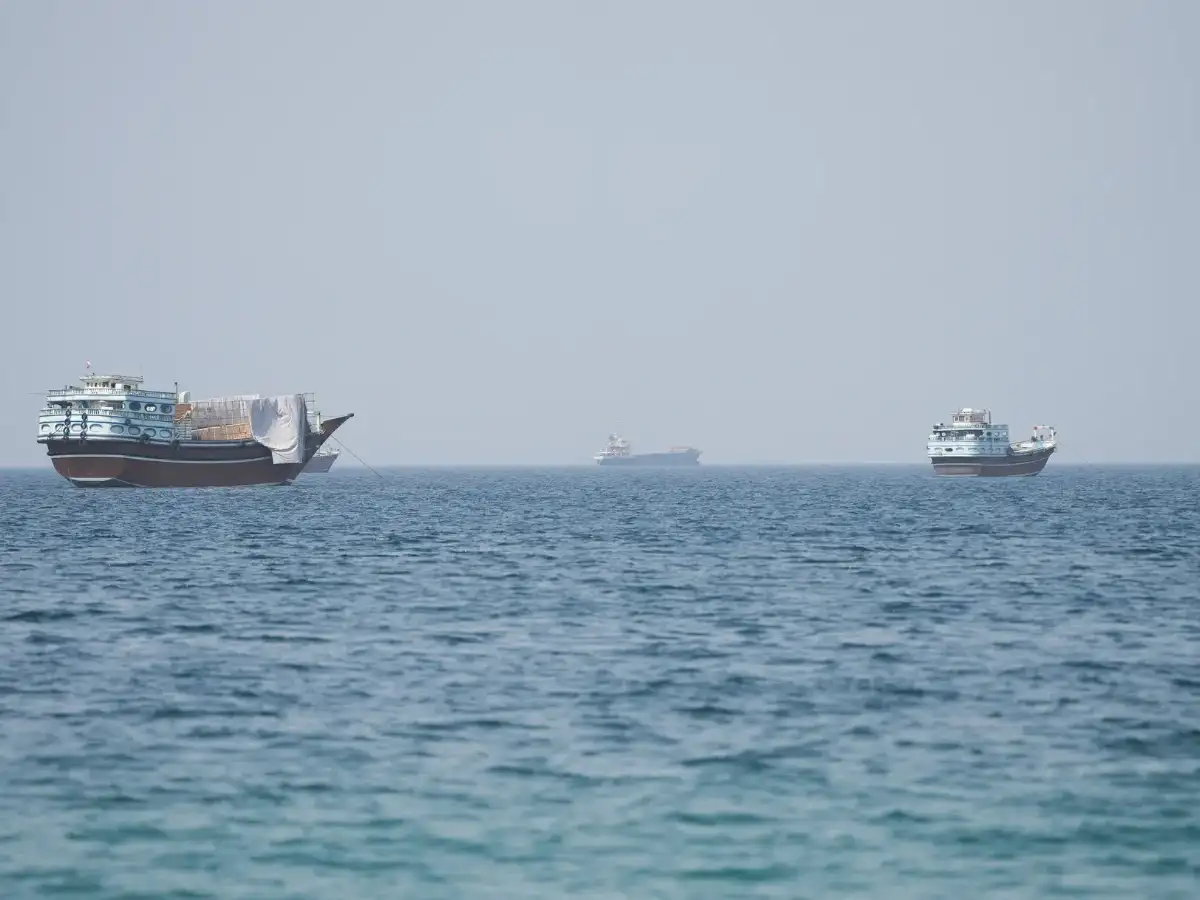
An Iranian parliamentary committee is considering a draft law that would restrict US, Israeli and other vessels deemed “hostile” from transiting the Strait of Hormuz, with violators potentially facing fines of up to 20% of their cargo value, Reuters reported, citing Iran’s semi-official Fars news agency.
The preliminary bill is still being reviewed by parliamentary experts, and lawmakers have invited specialists to submit recommendations before the legislation is finalised, a lawmaker said, according to the Fars report.
The proposal comes as Iran and Oman work on arrangements to manage shipping through the strategic waterway amid the five-month-old war between Iran and the United States. Iran has said there has been significant progress in its talks with Oman, while a proposed arrangement could give Tehran a role in controlling ships entering the Gulf through the strait. However, key details remain unresolved, including the scope of Iran’s control and any fees on vessels.
The diplomatic push comes alongside efforts to bring an end to the conflict. US President Donald Trump has said negotiations with Iran are progressing and that a deal to reopen the Strait of Hormuz could be reached soon.
Iran, however, has said it has not held talks directly with Washington in recent days, while Tehran has linked the reopening of the strait to a US commitment to halt military operations.
The uncertainty over the waterway has also pushed oil prices higher. Brent crude futures rose 99 cents, or 1.2%, to $83.48 a barrel by 0010 GMT on Friday, while US West Texas Intermediate futures gained 85 cents, or 1.1%, to $78.84. Oil futures had settled more than $3 a barrel higher on Thursday as concerns over the reopening of the Strait of Hormuz intensified, as per Reuters.
The strait normally carries roughly a fifth of the world's oil and liquefied natural gas shipments, making any prolonged disruption a major risk for global energy supplies.
(With inputs from Agencies)