Every major military power has, at some point, had to find out in real time whether decades of doctrine and equipment actually hold up in combat. The United States tested precision strike and networked battlefield systems in Iraq and Afghanistan.
China has used exercises around Taiwan and in the South China Sea to stress-test its navy, air force and missile systems. For India, the last such test before 2025 was Kargil in 1999. Operation Sindoor, the four-day military confrontation with Pakistan in May 2025, became the next one.
Also read: Made in India, deployed abroad: The expanding map of India's arms exports
More than a year on, government data and official statements sketch out what has changed since. Defence experts who spoke to ET Online offered their own reading of what worked, what didn't, and what still needs fixing.
The government's account
India's account of the operation has stayed consistent since day one. On May 7, 2025, the government said the Armed Forces had struck terrorist infrastructure at nine sites in Pakistan and Pakistan-occupied Kashmir. The action was focused, measured and non-escalatory, it said, with no Pakistani military facility targeted.
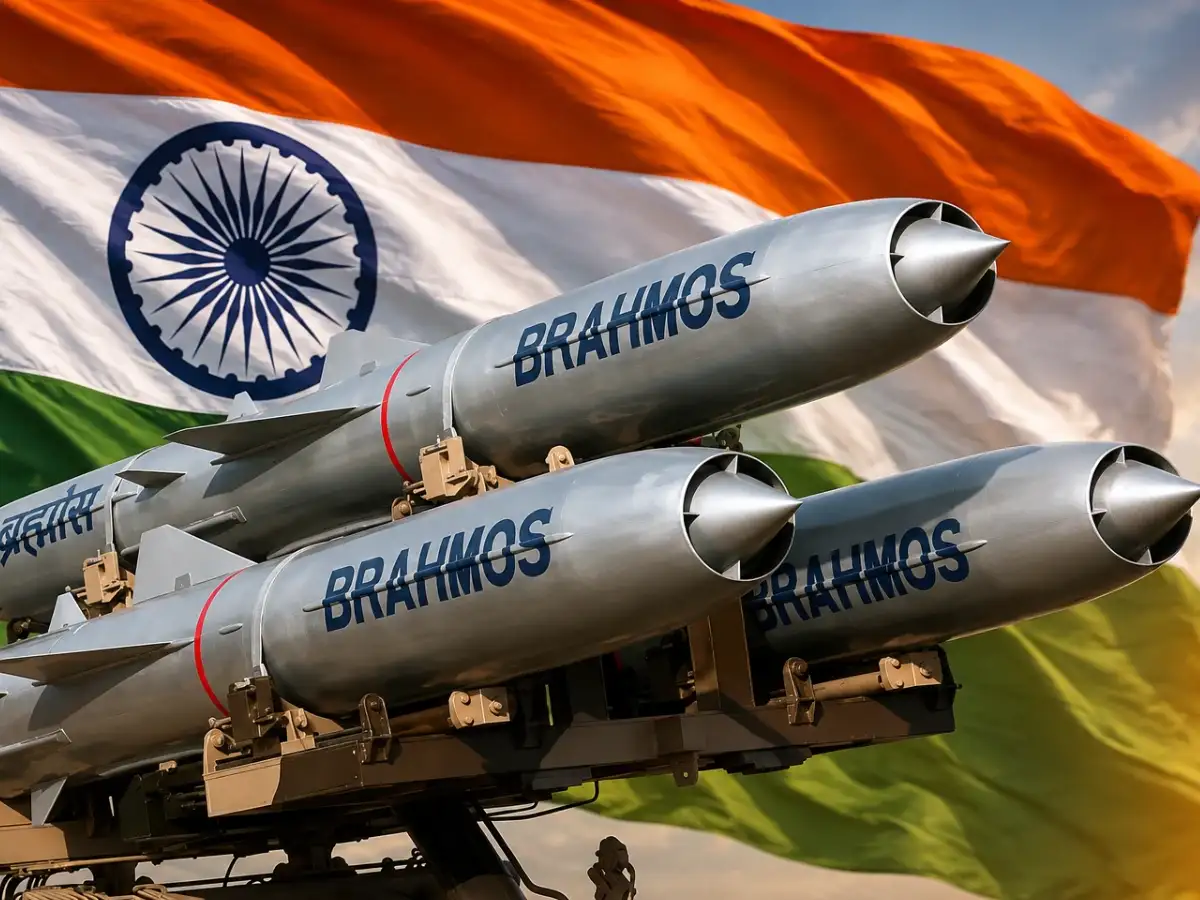
That framing mattered as Islamabad pushed a different version of events. Pakistan claimed India's S-400 and BrahMos installations had been destroyed. Wing Commander Vyomika Singh appeared at a special briefing on May 10 to confirm both remained intact, laying out instead the damage India's strikes had done to Pakistani airbases at Skardu, Sargodha, Jacobabad and Bholari.
Lt Gen Rajiv Ghai, India's Director General of Military Operations, followed up two days later with the operational picture. He briefed reporters on how the country's mix of legacy and modern air defence, counter-drone systems and electronic warfare assets had performed.
An ORF Special Report from June 2025, edited by Harsh V Pant, Vice President at the Observer Research Foundation, and Sameer Patil, Director of its Centre for Security, Strategy and Technology, calls Sindoor India's deepest military campaign since 1971, noting that the strikes hit targets untouched for decades, the Lashkar-e-Taiba headquarters in Muridke, Jaish-e-Mohammad's base in Bahawalpur, Hizbul Mujahideen's in Muzaffarabad.
India has kept up pressure since through non-military means too, chiefly the Indus Waters Treaty suspension and a push to get Pakistan back on the Financial Action Task Force (FATF) grey list.
A separate Electronic Journal of Social and Strategic Studies (EJSSS) paper notes India sent all-party delegations of 59 MPs to 32 countries and the EU headquarters in the weeks after, to make its case directly.
Pakistan's retaliation had been expected from across the border, since India's own strikes had stayed clear of the Line of Control.
The tech push
If the briefings explained what had happened, the months after were about building for what comes next. The clearest signal came in August 2025, when Prime Minister Narendra Modi used his Independence Day address to announce Mission Sudarshan Chakra, a home-built system he said would not just stop incoming attacks but "hit back at the enemy many times more," expanding to cover strategic and civilian sites nationwide by 2035.