In 2004, Joe Green was living close enough to Mark Zuckerberg at Harvard to witness the chaotic early period that produced Facebook, yet when Zuckerberg asked him to leave university and help build the fledgling social network, Green made the decision that would follow him through almost every retelling of the company’s origin story: he said no. It was not because Green thought the idea was worthless or because he had fallen out with Zuckerberg, but because an earlier online experiment had already brought the two students dangerously close to serious disciplinary trouble, and Green’s father wanted his son nowhere near another project that might end with him being expelled from Harvard.
Get breaking news anytime, anywhere. Download the TOI app now!
According to ABC News' original 2012 report on Joe Green , Green was one of Zuckerberg’s Harvard roommates and had been involved in Facemash, the controversial student-rating website created before Facebook. Harvard had threatened disciplinary action following the project, and Green told ABC that his father, a professor, was deeply unhappy about the possibility of him being thrown out of school. When Zuckerberg later asked Green to drop out and join the team building Facebook, that recent experience weighed heavily on the decision, and Green stayed at Harvard while Zuckerberg and others headed west.

A decision once estimated to have cost $400 million
The scale of the missed opportunity only became obvious years later, as Facebook moved from a Harvard student network into one of the world’s most valuable technology businesses. According to the Sydney Morning Herald's 2012 report on Green's decision , Green had been asked to drop out and help Zuckerberg build the company but chose to complete university instead, with contemporary reports estimating that the decision may have cost him about $400 million by the time Facebook was preparing to go public.
The precise value of the hypothetical stake is impossible to calculate with certainty because an early shareholder’s ownership could have changed through fundraising rounds, dilution, stock sales and other corporate events, so claims that Green definitively rejected a fixed multibillion-dollar fortune should be treated cautiously. What is documented is that Facebook’s value grew on an extraordinary scale. According to Facebook’s 2012 registration filing with the US Securities and Exchange Commission, the company formally filed for an initial public offering in February 2012 and went public in May 2012, marking the point at which the dorm-room startup entered public-market territory. Its later 2012 annual filing records an IPO price of $38 per share and the sale of 180 million Class A shares by the company.
Viewed against the enormous value subsequently created by the business now known as Meta, even a meaningful early equity position, had it survived years of dilution and remained unsold, could theoretically be worth billions today. But that is a counterfactual calculation rather than a documented fortune sitting untouched in Green’s name.
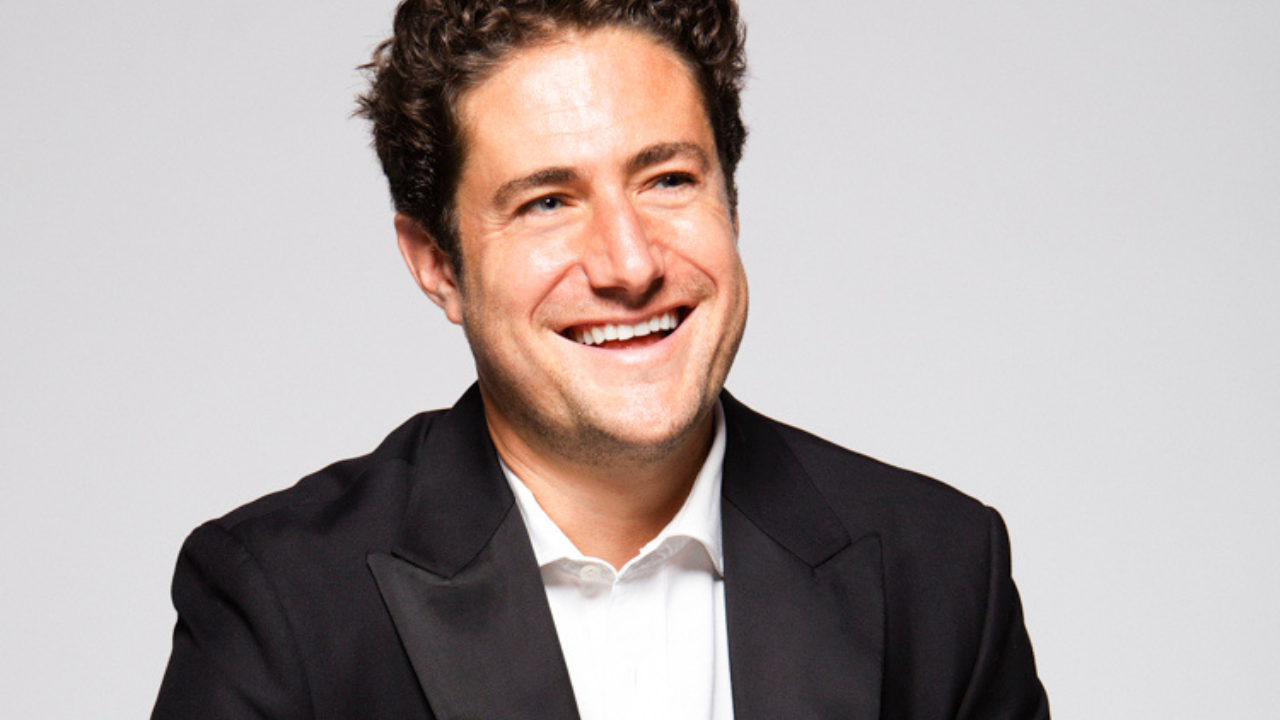
Joe Green chose politics instead of Silicon Valley
Green did not spend 2004 waiting to see whether Zuckerberg’s project would succeed. According to ABC News, he pursued his interest in politics and worked on John Kerry’s presidential campaign rather than following Zuckerberg’s group to Silicon Valley. He later returned to the social-technology world through Causes, a platform designed to help people organize around charities, political candidates, and social issues, and told ABC in 2012 that the venture had helped raise $50 million for 50,000 charities.
Perhaps the most surprising part of the story is that Green publicly expressed no regret. He remained close to Zuckerberg and even joked about his father’s role in the decision. The famous “no” was not a dramatic rejection of Facebook’s potential; it was a cautious choice made by a Harvard student who had recently faced the possibility of expulsion and listened to a worried parent. Only in hindsight did it become one of Silicon Valley’s most expensive what-ifs.